

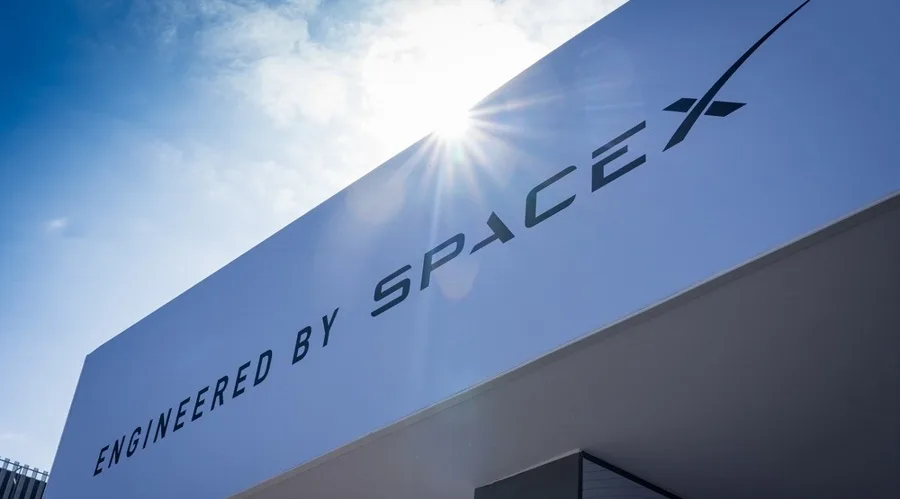
SpaceX's forthcoming initial public offering (IPO) is set to be the largest in history, with the company raising about $75 billion at a valuation close to $1.8 trillion. Unlike typical blockbuster IPOs, SpaceX has reserved roughly 30% of its shares for retail investors—about three times the usual allocation—opening the door for individuals outside institutional circles to participate. This decision has triggered intense competition among brokers and crypto platforms to deliver access to these coveted shares.
While the IPO officially starts trading on Nasdaq on June 12, multiple channels have emerged offering different ways to engage with SpaceX’s equity. Traditional U.S. brokerages like Robinhood, Fidelity, Charles Schwab, SoFi, and Morgan Stanley’s E*Trade are distributing actual shares at the set IPO price of $135 per share, targeting American retail clients. Meanwhile, crypto exchanges such as Kraken and Bybit are leveraging tokenization frameworks to provide digital versions of these shares, allowing users outside the U.S. to participate similarly.

Beyond these direct allocations, a distinct market exists for synthetic instruments offering exposure to SpaceX’s price movements without holding any real shares. Binance, for example, launched an SPCXUSDT perpetual contract, providing continuous derivative-like betting options. Other platforms—including CMC Markets, OKX, Gate, BingX, and Hyperliquid—have rolled out comparable contracts and contracts for difference (CFDs), effectively creating a speculative marketplace detached from actual equity ownership.
Additionally, private secondary markets and special purpose vehicles (SPVs) present a third avenue for investors, mainly accredited ones, to access SpaceX shares before the public debut. Platforms like Forge and Hiive have listed shares at significantly higher prices than the IPO, with Hiive’s offering reaching near $832 per unit as of April. These avenues speak to the premium assigned to early access but cater to a narrower investor base.
This scramble across traditional finance and crypto sectors reveals a market grappling with different interpretations of "IPO access." Real share allocations are granted through controlled subscription windows where underwriting syndicates determine who receives shares. Tokenized products aim to democratize entry by bridging geographical and platform barriers, settling allocations upon the stock’s public launch. Synthetic products, on the other hand, allow speculative trading ahead of the IPO but carry no claim on underlying shares.
The diversity of products highlights an emerging tension between genuine ownership and derivative speculation. For retail investors, understanding these distinctions is vital before committing funds, as the rights and risks vary sharply depending on the instrument. As SpaceX prepares for its Nasdaq debut, these competing access models might set a precedent for how tech giants manage IPO participation in a rapidly evolving financial landscape.