

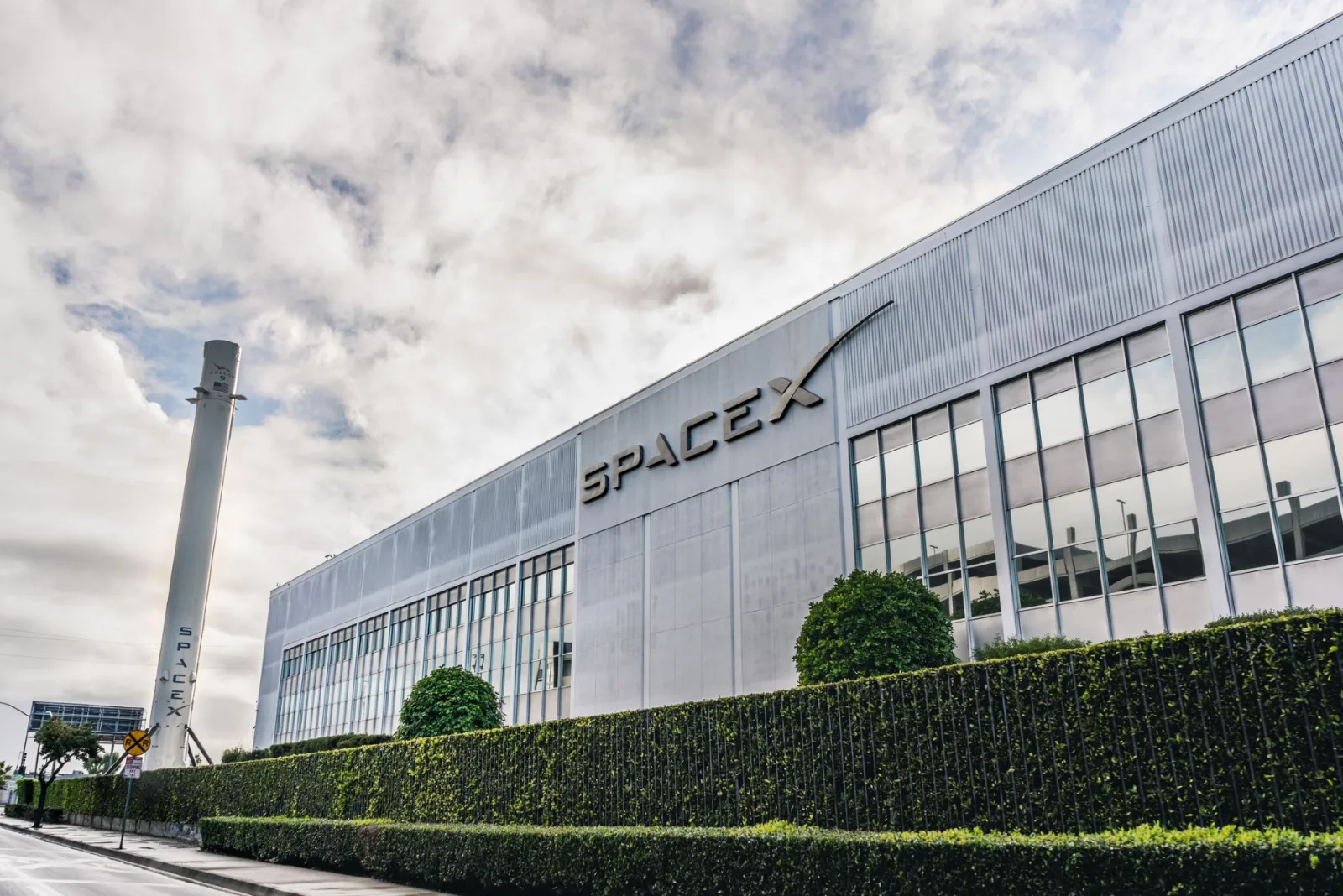
SpaceX’s rumored initial public offering (IPO) at a staggering $1.75 trillion valuation would position it among the most valuable companies worldwide from day one. Yet, this ambitious figure challenges financial logic given the company's current earnings and losses. Recent filings reveal SpaceX generated $18.7 billion in revenue last year while posting a $4.9 billion loss, underscoring the difficulty in justifying such extreme market expectations.
For investors to receive returns aligned with this valuation, SpaceX would need to nearly eclipse all historical corporate revenue benchmarks. Estimates indicate the company would have to reach annual sales exceeding $1.1 trillion, a figure roughly 60 times its projected 2025 revenue. By comparison, Amazon—the current record-holder—brought in $742 billion over its latest fiscal year. Achieving this would require SpaceX to grow revenue at approximately 50% annually for a decade, a pace unparalleled in modern capitalism.

Complicating this forecast, SpaceX's integration of Elon Musk’s artificial intelligence venture xAI and the social platform X introduces additional debt and operational uncertainty. Analysts warn that merging these loss-making entities with SpaceX may inflate the company’s narrative appeal without stabilizing its financial foundation. When speculative hype overshadows fundamental business strength, the risk shifts disproportionately to later investors, potentially leaving everyday shareholders vulnerable should growth falter.
Prospective investors should focus on core elements such as profitability, debt levels, and the feasibility of the projected growth rate. The success of the IPO’s valuation heavily depends on consistent execution over many years and the realization of actual market demand. Strategies such as diversifying retirement portfolios can mitigate risks associated with investing in headline-grabbing, high-hype offerings like SpaceX’s expected market debut.