

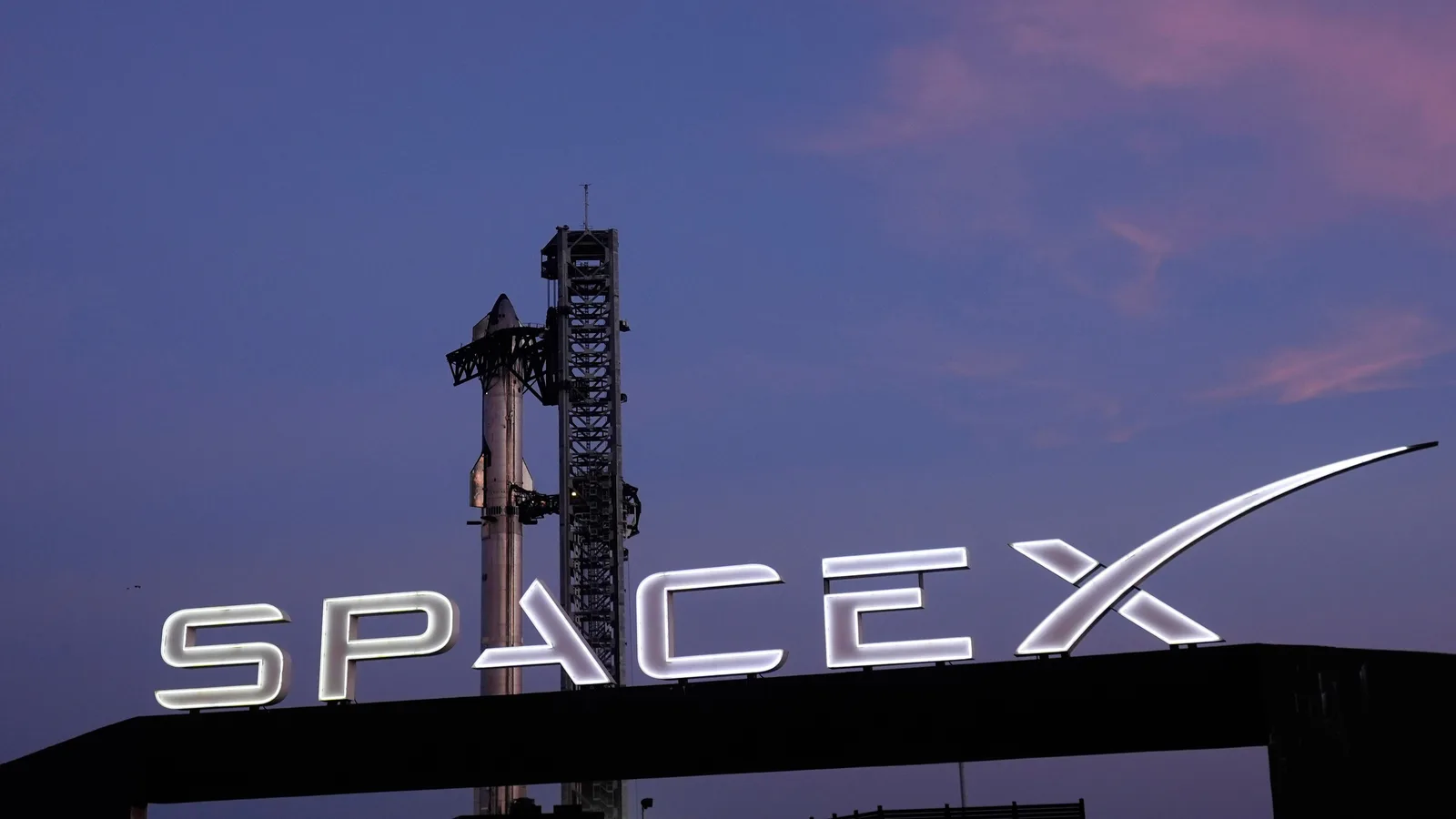
SpaceX will enter public markets with a landmark offering, putting over half a billion shares up for sale at an initial price aimed to generate roughly $75 billion. The debut signals Elon Musk’s move to unlock significant funding needed to realize ambitious projects like deploying 100,000 next-generation Starlink satellites and building AI data centers in orbit. Musk explained the decision to finally take SpaceX public reflects the company’s need for substantial capital to fuel these expansive initiatives. For years, there had been speculation about an IPO, but with the increased scale of future plans, the timing became critical. This public offering could position Musk as the world’s first trillionaire, reflecting both the company’s valuation and his controlling stake. SpaceX’s governance structure allocates majority control of a special class of shares to Musk, ensuring he retains authority over strategic and personnel decisions, including the power over his own role as CEO. The company has repeatedly emphasized Musk’s pivotal role in its success. SpaceX warns that losing its founder and leader would severely disrupt operations and damage key relationships with customers and partners. Analysts have stressed the inseparability of Musk’s presence from SpaceX’s identity and trajectory. Taking SpaceX public carries notable trade-offs. While the IPO opens access to capital markets, it subjects the company to intensified regulatory oversight and shareholder scrutiny. Quarterly financial reporting requirements may pressure management toward short-term results and add compliance costs. Regulators are currently reviewing proposals to ease some reporting burdens on public companies, potentially allowing biannual filings. Beyond its launch plans, SpaceX is positioning itself as a leader in reusable rocket technology, maintaining an edge over competitors like Jeff Bezos’s Blue Origin. The Starlink satellite constellation, a cornerstone of SpaceX’s business model, also competes with emerging players such as AST SpaceMobile, which counts on SpaceX launches for its own satellite deployments. SpaceX’s future includes ambitious milestones, such as developing Starship rockets designed for Mars missions and linking Musk’s compensation to establishing a sizable colony on the red planet. This long-term vision, combined with the move to public markets, marks a transformative moment for the private space industry and Musk’s vision for humanity’s role beyond Earth.
