

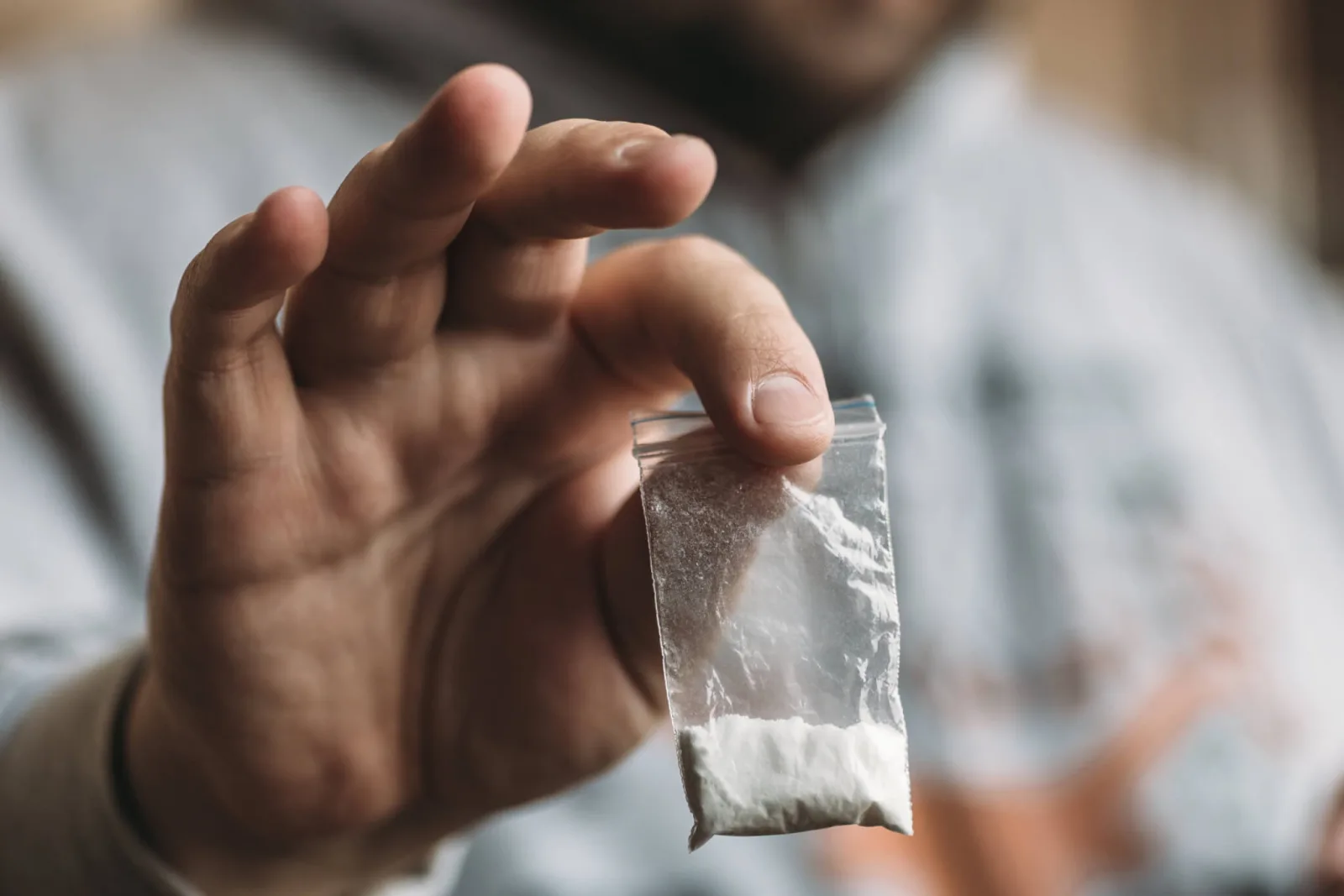
Street fentanyl users in Los Angeles consume opioid amounts far exceeding established medical standards, with daily intake averaging the equivalent of nearly 9,000 milligrams of oral morphine. This overwhelms clinical guidelines, which caution against prescribing more than 90 milligrams of oral morphine per day for chronic pain.
The extraordinary opioid tolerance developed by regular users creates a significant treatment challenge. Methadone, a common addiction medicine, typically begins at 20 to 40 milligrams daily and maxes out around 180 milligrams, delivering roughly 846 milligrams of morphine equivalent. This falls drastically short of the doses many fentanyl users require, potentially explaining why treatment retention remains so difficult in the current fentanyl-driven overdose crisis.

Researchers from UCLA, UC San Diego, and the University of Toronto combined lab analyses with survey data to reveal this gap. They tested over 500 street drug samples through Drug Checking Los Angeles, a program allowing users to anonymously verify drug contents. Findings demonstrated extreme variability in fentanyl purity, with one gram of a street sample containing anywhere from less than one milligram to nearly 650 milligrams of actual fentanyl or related compounds.
The unpredictable potency exposes users to dangerous risks during consumption and complicates medical approaches to dosing addiction treatments. Experts suggest that drug checking initiatives could play a critical role in both reducing overdose incidents and guiding clinicians toward more effective dosing strategies tailored to fentanyl tolerance.
This research underscores a pressing need to rethink opioid treatment protocols amid the shifting landscape of the overdose epidemic, where street fentanyl has transformed risk profiles and clinical demands.