

Five federal agencies jointly proposed rules that would enforce stringent identity verification requirements on certain payment stablecoin issuers. This initiative aims to align these issuers with the customer identification standards currently applied to traditional banks and credit unions under the Bank Secrecy Act.
The proposed regulation emerged from provisions in the Guiding and Establishing National Innovation for U.S. Stablecoins Act (GENIUS Act), which classifies permitted stablecoin issuers as financial institutions. The rule mandates that issuers maintain comprehensive customer identification programs designed to mitigate illicit finance risks and protect national security interests.

The prescribed customer identification programs would require stablecoin issuers to adopt risk-based procedures for identity verification and to maintain records of all collected information. They must implement protocols to screen customers against government lists of terrorists and terrorist organizations, notify customers about identity verification requests, and clarify when they may rely on another federally regulated financial institution’s procedures. This framework seeks to balance effective regulatory oversight with operational feasibility for stablecoin issuers.
Officials from the participating agencies emphasize the importance of this regulation. The National Credit Union Administration (NCUA) chair highlighted that establishing clear standards for customer identification strengthens efforts to prevent money laundering and terrorist financing within the financial system. The joint proposal aims to safeguard both credit unions and their members by imposing robust verification obligations on stablecoin issuers.
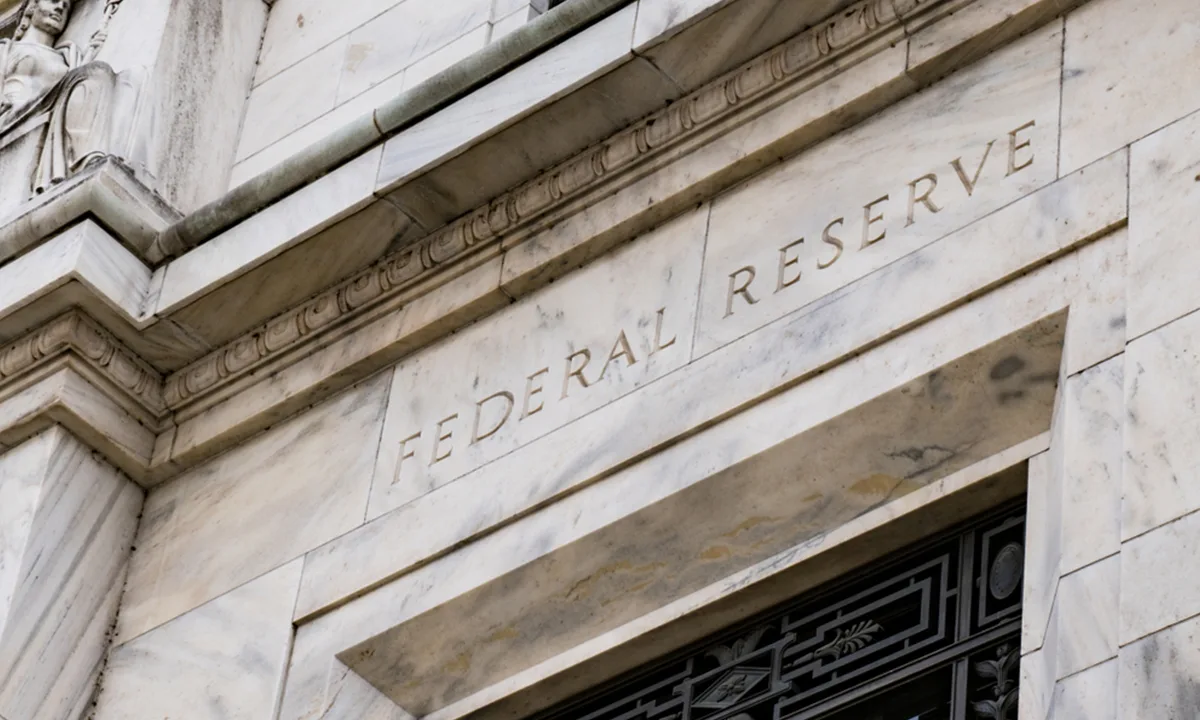
Meanwhile, the Federal Reserve Board has expressed cautious support, recognizing the rule as a positive step but signaling concerns about residual risks associated with secondary market transactions involving stablecoins. One Federal Reserve Governor indicated that public comments will be carefully reviewed to determine if customer identification requirements should extend beyond primary stablecoin issuance into secondary market activities.