

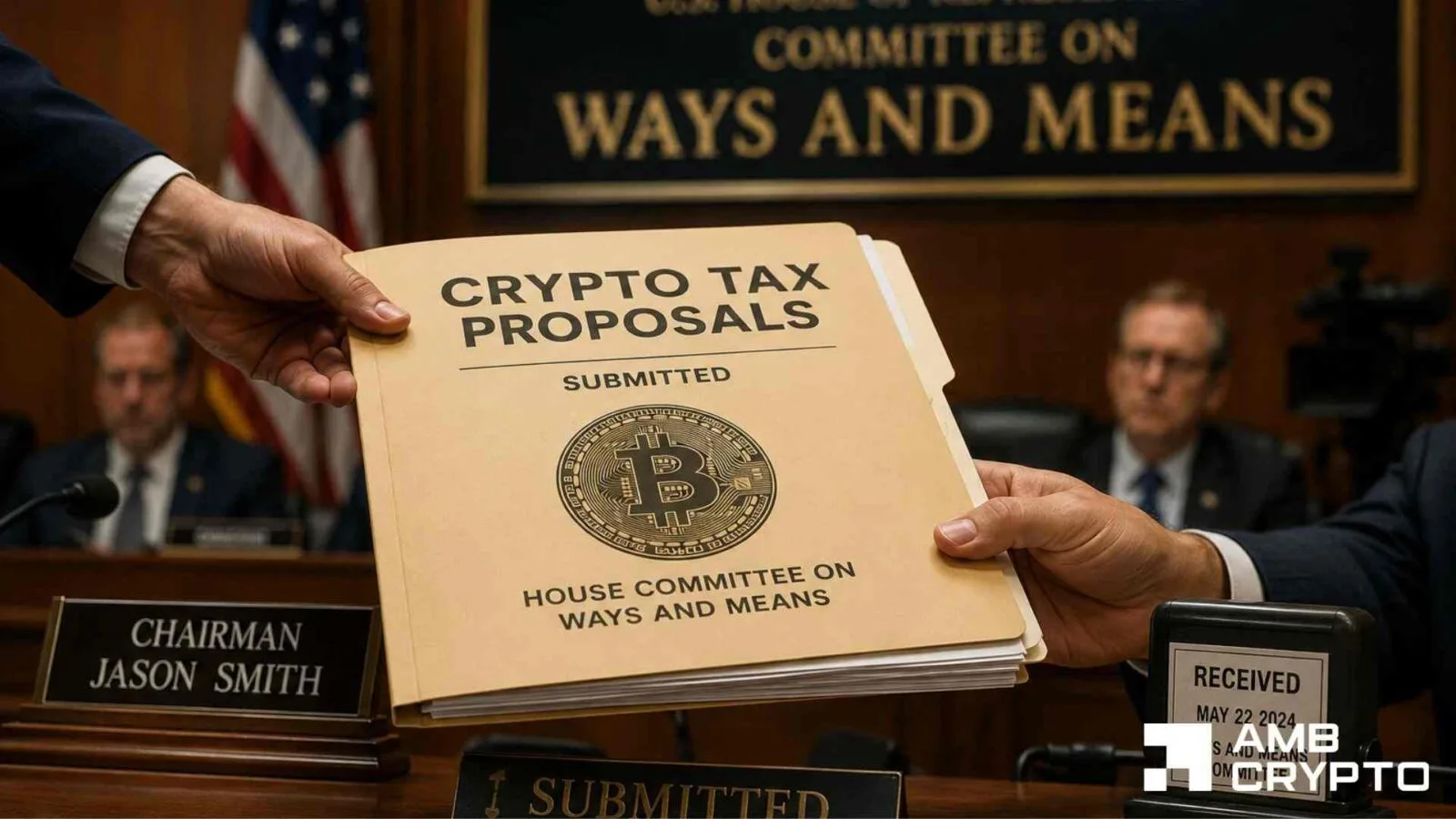
Lawmakers in the House of Representatives are set to scrutinize seven draft bills that could transform the way cryptocurrency is taxed in the United States. The proposals cover a wide array of issues, including stablecoin transactions, crypto lending, wash sales involving charity donations, mining, staking, and a voluntary disclosure program for taxpayers with past crypto reporting errors.
These initiatives intend to address the current tax treatment challenges that investors and crypto miners face. Under the existing rules enforced by the Internal Revenue Service (IRS), cryptocurrencies are taxed as ordinary income at each taxable event—mining, staking, or transfers—then again as capital gains when sold. This dual taxation model has drawn criticism, prompting calls for reform.

The groundwork for these bills builds on earlier work by Senator Cynthia Lummis, who last year proposed measures to eliminate double taxation on Bitcoin miners and staking participants. Although her proposals were not included in last year’s major spending legislation, the conversation around crypto tax clarity has continued, with new bills seeking targeted exemptions and clearer definitions.
Among recent efforts, representatives Max Miller and Steven Horsford introduced a draft bill aiming to exempt stablecoin payments under a certain amount from tax, citing concerns that the current framework discourages the adoption of stablecoins in the U.S. and risks pushing investment offshore to more favorable tax environments.
The forthcoming House Ways and Means Committee hearing will parcel out these tax reform topics to provide more focused legislative review. The proposals aim to streamline compliance and introduce fairer tax treatment, especially for everyday transactions and smaller transfers.
The pressing need for reform is underlined by data from the Kraken exchange, which filed millions of crypto-related tax forms with the IRS, noting that most involved amounts below a minimal threshold. This suggests that implementing de minimis exemptions could significantly reduce taxpayer burdens and IRS administrative costs.
Despite the constrained congressional calendar ahead of the midterm elections, stakeholders view these discussions as critical. Crypto industry advocates, including the Digital Chamber’s CEO, have expressed support for the hearing as a chance to advance bipartisan legislative progress on taxation.
Meanwhile, broader crypto market structure legislation known as the CLARITY Act remains under consideration in the Senate, with recent analysis indicating lowered chances of passage this cycle due to competing priorities and limited updates on key enforcement and ethics provisions.