

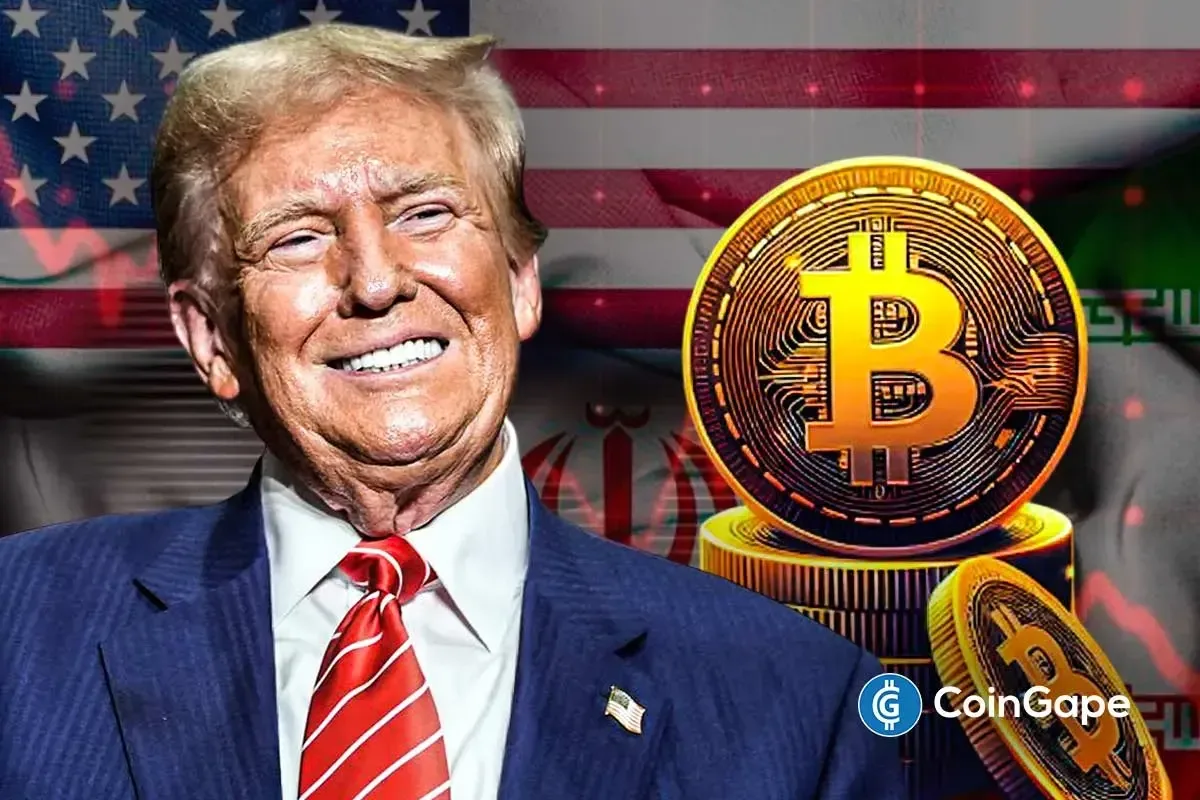
Bitcoin’s price showed significant volatility during a day marked by rising geopolitical tensions between the US and Iran, alongside mixed economic signals from the latest inflation report. Initially, Bitcoin rallied above $61,700 following consumer inflation data that eased concerns over accelerating price rises in the US. This data aligned with analysts' expectations, briefly lifting market sentiment.
However, the rally was short-lived. Bitcoin slipped to around $61,500 as President Donald Trump intensified rhetoric against Iran, warning that Tehran “will have to pay the price” for extended delays in nuclear deal negotiations. Trump described Iran’s military capabilities as severely diminished and hailed the US naval blockade at the Strait of Hormuz as historically effective, asserting tight control over the critical shipping lane.

These statements coincided with reports that the US may increase military presence in the Middle East. Iran responded to recent US strikes—following the downing of an American helicopter—by threatening retaliatory attacks on US bases in Jordan and Kuwait. Video footage of a flash near a US base in Bahrain added to the tense atmosphere, while ongoing Israel-Iran conflicts in Lebanon deepened market unease.
Despite episodic drops driven by escalating conflict fears, Bitcoin’s price rebounded above $61,900 during intraday trading. Market dynamics reveal Bitcoin’s sensitivity to geopolitical developments, especially when paired with economic data that initially supported a bullish case. Crypto investors thus face a complex balance between macroeconomic optimism and geopolitical risk.