

The ongoing turmoil in the Strait of Hormuz, sparked by conflict involving the United States and Iran, has left China better positioned than other Asian nations to withstand the resulting global energy shock. Despite soaring oil and gas prices caused by the near closure of this critical waterway, China’s extensive strategic petroleum reserves and aggressive investment in renewable energy infrastructure have cushioned its economy.
After joint US-Israeli strikes targeted Iranian leadership and military sites, the Strait of Hormuz—through which a large share of the world's oil and liquefied natural gas passes—became effectively closed. This disruption sent energy prices spiking worldwide. According to a report by the geopolitical consulting firm Asia Group, China has managed the aftermath more effectively than regional competitors such as India, Japan, and South Korea, benefiting from long-term planning and proactive energy policies.

China's strategic reserves now cover more than 100 days of crude oil imports, thanks in part to stockpiling efforts throughout 2025 when the country boosted its reserves amid falling global prices. Imports increased to 11.6 million barrels per day, with the majority directed into these reserves rather than immediate consumption.
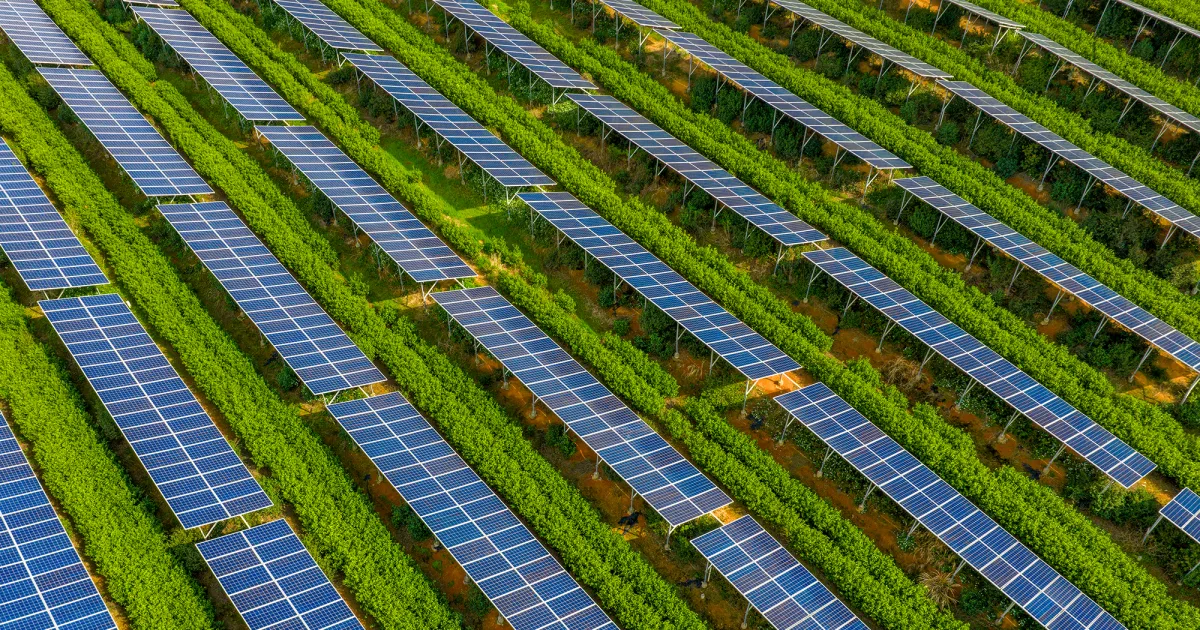
The country’s push toward renewable energy further strengthens its energy security. China installed more than half of the world’s new solar capacity last year, adding 315 gigawatts, complementing the 277 gigawatts installed the previous year. Beijing aims for non-fossil fuel sources to provide half of its energy by 2030, increasing wind and solar contributions from 22 to 30 percent within five years. Although coal remains the dominant energy source at over 50 percent, renewables are rapidly transforming China’s energy landscape.
The Asia Group report highlights that while many Asian economies face severe energy vulnerabilities, China’s dual strategy of stockpile inflation and renewable expansion positions it uniquely to capitalize on the current global energy crisis arising from Donald Trump’s Middle East policies. This shift not only secures China’s energy needs but also enhances its geopolitical influence across Asia.