

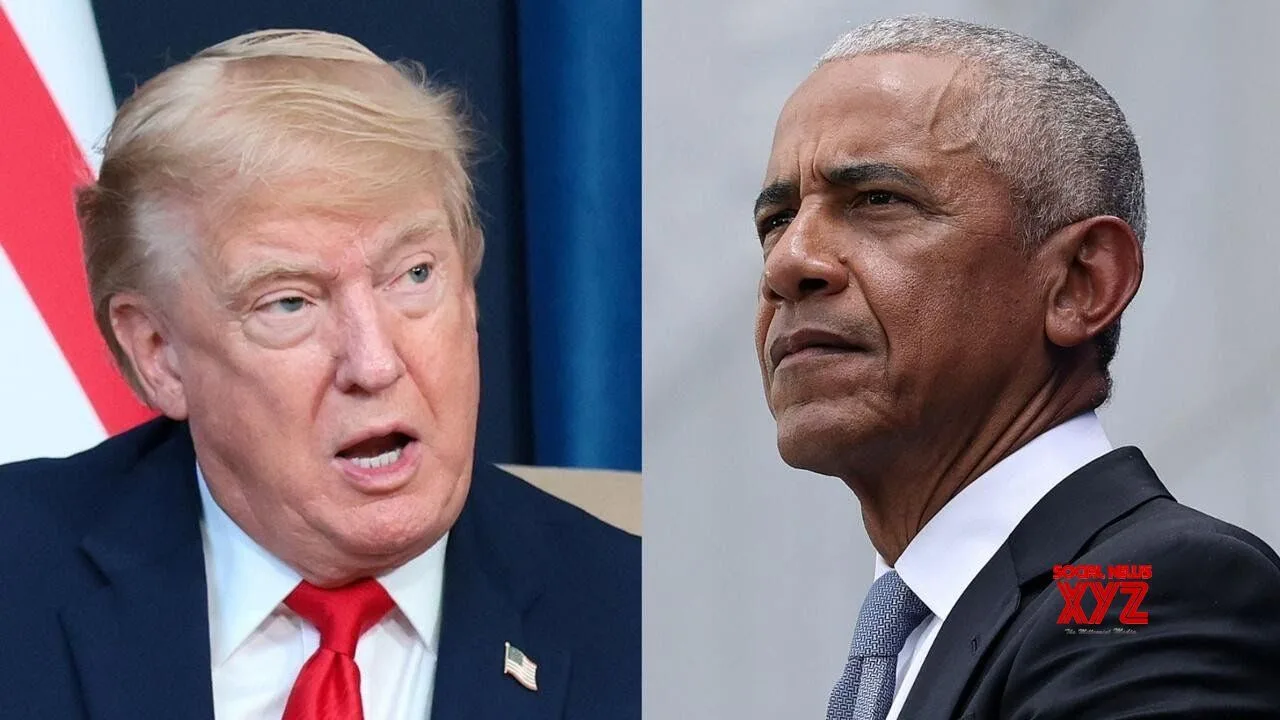
The Trump administration has repeatedly asserted that its memorandum of understanding with Iran offers a stronger framework than the nuclear agreement forged under President Obama’s administration in 2015. This claim centers on perceived improvements in compliance measures and enforcement mechanisms. Critics and analysts, however, continue to scrutinize how these two diplomatic efforts differ not only in scope but also in their global implications.
Obama’s deal, widely known as the Joint Comprehensive Plan of Action (JCPOA), aimed to limit Iran’s nuclear capabilities in exchange for lifting economic sanctions. Its approach relied heavily on verification through international inspections and phased sanctions relief. Meanwhile, the Trump memorandum reportedly introduces stricter conditions and asserts a more confrontational stance toward Iran’s regional activities, reflecting a shift in U.S. strategy toward containment rather than engagement.

CBS News’s "The Daily Report" has provided breakdowns comparing these agreements, highlighting distinctions in duration, compliance oversight, and diplomatic context. The Obama deal featured detailed restrictions on uranium enrichment and centrifuge operations, structured to prevent nuclear weapon development over a set timeline. The Trump memorandum has been described as a document designed to maintain pressure on Iran, with a focus on addressing broader concerns including missile programs and support for proxy groups.
Access to CBS News content is broad, with 24/7 streaming available on over 30 platforms spanning mobile, desktop, and connected televisions at no cost. This ensures audiences worldwide can follow ongoing updates and analyses concerning U.S.-Iran relations. The network’s reach extends to 91 countries and includes original live reports and storytelling from top anchors and correspondents. CBS News also supports multiple social media channels and a mobile app, enhancing audience engagement with this ongoing geopolitical story.