

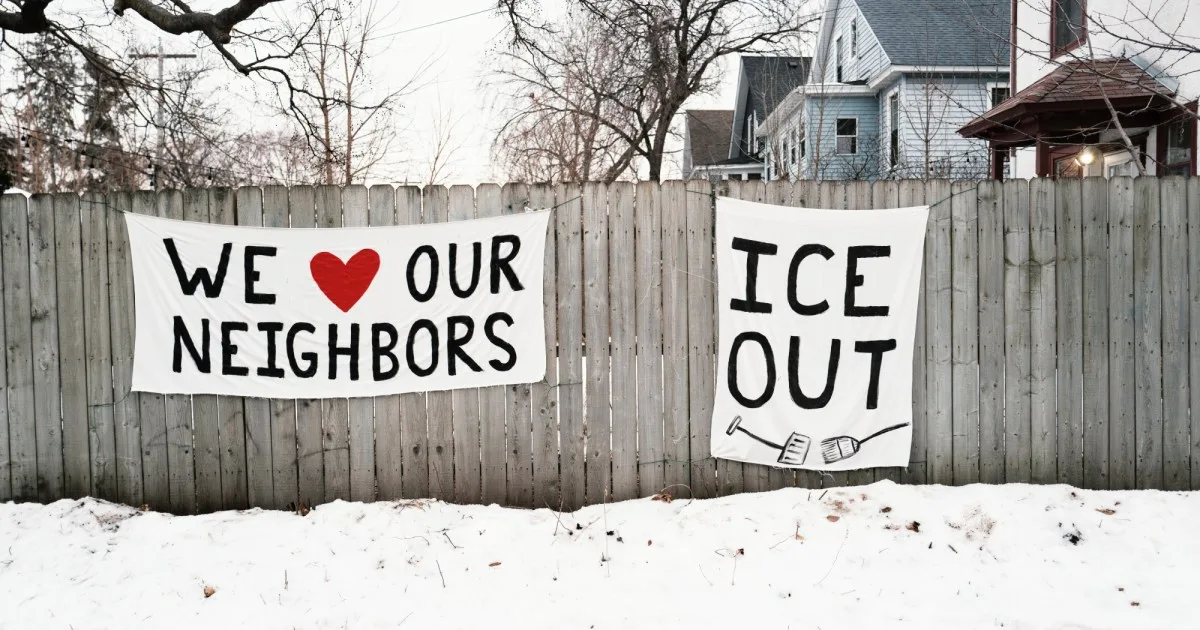
The Department of Justice has formally charged 15 individuals from the Minneapolis area with conspiracy to impede or injure federal officers during protests against ICE operations earlier this year. The indictment, filed under a policy emphasizing harsh prosecutions against anti-fascist and anti-government protesters, targets a range of behaviors connected to demonstrations opposing federal immigration enforcement.
Central to the prosecution is an extensive account of the defendants’ alleged actions, which includes organizing blockades at ICE facilities, monitoring ICE vehicle movements, and coordinating through frequent online group chats. The indictment stretches over 90 pages, underscoring reported affiliations with political groups such as the Democratic Socialists of America and highlighting symbolic acts like wearing “antifa” clothing or hats honoring historical activists.

Federal prosecutors framed these activities as part of a broader conspiracy, despite not providing evidence that these protesters directly caused physical harm to any federal officers. When pressed, U.S. Attorney Daniel Rosen emphasized that actual bodily harm was not the legal benchmark for the charges. Instead, the focus lies on the alleged deliberate obstruction and resistance to federal law enforcement duties during the protests.
Among the key points in the indictment are these alleged actions:
- Using social media to spread messages advocating for active and widespread resistance, including calls to “become ungovernable.”
- Wearing clothing items that openly identified with activist causes, such as a sweatshirt stating “I’m antifa!” and hats commemorating past labor and indigenous protest leaders.
- Tracking ICE vehicle license plates with an organized database, a tactic becoming common in multiple cities opposing immigration enforcement.
- Participating in post-protest strategy meetings, including one at the Democratic Socialists of America office.
This indictment follows similar federal actions against anti-ICE protesters in other parts of the country and aligns with a presidential memorandum focused on targeting domestic protests perceived as threats to federal authority. Critics have pointed to the breadth and nature of the charges as potentially excessive, considering the outlined behaviors largely involve protected protest activities and political expression.