

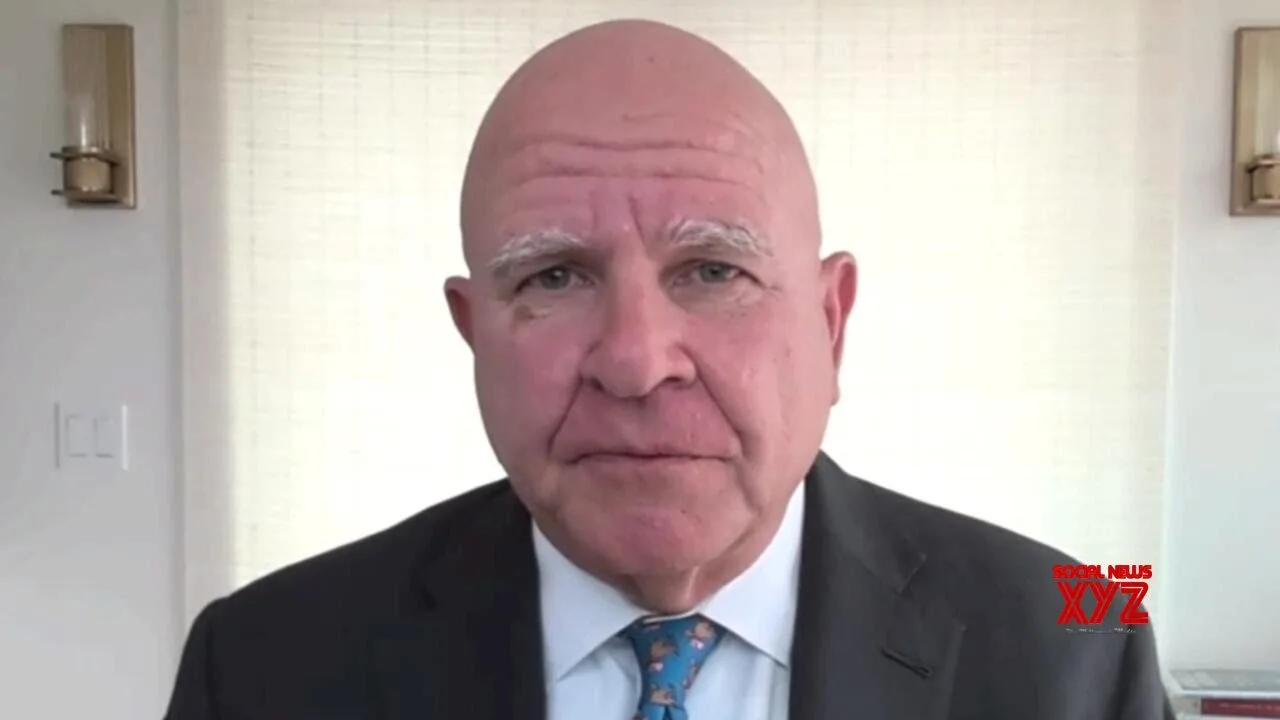
Former national security adviser H. R. McMaster has expressed concerns that ongoing negotiations between the United States and Iran seem to advantage Tehran, suggesting Iran is securing much of what it sought from the talks. This critique comes amid President Trump’s recent statements highlighting progress in the bilateral discussions.
Trump publicly endorsed the evolving dialogue with Iran, presenting it as a step forward in resolving long-standing tensions. However, McMaster’s analysis counters this optimistic view by emphasizing that Iran appears to be in a position to extract significant concessions, potentially undermining U.S. strategic interests in the region.

The ongoing talks reflect a complex geopolitical challenge. U.S. officials aim to curb Iran's nuclear ambitions while addressing regional security concerns. Meanwhile, Iran seeks relief from economic sanctions and broader international recognition. McMaster’s remarks highlight the delicate balance in these negotiations and foreshadow scrutiny over the details and terms being discussed.
This dialogue unfolds within a broader context of U.S.-Iran relations, characterized by decades of mistrust and intermittent diplomatic engagement. The stakes involve nuclear nonproliferation, regional alliances, and global energy markets.
As the discussions continue, observers and analysts alike await further clarity on what agreements might be reached and how they will shape the strategic landscape in the Middle East.