

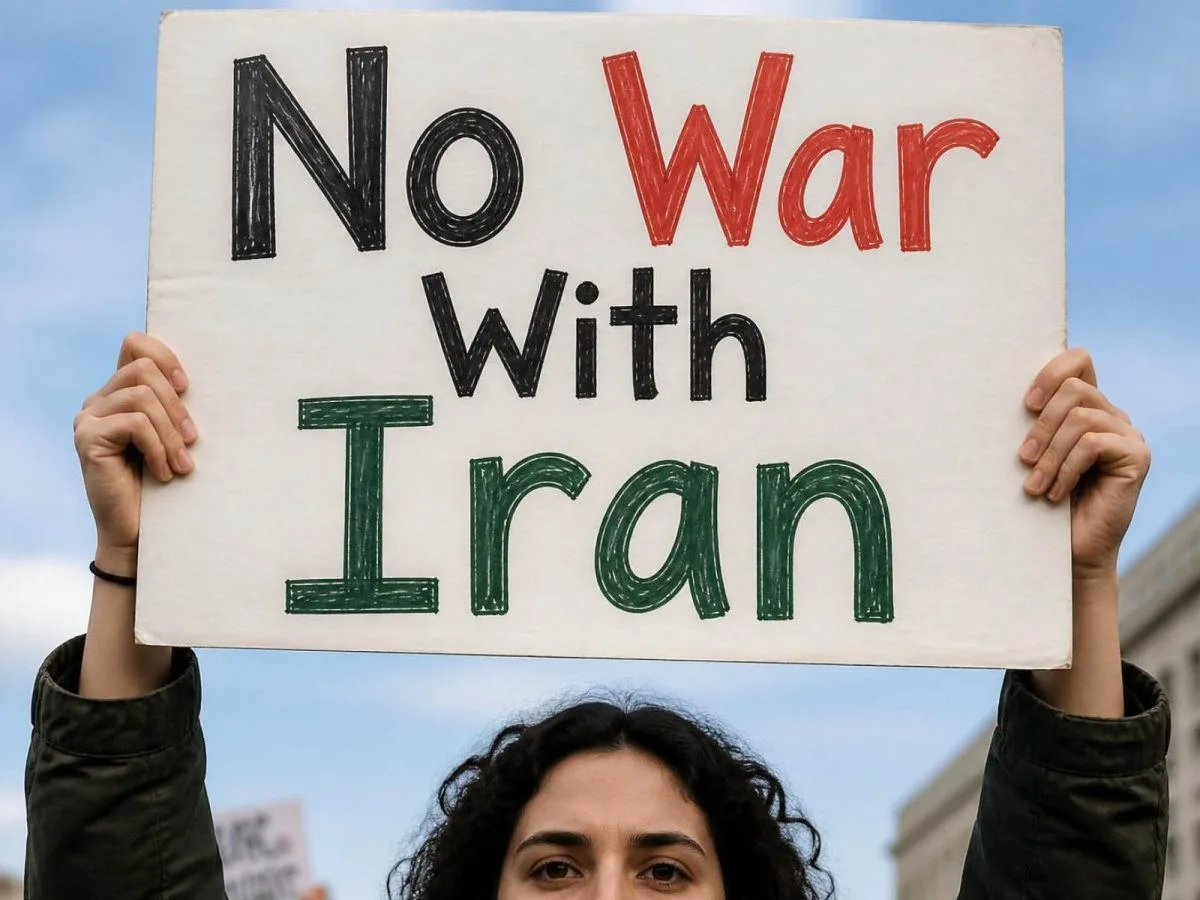
The U.S. House of Representatives has passed a resolution aimed at curbing President Donald Trump’s authority to conduct ongoing military operations against Iran without explicit congressional approval. The measure, approved by a close vote of 215-208, marks a clear congressional effort to reassert its constitutional role in authorizing war, amid growing unease over the prolonged conflict.
The resolution serves as a formal rebuke of the administration’s approach, emphasizing Congress’s constitutional power to declare war. While it does not immediately halt military activity, it makes clear lawmakers oppose the continuation of hostilities without their endorsement. The conflict, ongoing for more than three months, has intensified concerns over economic fallout, such as rising gas prices and global market instability.

Under the War Powers Act of 1973, presidents are allowed to engage in military action for a limited period—typically 60 days—without congressional approval, after which they must seek authorization to continue. The Trump administration contends that a ceasefire declared earlier has paused active hostilities, effectively stopping the War Powers clock. Critics dispute this claim, noting that military strikes persist and peace negotiations remain unsettled—a disagreement fueling the current standoff between Congress and the White House.
While the House took this significant step, the Senate has yet to hold a final vote on a comparable resolution. Earlier efforts in the Senate gained bipartisan traction when four Republican senators joined Democrats, raising the prospect of heightened pressure on the president and potential legal battles over war authorization powers.
This congressional challenge also reflects shifting political dynamics. Public support for the military engagement appears to be fading, complicating Trump’s commitment to reduce U.S. involvement in overseas conflicts. The Iran situation continues to dominate the administration’s foreign policy agenda despite promises to focus more on domestic concerns.