

Iran launched missiles targeting Israel in what officials described as the first such attack since a ceasefire took hold earlier this year. Israel’s military intercepted all the missiles, though it cautioned that its defenses are not impenetrable. The incident triggered air raid sirens and explosions were audible across northern Israel, though no casualties or damage have been reported so far.
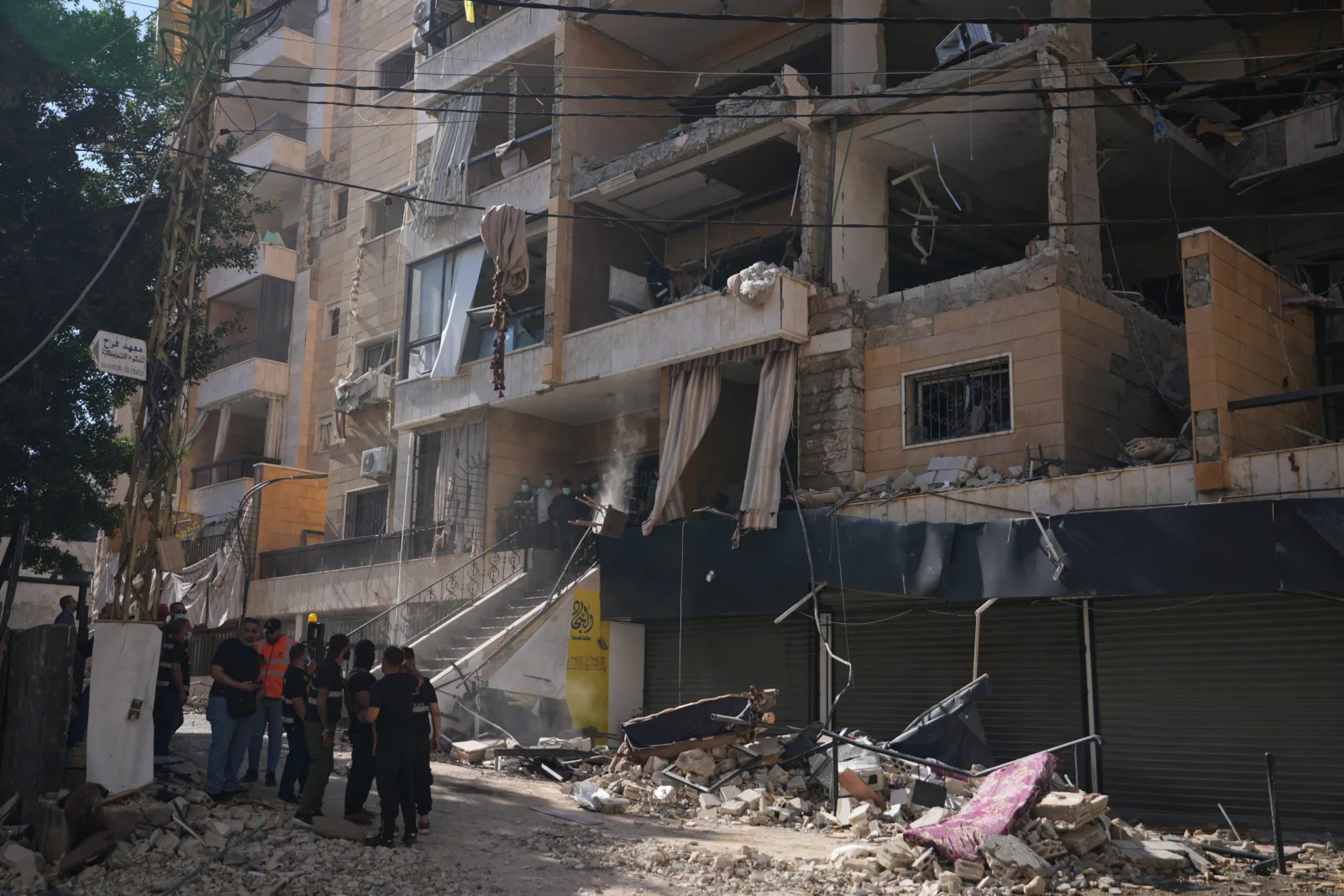
The missile launches come amid a deteriorating situation following an Israeli airstrike on Beirut’s southern suburbs that killed civilians and wounded dozens. That strike occurred despite U.S. efforts to broker a ceasefire and calls to halt hostilities. Iran’s state media confirmed the missile attack, warning that assaults on Lebanon or Iranian targets would lead to continued retaliation.

The rising violence further complicates negotiations aimed at ending the broader conflict in Lebanon and the region. Hezbollah, the Iran-backed militant group in Lebanon, rejected the recent ceasefire agreed upon by Lebanese and Israeli governments, maintaining a posture of continued resistance. Meanwhile, Iran asserts that any comprehensive peace deal must include an end to hostilities in Lebanon.
Explosions heard near Damascus were attributed by Syrian state media to Israeli air defenses responding to the missile attack. The U.S. Central Command noted its forces remained vigilant in the Middle East amid the escalating situation, though the White House has not issued an immediate response regarding the missile strikes or Israel’s recent air operations.
This sequence of attacks underscores the fragile and volatile nature of the current ceasefire, with Iran directly entering the conflict theater for the first time since April. The military escalation risks undermining ongoing diplomatic efforts, even as regional and global powers push for restraint and dialogue.