

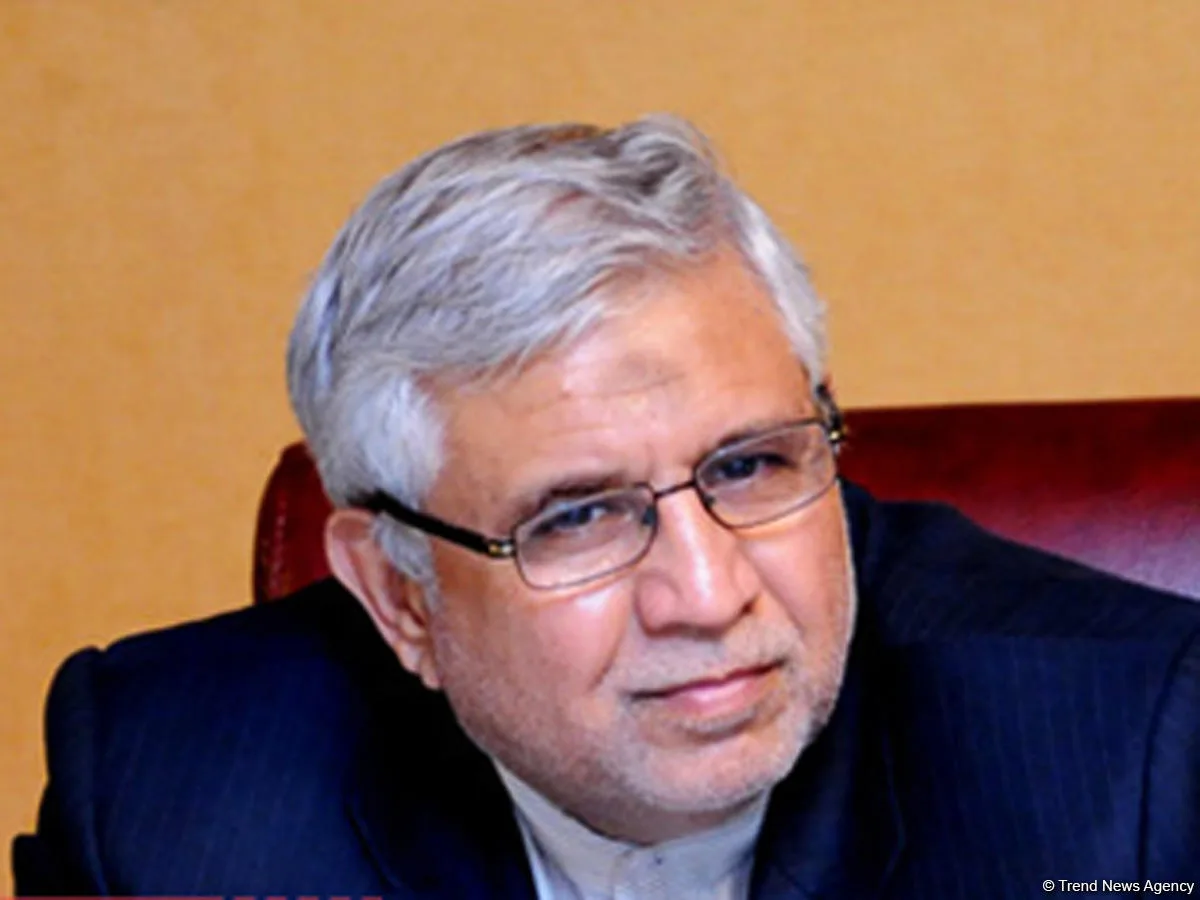
The memorandum of understanding signed between Iran and the United States has the potential to end conflict tensions in the Persian Gulf and broader Western Asia, former Iranian diplomat Mohsen Pakaein explained. If fully realized, the agreement could remove the threat of war from the region, greatly benefiting international security and commerce.
Central to the deal is ensuring safe and unthreatened passage of commercial vessels through the Strait of Hormuz, a critical chokepoint for global oil shipments. This improvement holds particular significance for industrialized nations reliant on crude oil imports from Gulf countries, promising increased trade stability.

The memorandum is structured in two main phases. The initial phase focuses on halting warfare, lifting the U.S. naval blockade, and maintaining a ceasefire involving Iran, the United States, and Lebanon. This phase also calls for Israeli compliance with the ceasefire in Lebanon, while Iran will request Hezbollah to refrain from hostile actions against Israel. This mutual ceasefire aims to bring stability between the involved parties.
The second stage, spanning 60 days of negotiations, will address core concerns including Iran’s nuclear intentions. The U.S. seeks assurances that Iran will not pursue nuclear weapons, a position consistent with Iran’s declared policy against developing or using atomic arms. Should Iran satisfy these conditions, the United States is expected to lift all sanctions imposed on the country.
Pakaein indicated that if these talks culminate in a formal treaty, it could mark a turning point toward lasting peace across Western Asia. The memorandum officially took effect the day after its signing by Iranian President Masoud Pezeshkian and U.S. President Donald Trump, signaling renewed prospects for diplomatic engagement in a historically volatile region.