

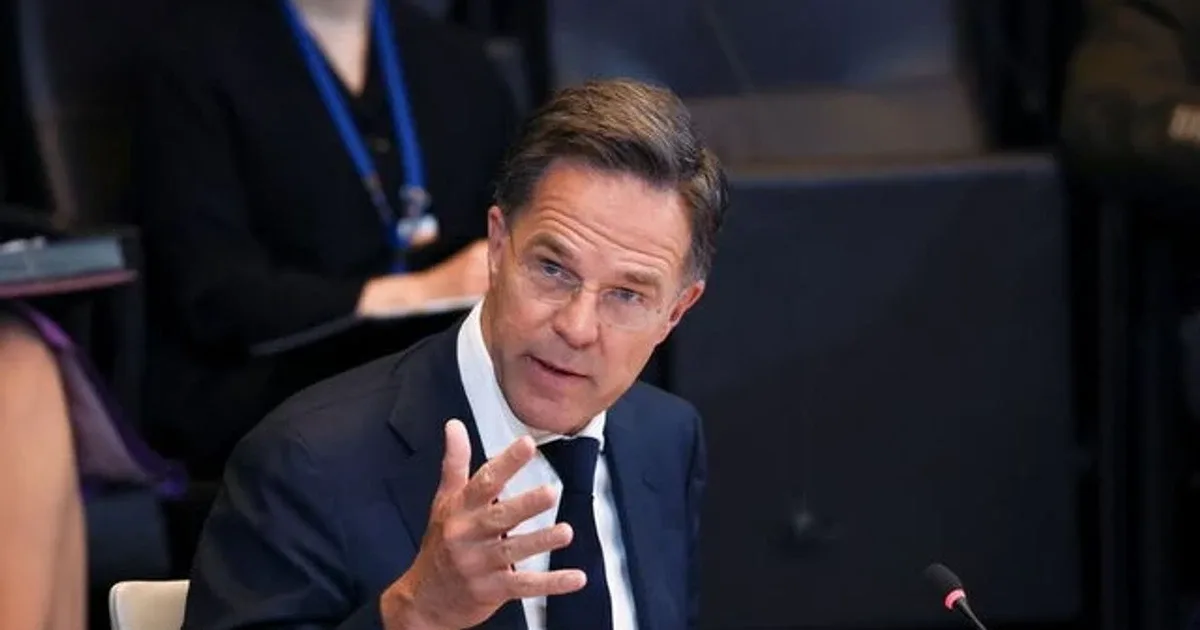
NATO’s defense ministers have approved a comprehensive modernization of the alliance’s nuclear capabilities and deterrence planning to address evolving security threats, particularly from Russia. This decision came during a recent meeting of the Nuclear Planning Group in Brussels, emphasizing that nuclear deterrence remains central to NATO’s defense strategy.
The modernization effort extends beyond introducing new weapons. It involves updating nuclear policy, doctrine, operational planning, force posture, and exercises to keep NATO’s deterrent secure, credible, and effective. The alliance reaffirmed that its strategic nuclear forces are the ultimate safeguard for member states’ security and form the backbone of NATO’s extended deterrence framework.

This move signals NATO’s commitment to maintaining a credible nuclear posture amid ongoing concerns about Russia’s military stance, which continues to challenge Europe’s security environment. For NATO’s eastern members, the emphasis on enhanced planning and adaptability aims to reassure that the alliance is responsive to shifting threats rather than relying on outdated arrangements.
The Nuclear Planning Group, NATO’s primary forum for nuclear deterrence consultation and decision-making since its establishment in 1966, includes all allies except France. Its prominent role in this decision underscores the weight of the alliance’s renewed nuclear focus.
In parallel with these nuclear initiatives, NATO has intensified efforts to strengthen conventional forces and capabilities. Recent statements by Secretary General Mark Rutte highlighted increased defense investments by European allies and Canada, totaling over $90 billion scheduled for 2025, aimed at bolstering the alliance’s military readiness and industrial base.
The approval of the modernization plan follows preparatory work by a NATO High Level Group, demonstrating that these updates are part of a deliberate, long-term strategy rather than a symbolic gesture. Together, these developments represent a strategic recalibration where nuclear deterrence is integrated into ongoing alliance management, force readiness, and strategic signaling amid heightened transatlantic security concerns.