

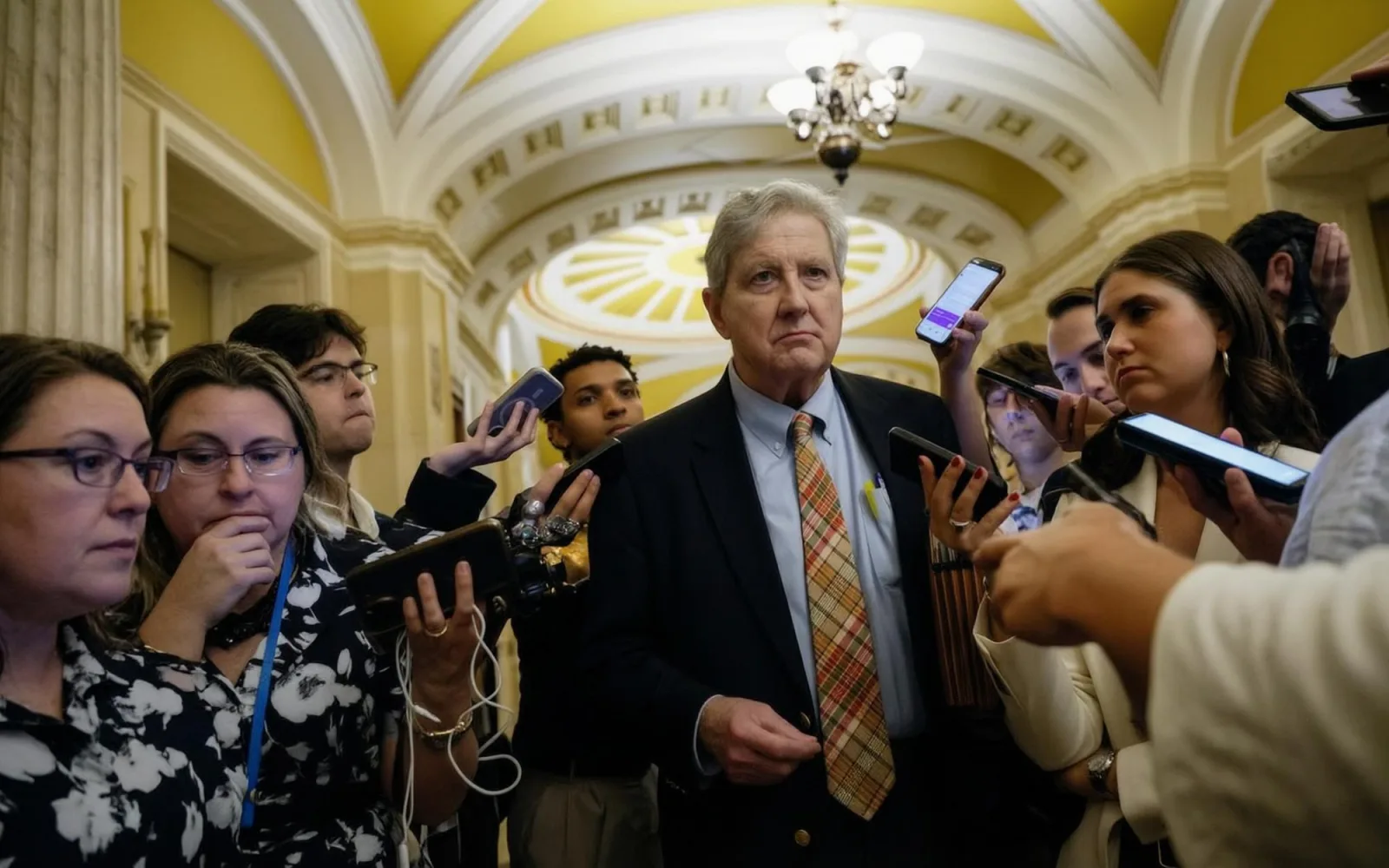
Senator John Kennedy has raised alarms about a potential government shutdown as disputes intensify over President Donald Trump’s proposed boost to the defense budget for fiscal year 2027. The contention centers on the National Defense Authorization Act (NDAA), which determines annual funding and policy for the U.S. military. The senator’s warning comes amid fierce resistance from Senate Democrats who oppose the administration’s substantial military spending proposal.
President Trump’s budget blueprint calls for a dramatic increase in the Department of Defense’s funding, pushing it up by more than 40 percent. Senator Kennedy notes that Republican discussions favor a smaller but still significant increase ranging from 20 to 27 percent. However, Democrats have balked entirely at backing any expansion of military funds, reportedly seeking to redirect resources toward domestic entitlement programs instead.

Kennedy characterized this stance as not only fiscally irresponsible—due to concerns over the national deficit—but also strategically unwise given the mounting threats the U.S. faces from adversaries such as China, Russia, and North Korea. He emphasized that the country confronts a genuine defense crisis demanding prioritization over welfare spending. The senator accused Democrats of playing politics and obstructing budget progress, predicting that Senate Majority Leader Chuck Schumer may push for a shutdown before the upcoming midterms to gain political advantage.
The implications of a shutdown extend beyond political maneuvering. Military officials, including the Air Force Secretary, have testified that a lapse in funding or failure to pass a continuing resolution would severely damage military readiness. Investments in critical capabilities—ranging from unmanned systems to weapon maintenance—could suffer setbacks, compromising national security during a period of rapid global change.
As the Senate Armed Services Committee debates its version of the NDAA, the chasm between parties reflects broader disagreements on how to balance defense priorities against domestic spending. Senator Kennedy’s comments underscore the potentially high stakes of this budget showdown and the precarious position of the federal government amid partisan gridlock.