

The U.S. has shifted to a more flexible approach toward Iran, moving away from earlier demands to completely eliminate Tehran’s missile capabilities. The current ceasefire talks have produced a temporary agreement that postpones resolution on Iran’s nuclear enrichment, uranium stockpile, and missile arsenal for further negotiation within a 60-day window.
Originally, the campaign against Iran featured calls to eradicate the country’s missile infrastructure and halt its nuclear ambitions entirely. However, recent statements from U.S. leadership permit Iran to retain some ballistic missiles, especially since other regional powers possess similar weapons. The emphasis on regime change has receded, replaced by an acknowledgment of Iran’s leadership as pragmatic actors seeking national improvement.

The interim memorandum of understanding outlines a set of 14 points aiming to ease regional tensions and includes reopening the Strait of Hormuz—a critical artery that channels a significant portion of global oil shipments—alongside sanctions relief and funding for reconstruction. Yet, this partial agreement deliberately defers the most contentious subjects—nuclear verification, uranium enrichment levels, and missile disarmament—to subsequent discussions.
This softer stance also reflects concern over the broader economic fallout of continued conflict. Whereas initial war rhetoric accepted global oil price volatility as a necessary cost, the administration now warns of potential worldwide economic depression if fighting prolongs. Despite dissent from U.S., Israeli, and Iranian critics demanding clearer terms on Iran’s weapons capabilities, the White House has dismissed such objections and signaled that failure to finalize a deal within the negotiation period could lead to resumed military action.
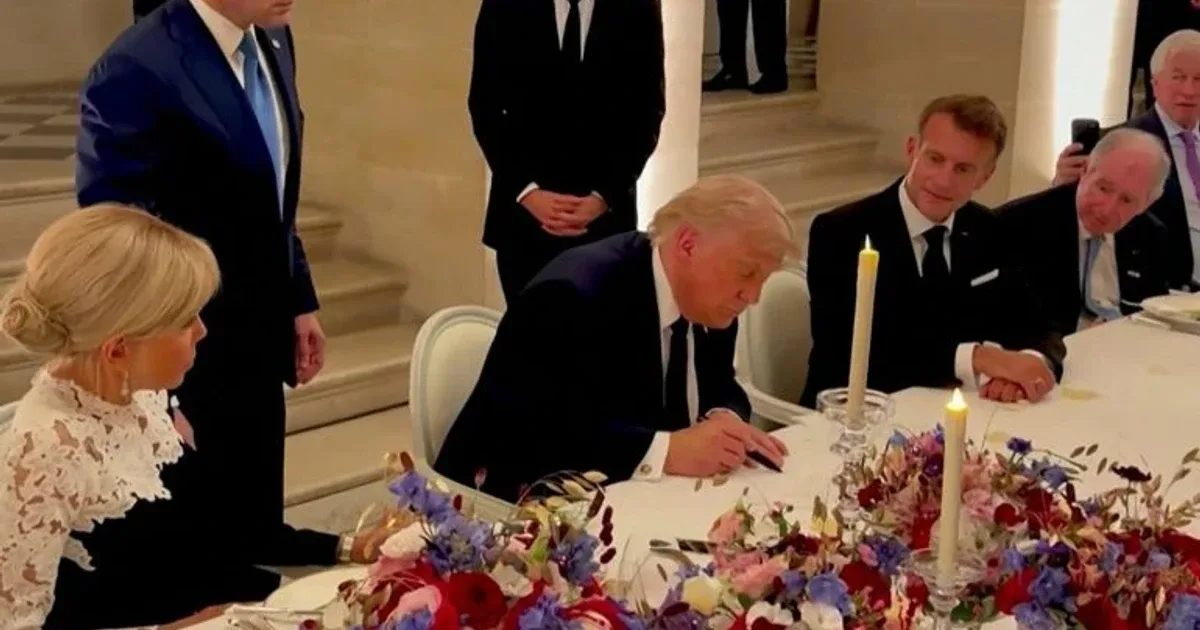
The formal signing event was slated to take place in Switzerland, marking a critical milestone intended to cement this fragile ceasefire framework. However, with major issues unresolved, the forthcoming two months will be crucial to determining whether the negotiations can yield a comprehensive and enforceable agreement on Iran’s military and nuclear programs.