

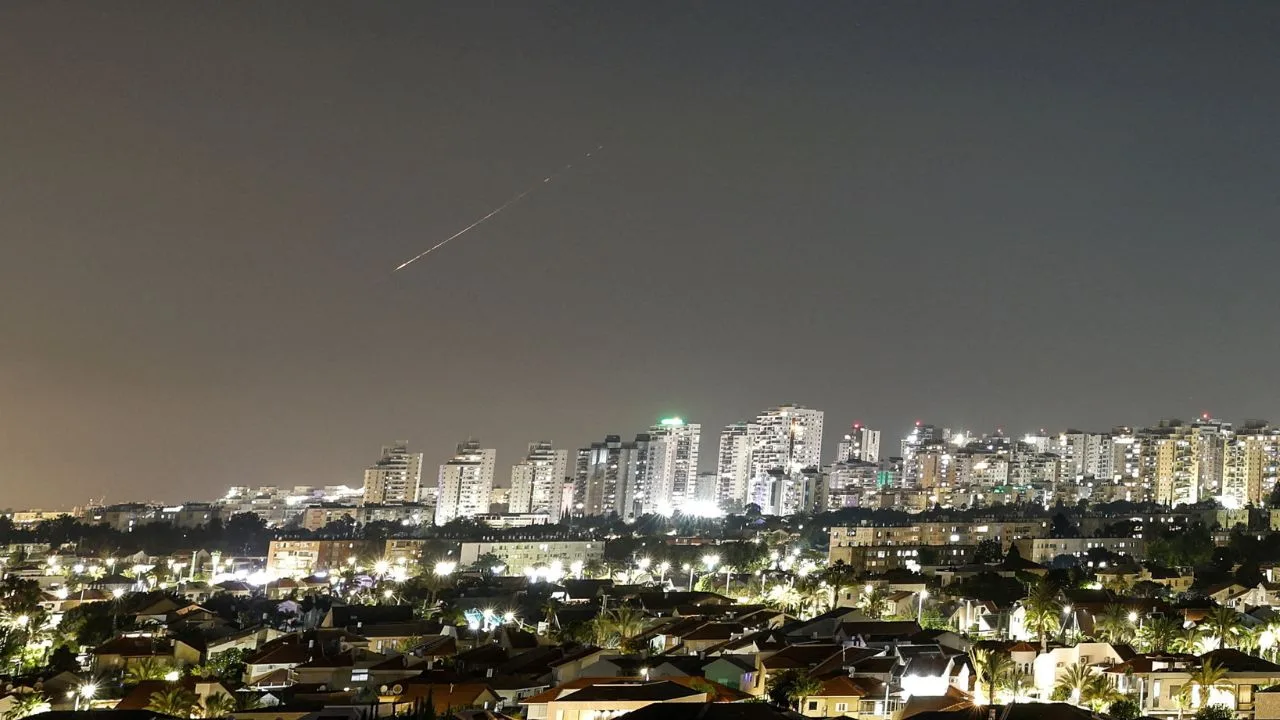
President Donald Trump urged Israeli Prime Minister Benjamin Netanyahu to hold back from retaliating after Iran fired missiles at Israeli targets, following an Israeli airstrike near Beirut. Trump emphasized the need to avoid escalation, citing ongoing U.S.-Iran negotiations aimed at securing a peace agreement.
Iran’s missile volley, targeting the Ramat David air base near Nazareth, marked a sharp turn in hostilities. Israel intercepted many of the missiles and maintained a posture of measured response. Earlier, Israel struck areas around Beirut for the first time since last week’s truce plan announcement concerning Lebanon. Despite the strikes, the Israeli military’s leadership said no orders had been given yet to expand attacks against Iran, though they remained prepared to act decisively if instructed.

The conflict centers on Iran-backed Hezbollah fighters in Lebanon, whose rocket and drone attacks on Israel have complicated peace efforts. Tehran insists any deal with Washington must include a ceasefire that covers Lebanon, demanding that Israeli assaults there cease. Israeli officials argue the Lebanon conflict is separate from direct U.S.-Iran negotiations.
Trump’s call to Netanyahu came during a televised interview marking 100 days of conflict in the region. He cautioned against further military actions that could derail talks nearing a final stage. While Iran had avoided direct attacks on Israel during the ceasefire earlier this year, it held Israeli forces responsible for violations in Lebanon, labeling U.S. bases and Israeli assets as legitimate targets due to ongoing hostilities.
Since the start of the conflict, Hezbollah remained active against Israel, but Iran’s missile launch marked its first direct strike in months. Israeli officials, however, forecasted possible retaliations despite Trump’s urging, highlighting the fragile balance between military action and diplomacy at this volatile moment.