

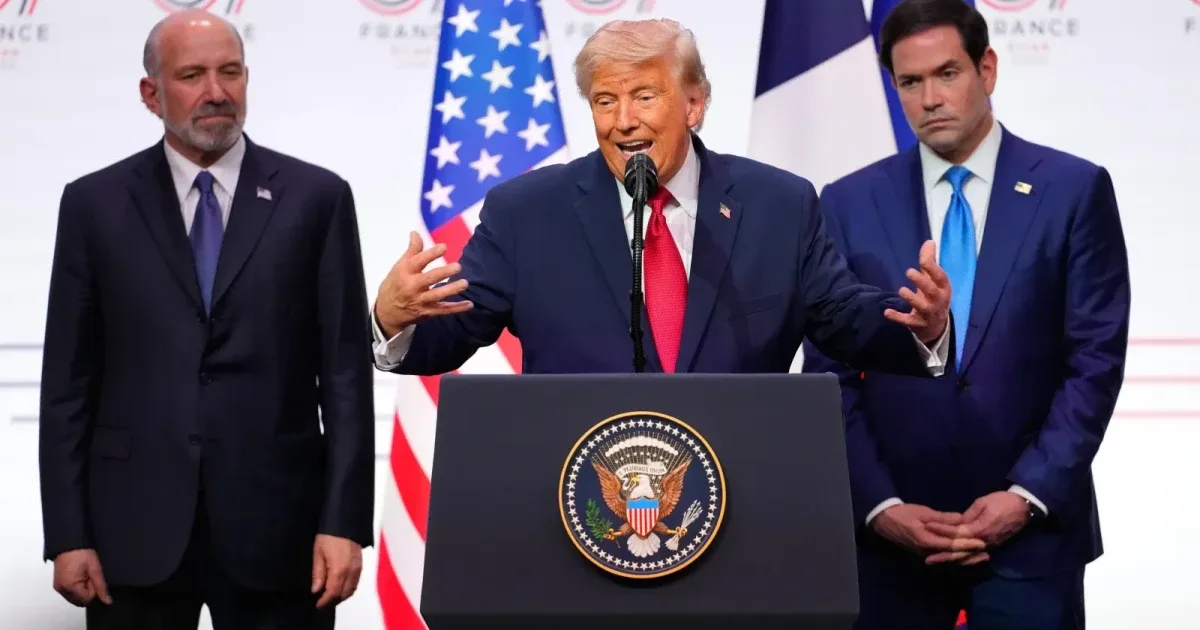
The Trump administration’s recent framework with Iran serves as a preliminary roadmap rather than a finalized deal, focusing on extending the ceasefire and opening a 60-day window for more detailed nuclear negotiations. Unlike a binding agreement, this memorandum leaves key issues—such as uranium enrichment limits, inspection protocols, and sanctions relief—unaddressed for future discussions.
This framework contrasts fundamentally with the 2015 Joint Comprehensive Plan of Action (JCPOA) forged during the Obama administration. The JCPOA, negotiated with the P5+1 and the European Union, represented a robust, multilateral agreement with extensive technical detail. It imposed strict limitations on Iran’s nuclear program, including capping uranium enrichment at 3.67 percent for 15 years, drastically reducing its uranium stockpile, and dismantling most centrifuges. The accord also closed enrichment activities at the Fordow facility and restructured the Arak reactor to prevent production of weapons-grade materials.

Certified by the International Atomic Energy Agency in early 2016, the JCPOA facilitated the lifting of nuclear-related sanctions, extending Iran’s nuclear breakout timeline significantly. In comparison, Trump’s framework is a strategic pause that avoids binding commitments upfront, instead deferring the most contentious points to the forthcoming negotiation period. This approach has drawn mixed reactions, as critics caution that the preliminary nature of the roadmap leaves too many uncertainties unresolved.
While President Trump has claimed this new arrangement to be superior to Obama’s deal, observers note that Obama himself viewed a future agreement as unlikely to differ substantially from the JCPOA in scope or effectiveness. The core debate now revolves around the leverage each side holds in the upcoming talks, since the Trump framework has yet to define enforcement mechanisms or the precise conditions for sanctions relief.