

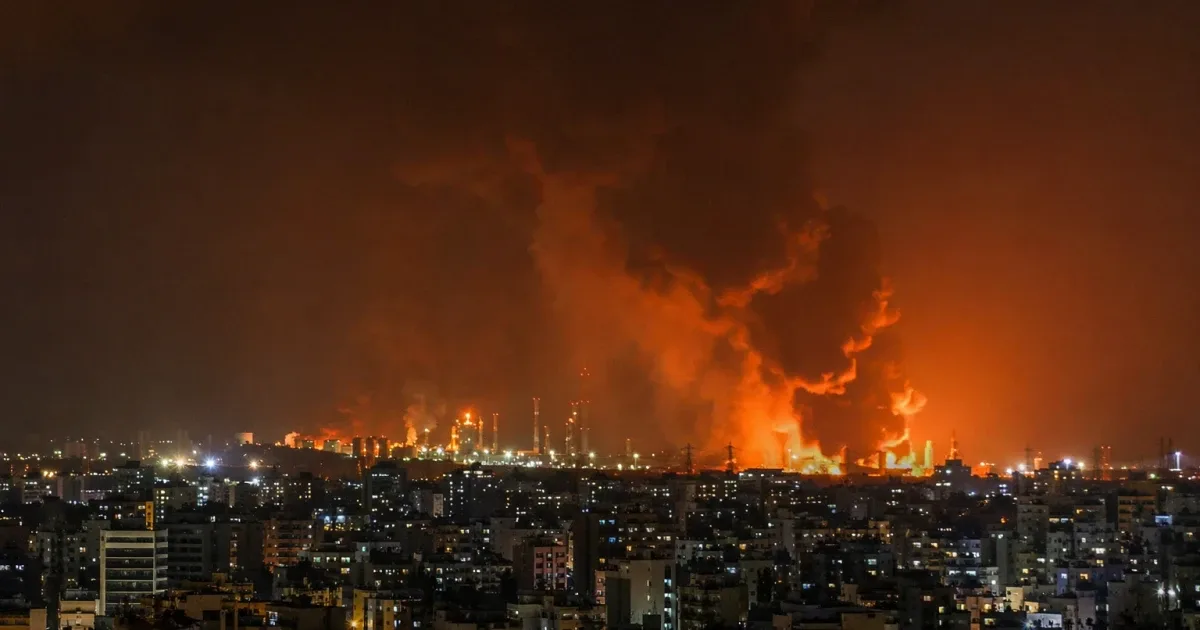
The United States and Israel launched a series of coordinated strikes against multiple Iranian military, government, and infrastructure targets following weeks of failed negotiations. The offensive, described by U.S. leadership as a substantial combat operation, signals a marked departure from previous diplomatic efforts aimed at curbing Tehran's influence.
The campaign escalated rapidly after Iranian forces shot down a U.S. Army Apache helicopter near the Strait of Hormuz, a crucial global shipping chokepoint. The U.S. Central Command responded with what it initially called a proportional strike, later framing the operation as an act of self-defense. Both pilots were reported safe, but the incident intensified the hostilities between the involved parties.

The American and Israeli attacks reportedly struck locations surrounding Tehran, including areas near the offices of Supreme Leader Ayatollah Ali Khamenei. This broad targeting of military command centers and critical infrastructure illustrates a strategic effort to diminish Iran’s capacity for regional military action and disrupt its governmental operations. The scale and coordination of the strikes underscore a shift from diplomacy to direct confrontation.
Iranian officials have warned that their armed forces remain on high alert for any breaches of Iranian airspace, land, or waters. Iranian Foreign Minister Abbas Araghchi highlighted this state of readiness as a deterrent against further incursions. The ongoing exchange creates a precarious situation where either restraint or retaliation by either side could significantly influence the region’s stability.
The sequence of events—from the helicopter downing to the large-scale retaliatory strikes—exemplifies how swiftly a conflict can escalate from isolated incidents to broader military actions. Analysts warn that any future attacks on U.S. or Israeli assets within the Gulf region could spark an expanded regional conflict, with serious implications for global security and energy supplies.