

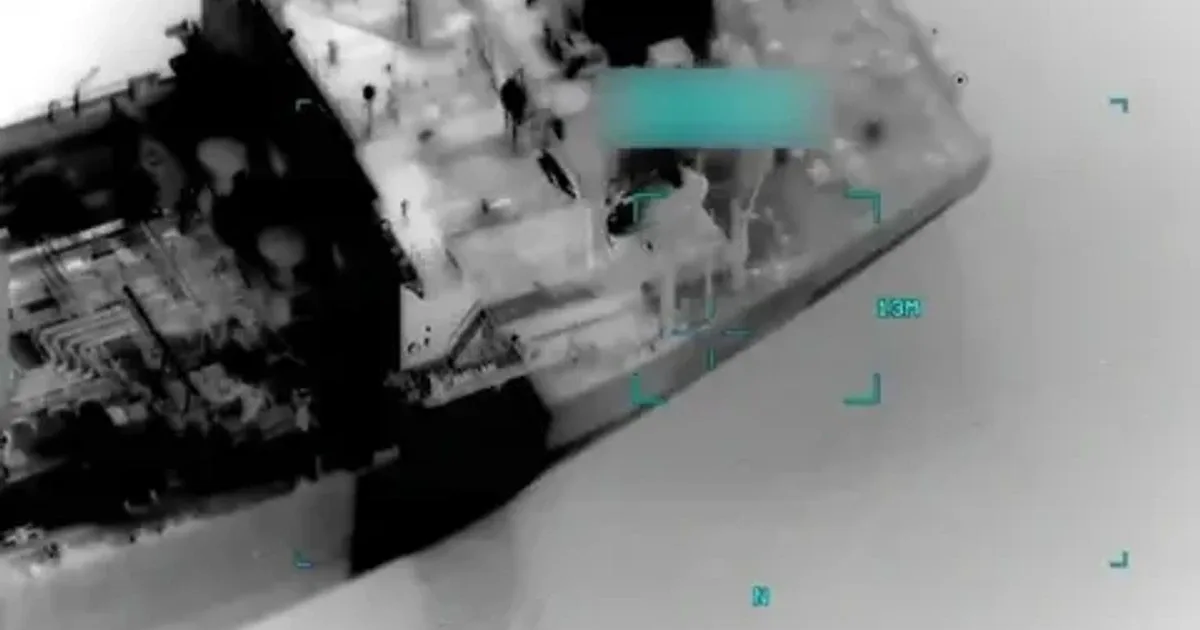
The US military carried out an attack on a Palau-flagged commercial tanker following claims that the vessel did not comply with issued directives, escalating a shipping dispute into a direct confrontation at sea. This use of force underscores the delicate balance between enforcing maritime security and protecting civilian crews navigating some of the world’s most hazardous waters.
The attack, conducted on a Wednesday, placed the tanker and its crew at significant risk, highlighting the vulnerability of civilian mariners who are noncombatants but operate in environments where military decisions can quickly escalate to violence. The situation illustrates the urgent need for clarity on how military authorities define and respond to “noncompliance” from commercial vessels, particularly when lives and international shipping norms are on the line.

Legal and operational questions have emerged from the incident. The rules of engagement for military actions at sea involve multiple layers of command—from the frontline unit to senior defense and civilian policymakers—who decide the threshold and proportionality of force. This case brings into focus these decision-making processes, especially since the targeted tanker flies Palau’s flag, implicating international maritime law and flag state responsibilities.
The broader implications extend beyond this single episode. Shipping companies, insurers, and flag states face uncertainty over the standards applied to determine when military force is justified against commercial ships. Without transparent criteria or clear procedures, future encounters risk damaging the stability of global trade routes and escalating tensions between nations.
For crews operating far from their home ports, the stark lesson is the risk of sudden exposure to hostile action despite their civilian status. The incident serves as a cautionary signal that maritime enforcement actions can quickly turn confrontational, with consequences that reverberate through the shipping industry and international relations alike.