

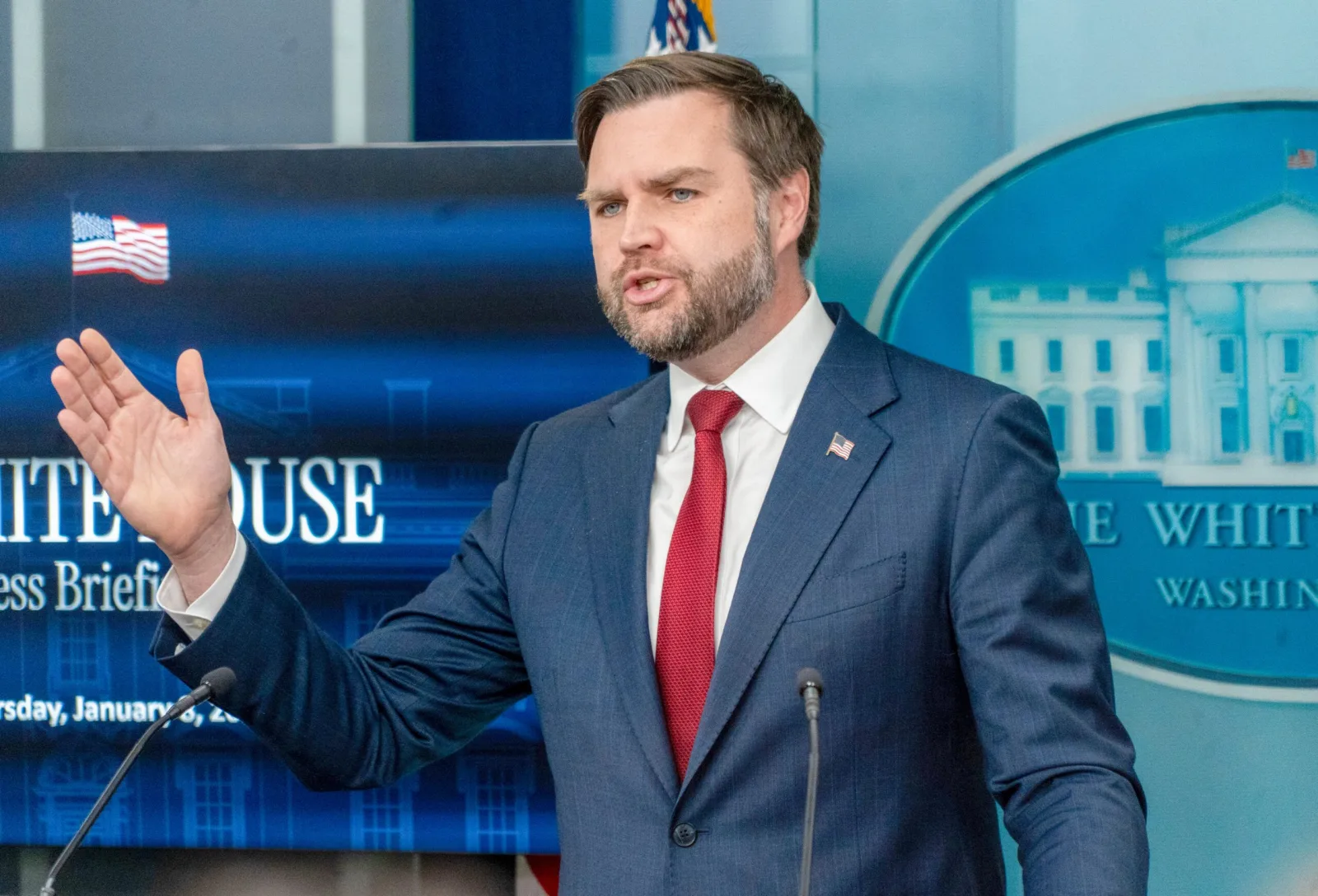
The planned departure of the US Vice President for technical negotiations with Iran has been postponed due to logistical difficulties, the White House confirmed. Despite the delay, Washington and Tehran continue to prepare for a critical phase focused on implementing a recently signed memorandum of understanding between the two countries.
White House officials stressed that the US delegation remains ready to depart at the earliest opportunity. However, organizing these talks has proven complicated, given the sensitive and unpredictable nature of arranging such high-stakes dialogues. No new departure date has been announced, but the administration affirmed its commitment to launching the technical negotiations promptly.

The discussions are scheduled to transition from a political framework to detailed conversations addressing implementation, verification, and compliance with the agreement. The talks are expected to take place in Switzerland and focus on key technical issues, including inspection procedures, mechanisms to verify Iran’s commitments, and the management of Iran’s enriched uranium stockpile.
The Vice President, who is anticipated to lead the US negotiation team, recognized the challenge in coordinating the meeting's timing, noting difficulties tied to travel arrangements for Iranian participants. He emphasized that the talks, though delayed, should commence soon—likely within days—and stressed the administration’s insistence on verifying action over rhetoric.
Among the foremost topics is how to manage and dismantle Iran’s highly enriched uranium reserves, a focal point for ensuring the agreement’s success. The administration views the upcoming talks as the true test of the memorandum, highlighting the need for concrete adherence rather than promised intentions.
The negotiations are expected to unfold during a 60-day implementation window outlined in the agreement, aimed at establishing a clear, verifiable path forward for compliance and enforcement between both parties.