

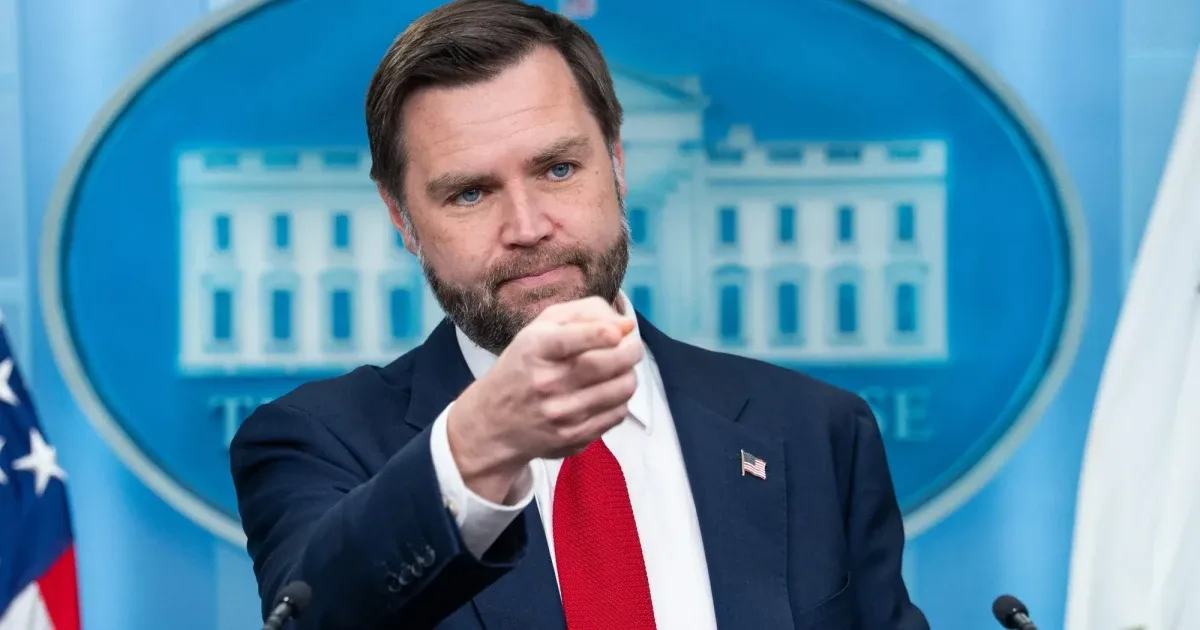
The United States Vice President postponed his planned trip to Switzerland, signaling the tentative nature of the emerging diplomatic channel with Iran concerning its nuclear program. Although the White House attributed the delay to logistical issues, the move underscored lingering uncertainties as both sides prepare for critical technical talks expected to begin soon.
The discussions in Switzerland, linked to a newly signed U.S.-Iran memorandum of understanding, aim to advance negotiations that could influence the broader regional conflict. While officials emphasize a desire to commence talks promptly, the postponement has raised questions about coordination and readiness on both sides, amid ongoing political and procedural complexities.

The White House affirmed that the U.S. delegation remains ready to depart at the earliest opportunity. However, the timetable is partially dependent on Iran’s delegation and their ability to travel, adding further layers of unpredictability. Concurrently, U.S. lawmakers received briefings on the memorandum, with some expressing dissatisfaction over delayed access to the agreement details, underscoring domestic skepticism even as diplomacy progresses.
This combination of urgency and uncertainty highlights how fragile the negotiations remain, reflecting a diplomatic effort still in formation. The delay also serves as an early indicator of possible challenges in maintaining momentum toward resolving issues related to Iran’s nuclear ambitions.