

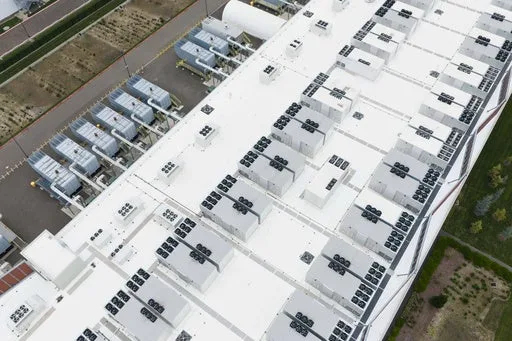
The Federal Energy Regulatory Commission (FERC) has mandated six regional grid operators to accelerate the process for connecting large energy consumers, including artificial intelligence data centers, to the U.S. electric transmission system. This move aims to address the growing energy needs of AI facilities, some of which consume more electricity than small cities, and to keep the country competitive in the expanding AI sector.
The decision follows a call from Energy Secretary Chris Wright to streamline grid access amid concerns over the nation’s aging and inefficient power infrastructure. Wright emphasized the need to remove barriers and enable reliable, affordable energy to fuel technological innovation and economic growth. FERC's order requires grid operators to ensure timely and orderly connections, while placing the financial responsibility for any necessary grid upgrades on the data centers themselves.

Despite initial apprehensions from utilities, states, and regional grid managers about losing control over connection processes, FERC clarified that states retain full authority over retail electric rates and terms. The commission also emphasized protecting consumers from bearing upgrade costs. Laura Swett, FERC’s chair, called the unanimous vote historic, highlighting its balance between advancing grid modernization and preserving states' rights and ratepayer protections.
Concerns remain among clean energy advocates who warn that accelerating connections should not weaken state-level mandates on renewable energy use. Additionally, growing public unease focuses on data centers' substantial consumption of water and electricity, as well as related environmental impacts such as noise, air pollution, and land use challenges.
While the order is designed to help data centers gain faster access to power, it does not resolve broader issues around tightening energy supplies that contribute to rising electricity costs across the country. The directive primarily tackles infrastructure bottlenecks but leaves deeper supply constraints and affordability concerns outside its immediate scope.