

Oil prices fell significantly following the immediate enactment of a U.S.-Iran memorandum of understanding to reopen the Strait of Hormuz, a critical chokepoint for global oil shipments. The deal ends the U.S. naval blockade, paving the way for Iran to increase its crude oil sales on international markets.
The agreement was announced by Pakistan’s Prime Minister Shehbaz Sharif, whose country mediated the deal. He confirmed that the presidents of both the U.S. and Iran electronically signed the memorandum, putting the terms into effect without delay. The U.S. is expected to issue sanctions waivers to facilitate Iran’s return to the oil market.

Following the news, Brent crude, the international benchmark, dropped nearly 3 percent, hitting about $77 per barrel—prices not seen since the early phase of ongoing regional tensions. West Texas Intermediate, the U.S. benchmark, declined more than 3 percent, trading around $73 per barrel.
Equity markets responded with gains. S&P 500 futures anticipated a 0.7 percent increase as U.S. stock trading resumed. In Asia, stock performance was mixed: Japan and South Korea posted gains near 2 percent, while Hong Kong shares fell over 2 percent amid regional uncertainty.
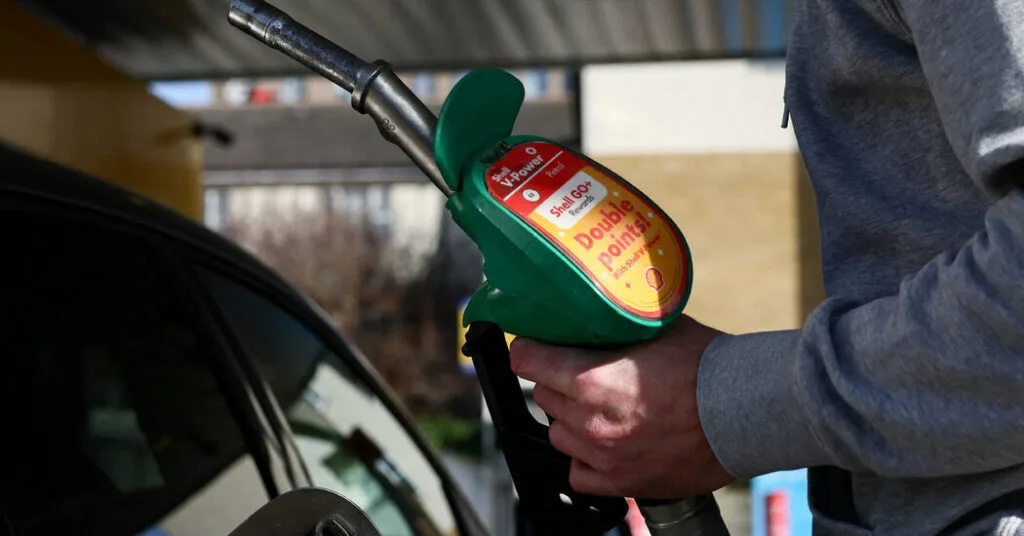
Fuel prices in the United States also edged lower. Gasoline prices dropped by a cent to a national average of $4.03 per gallon, although year-over-year figures remain elevated by about 35 percent due to earlier supply disruptions. Diesel prices fell three cents to $5.16 per gallon but have increased nearly 40 percent since the conflict began. Gasoline prices typically lag crude oil movements by several days, explaining the delayed response.