

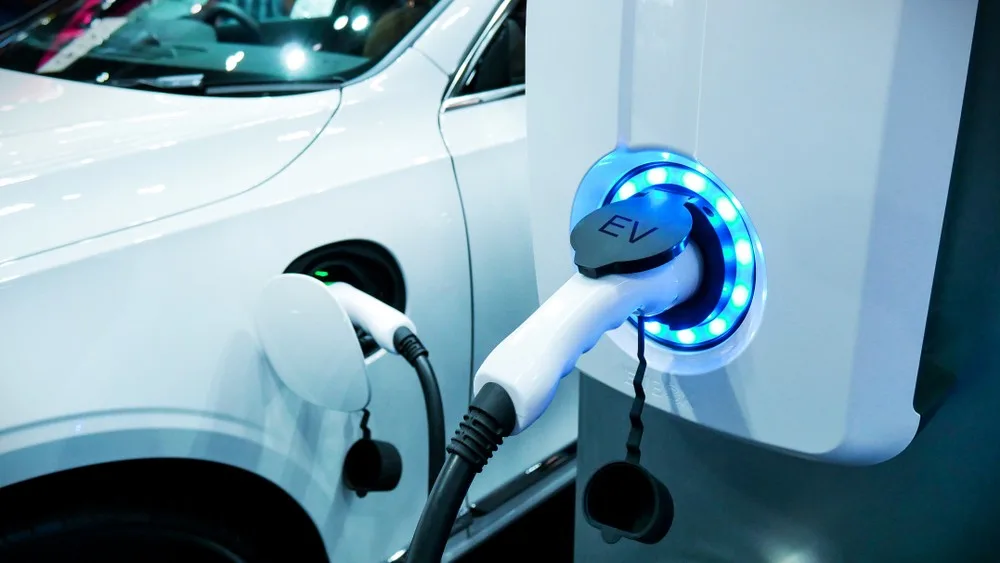
Electric vehicle sales in Europe experienced a robust year-over-year growth of 34%, fueled primarily by soaring oil and fuel prices that intensified consumer interest in alternatives to gasoline-powered cars. This surge coincided with a broader availability of competitively priced Chinese electric vehicles, which have gained strong traction in the market by offering affordable options compared to European models.
European car manufacturers are also benefiting from increased EV demand. Renault, for example, reported a 50% rise in orders for its electric models. However, industry leaders temper enthusiasm, warning that sustained high fuel prices underpin this growth, which may not hold if oil prices retreat. Renault’s chief executive highlighted that the current spike in orders could quickly abate if fuel costs decline. Similarly, Ford’s head of European operations described the recent surge as potentially short-lived despite recognizing growing consumer interest.

The escalation in EV sales follows the energy crunch triggered by disruptions in global oil supply routes, notably the closure of the Strait of Hormuz earlier this year. At that time, monthly EV sales spiked sharply, up 51% compared to the previous year in March, marking the highest growth in recent months. While April and May maintained positive gains around 34%, these were lower than the March peak, reflecting some cooling in momentum as fuel prices eased.
Alongside new vehicles, the market for second-hand electric cars has also expanded, driven by affordability concerns. Older EV models often come at substantially lower prices, appealing to a wider range of buyers adjusting to rising living costs and volatile fuel expenses. A former Nissan executive attributed part of the consumer enthusiasm to the influx of low-cost, high-quality Chinese EVs entering European markets.
This dynamic underscores a complex interplay between global energy markets and automotive demand. As crude oil prices and fuel costs fluctuate, so does the impetus for consumers to switch toward electric vehicles. Governments across Europe continue to offer subsidies to support the transition, but automakers remain cautious about the long-term stability of the current EV sales growth amid uncertain energy price trends.