

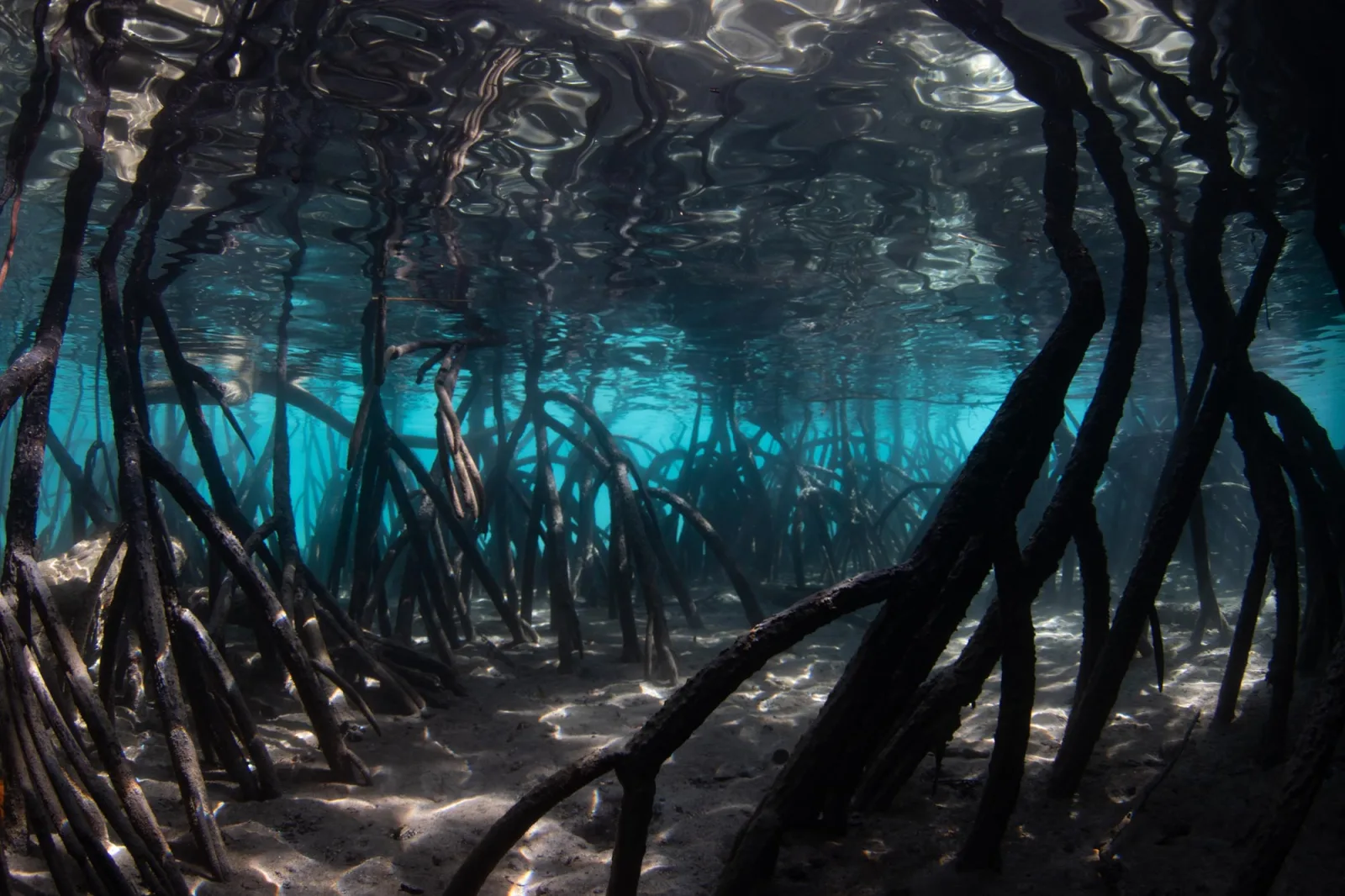
Mangrove forests, known for their exceptional capacity to capture and store carbon, face a growing threat from rising sea levels that may undermine their climate mitigation benefits. These salt-tolerant coastal ecosystems hold a significant share of the ocean’s carbon in their soils despite covering less than 1% of Earth’s surface. However, new studies indicate that increasing flooding and soil erosion caused by sea-level rise could reduce their ability to act as carbon sinks, possibly turning them into sources of carbon emissions.
A collaborative research team from the University of Exeter, alongside partners in Colombia and the United States, developed an innovative modeling approach that assesses entire mangrove forests’ responses to sea-level rise rather than isolated sites. Their integrated model connects water flow, sediment movement, mangrove growth and mortality, and soil composition changes to provide a comprehensive forecast of future carbon storage trends.

The findings suggest that although some mangrove areas might temporarily store more carbon due to rising seas, the overall carbon stored throughout whole forests is expected to decline over the next century. This decline results from increased tree mortality and erosion of carbon-rich soils as sea waters progressively inundate mangrove habitats. Channels that naturally penetrate mangrove landscapes may widen and intensify soil loss, further depleting carbon stocks.
The research challenges earlier studies based mostly on field observations at single sites, which had indicated that higher sea levels could enhance carbon accumulation. Instead, by accounting for spatial variability and ecosystem dynamics across entire mangrove forests, the model reveals a more nuanced and concerning scenario.
Given their disproportionate role in oceanic carbon sequestration, the potential weakening of mangroves’ carbon storage capacity carries significant implications for global climate efforts. Maintaining the health and resilience of these coastal ecosystems will be critical to preserving their function as natural climate allies amid ongoing environmental change.