

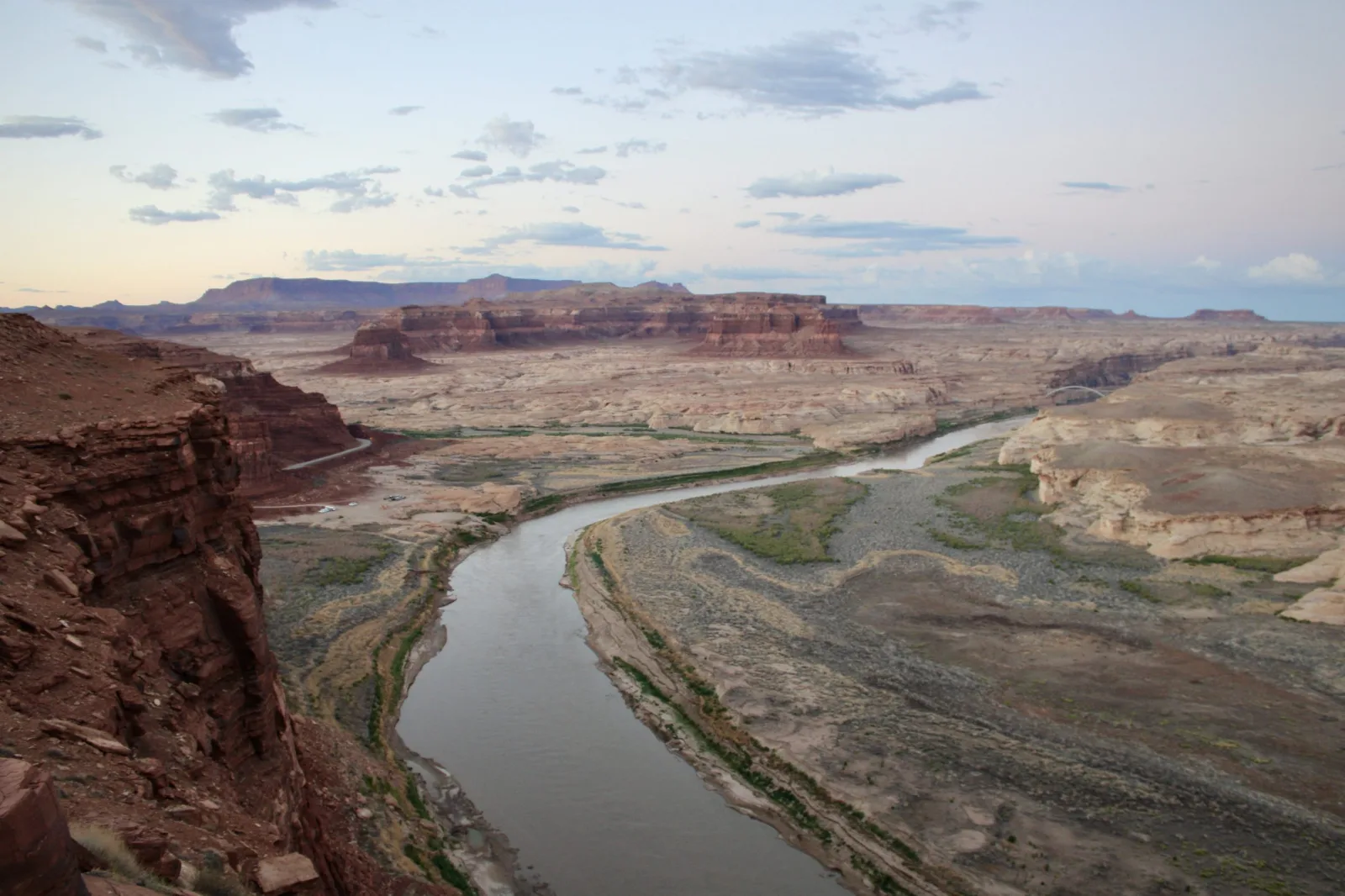
San Diego, historically reliant on the shrinking Colorado River for its water needs, has reversed course and now holds an unexpected surplus of potable water. This shift comes from a strategic investment in desalination and water conservation efforts, positioning the city as a potential supplier rather than just a consumer in the drought-stricken Southwest.
The Claude “Bud” Lewis Carlsbad Desalination Plant, operational since 2015 near San Diego’s coast, filters roughly 100 million gallons of seawater daily, converting about half of it into drinking water. This facility accounts for nearly 7 to 10 percent of the region’s supply, and due to ongoing conservation programs and recycling, the locally generated desalinated water currently exceeds regional demand.

San Diego County Water Authority plans to leverage this excess by swapping its desalinated output for existing Colorado River water stored in Lake Mead. This arrangement would see San Diego increasing its use of desalinated water, allowing the conserved river water to be reallocated to other cities grappling with shortages. Such a “paper exchange” requires approval from federal authorities but promises a novel method to manage scarce water resources without the costs and complexities of physically transporting water over long distances.
This strategy reflects decades of efforts in San Diego to reduce dependence on imported water. Conservation programs since the 1990s, combined with urban and agricultural efficiency improvements, have curtailed usage despite population growth. The approach aims not only to sustain the local population but also to contribute to regional water stability amid prolonged drought.
However, the expansion of desalination as a widespread solution faces criticism. Environmental advocates highlight the high energy consumption and environmental impact of desalination plants, noting that water production costs at the Carlsbad facility run five to ten times higher than river water. Opponents caution that relying heavily on desalination may not be sustainable or scalable for the broader challenges posed by diminishing Colorado River flows.
While San Diego is not considering physical transfers of desalinated water to distant states like Arizona or Nevada, this innovative trade model could provide a blueprint for reducing direct withdrawal from the Colorado River. As states face difficult cutbacks, such creative water management approaches may become increasingly vital.