

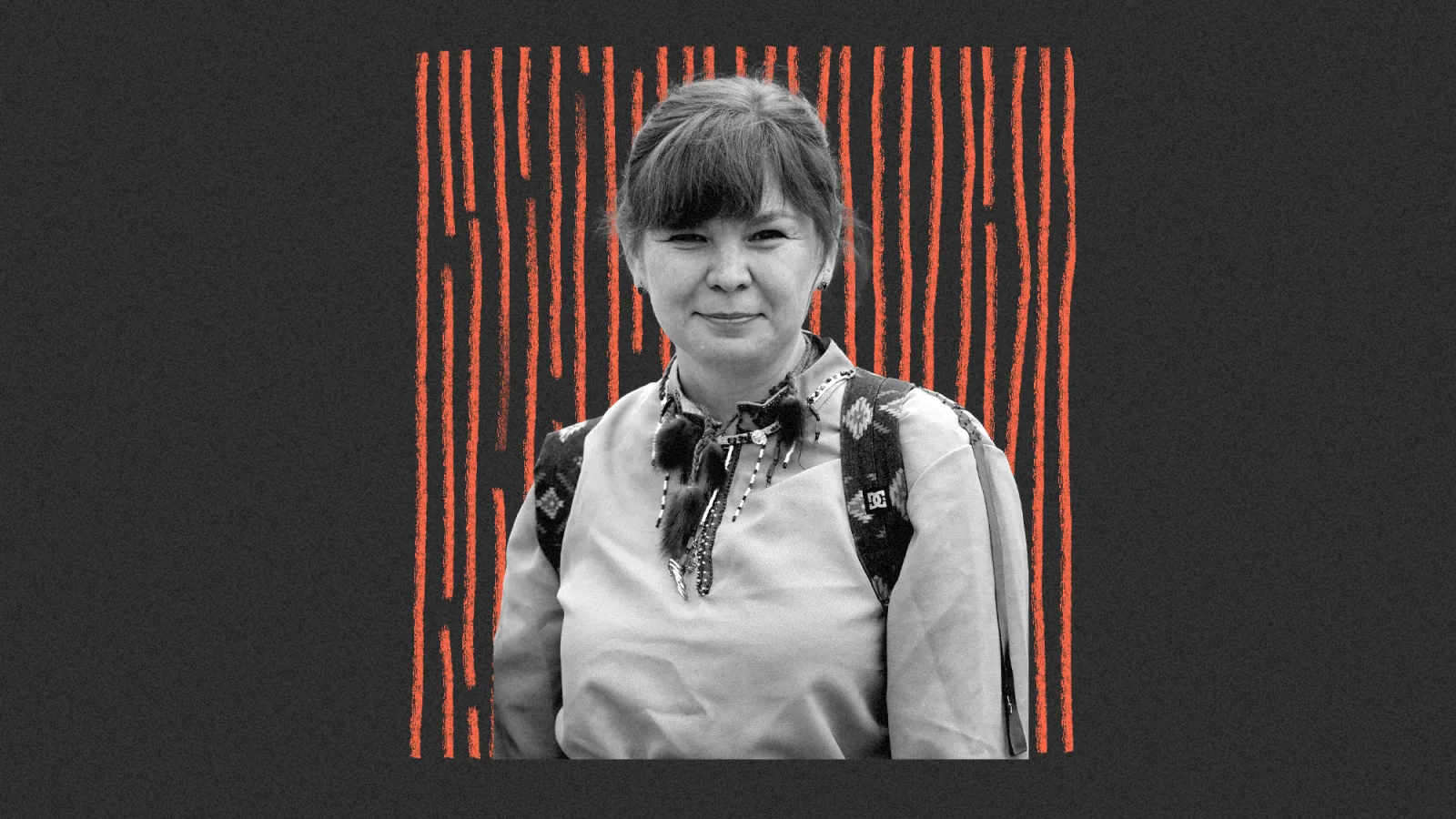
United Nations officials have called on Russian authorities to release Daria Egereva, an Indigenous climate advocate, and her colleague Natalia Leongardt, who have been held in detention for six months under terrorism allegations. The activists face a critical court hearing this week that could result in prison sentences of up to two decades.
Both women were arrested shortly after Egereva returned from the COP30 climate conference, where she emphasized the need for greater Indigenous women’s participation in global climate negotiations. Egereva is Selkup, an Indigenous people of Russia, and co-chairs the International Indigenous Peoples Forum on Climate Change, which amplifies Indigenous voices at UN environmental gatherings. Leongardt has a background working on educational initiatives for Indigenous communities and is a former United Nations intern.

Russian authorities accuse them of ties to a terrorist group due to their previous engagement with the Aborigen Forum, an Indigenous advocacy network that was forcibly disbanded by the government two years ago. However, United Nations experts and international organizations see the charges as politically motivated reprisals for their human rights activities and involvement with UN forums.
In a letter made public this month, the UN special rapporteurs for environment, Indigenous peoples, and human rights condemned the arrests. They demanded the charges be dropped immediately and insisted that Egereva and Leongardt be allowed to continue their legitimate work without fear of harassment. Despite these calls, Russian officials have not issued a response.
Their detention has drawn widespread international concern, with over 100 organizations advocating their release at a recent UN forum on Indigenous issues. Egereva was slated to attend the Bonn Climate Change Conference and play a role in preparations for upcoming COP negotiations, but her imprisonment halted these plans. The case highlights increasing restrictions on civil society and Indigenous activism within Russia amid broader efforts to clamp down on dissent.