

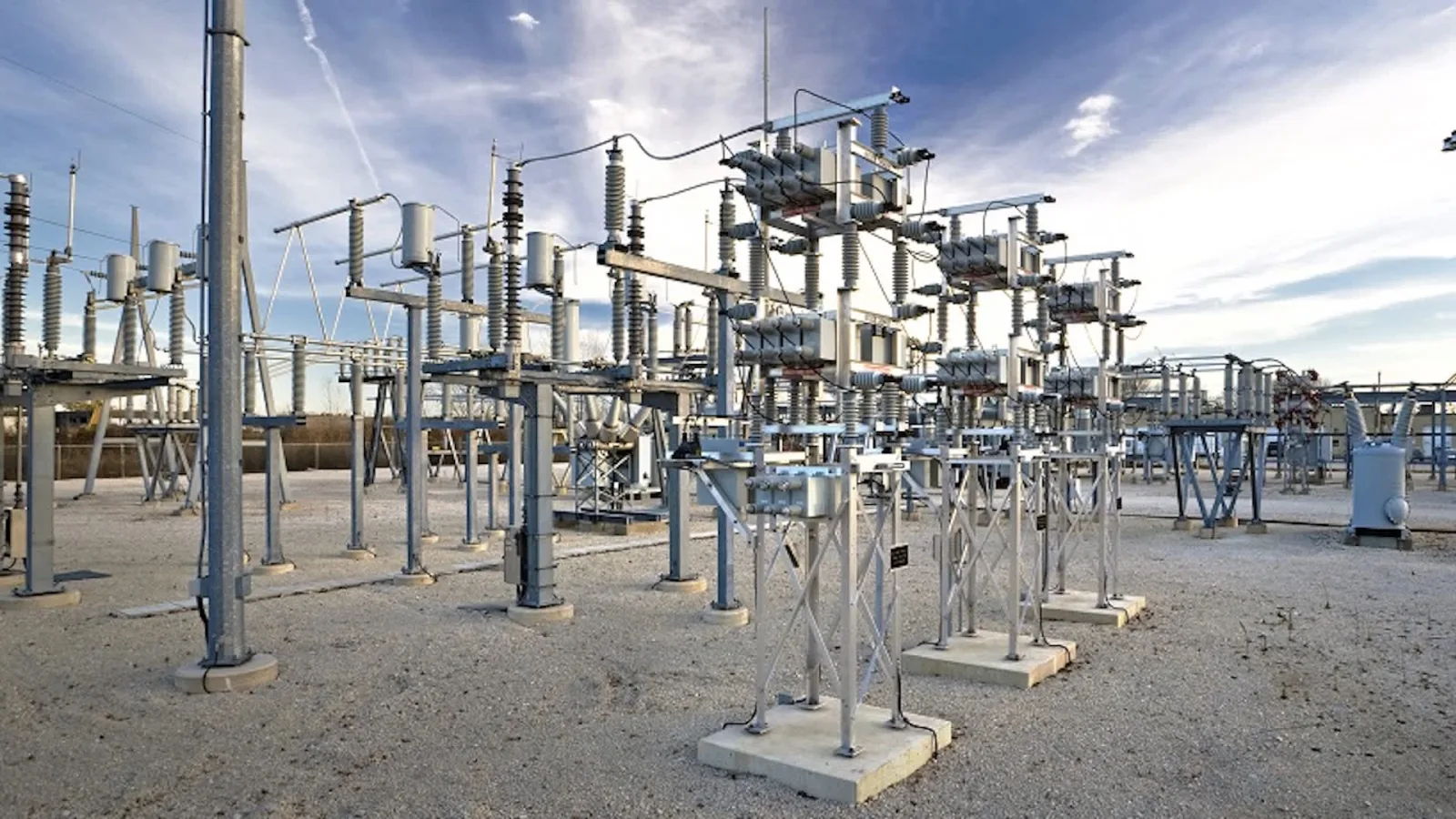
Wisconsin is witnessing a financial standoff over how to allocate the costs and risks associated with powering large AI data centers. The core of the disagreement lies in a recent request by We Energies to the Wisconsin Public Service Commission (PSC) to revisit credit rating standards linked to its special rate for "very large customers," primarily data center operators.
When the PSC approved the rate in April, it placed the responsibility for funding any new power generation specifically serving data centers on those customers. To protect other ratepayers from unforeseen expenses, the commission also set a financial security measure. This requires developers with credit ratings below an A- to supply assurances such as cash deposits or credit lines. Oracle, a key player in a joint project with OpenAI and Vantage at the Port Washington campus, carries a BBB credit rating. Although still investment grade, it falls below the PSC threshold, obliging Oracle’s subsidiary to guarantee upward of $100 million annually before receiving service from We Energies.

The stakes lie in safeguarding regular consumers—households and small businesses—from inheriting high costs if utilities invest heavily in infrastructure tailored to AI data centers that later fail financially. While AI technology offers potential to improve grid management, accelerate clean energy integration, and boost demand forecasting, the rapid buildup of intensive data centers poses challenges. These include increased consumption of electricity and water, cybersecurity risks, and the possibility of elevated utility bills if protections lag behind development speed.
We Energies argues that its current credit rating threshold is overly rigid because companies rated BBB still qualify as investment grade. The utility warns that maintaining the rule could deter significant investment from multiple corporations in Wisconsin. It also maintains that Oracle’s financial risk to other customers is minimal since a catastrophic loss of Oracle’s value would have to occur before creditors or utility customers would face repercussions.
Opponents are less convinced. The Union of Concerned Scientists’ energy analyst Maria Chavez noted distinctions in similar utility agreements, such as Meta’s, emphasizing that Meta does not request additional generation assets. Chavez stressed that higher risks to ratepayers warrant stricter financial safeguards.