

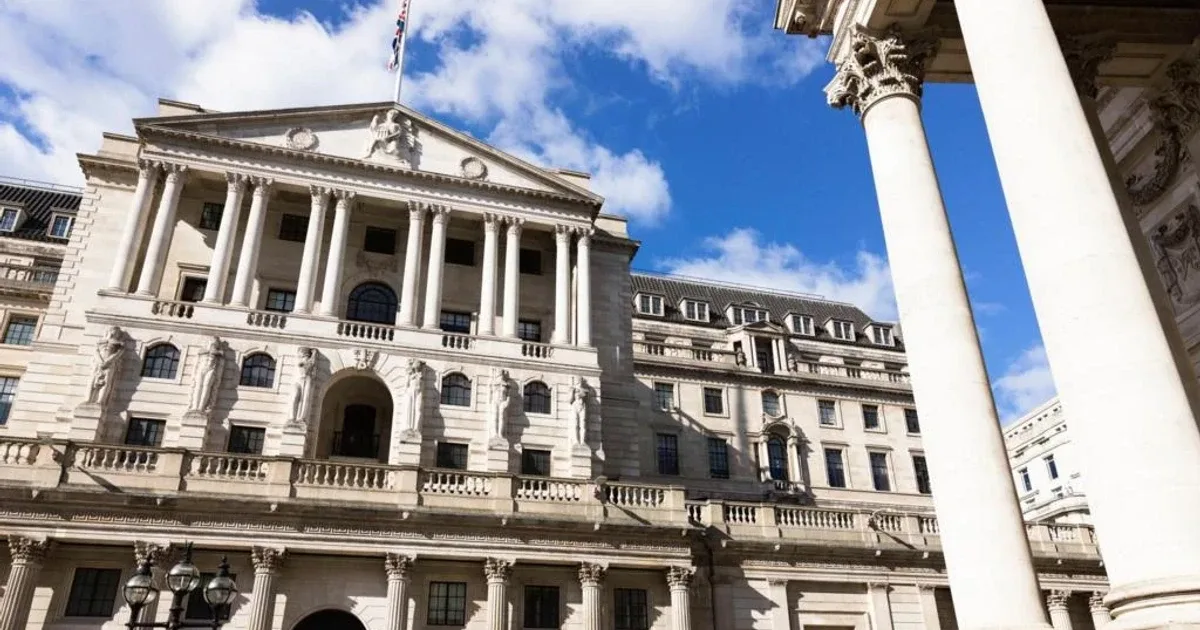
The Bank of England’s Monetary Policy Committee voted to maintain the Bank Rate at 3.75%, with a closely divided seven to two vote exposing significant uncertainty over the future path of inflation. The main debate centers on whether falling global energy prices represent a genuine easing of inflationary pressures or merely a brief respite before another rise.
Two members of the committee opposed the majority by supporting a 0.25 percentage-point increase to 4%, underscoring persistent concerns about upside inflation risks. The committee’s minutes revealed that Governor Andrew Bailey and several colleagues viewed the recent decline in energy prices as a positive development but warned it was insufficient to eliminate the threat of inflation remaining above target for longer than anticipated.

The Bank noted that energy prices had fallen since the last meeting due to geopolitical events in the Middle East, yet they remained elevated compared to pre-conflict levels and continued to be volatile. Inflation stood at 2.8% in May, with forecasts indicating a rise later in the year as the full economic effects of the energy shock play out.
Debate extended beyond interest rate levels and timing. Deputy Governor Sarah Breeden emphasized the need for proactive policy adjustments should second-round inflation effects—such as wage and price increases—start to gather momentum. External member Catherine Mann expressed concern that waiting too long to act might entrench inflation expectations, complicating efforts to bring inflation back to target.
On the other side, Swati Dhingra and Alan Taylor argued that preemptive rate hikes lack sufficient evidence without clearer signs of persistent price pressures. Meanwhile, six members, including Bailey, Breeden, Dhingra, Clare Lombardelli, Dave Ramsden, and Taylor, acknowledged that underlying disinflation trends had been occurring before recent geopolitical tensions, though uncertainty about the impact of energy costs and inflation expectations remained.
For households and businesses, this means interest rate decisions will remain highly dependent on incoming data. A return to rate cuts would likely need strong evidence that inflation is cooling sustainably and that energy price volatility no longer threatens broader price stability. Conversely, sustained volatility in energy markets, an uptick in inflation expectations, or emerging second-round effects could delay any easing.
Borrowers sensitive to interest rates, such as mortgage holders, should not expect immediate relief, while currency markets are poised to continue pricing in a cautious stance from the Bank rather than signaling imminent easing.
The Bank’s current strategy aims to manage the adjustment to higher energy prices in a way that keeps inflation anchored around its 2% target over the medium term. This cautious approach aligns the Bank of England’s policy stance closely with that of the Federal Reserve, which also maintained its rates at its recent meeting. The next rate decision is scheduled for late July.