

European stock markets opened lower, reflecting investor caution following the Federal Reserve’s recent signals that interest rates could rise again. The STOXX 600 index declined modestly, illustrating how U.S. monetary policy continues to influence risk sentiment across European markets despite subdued local economic data.
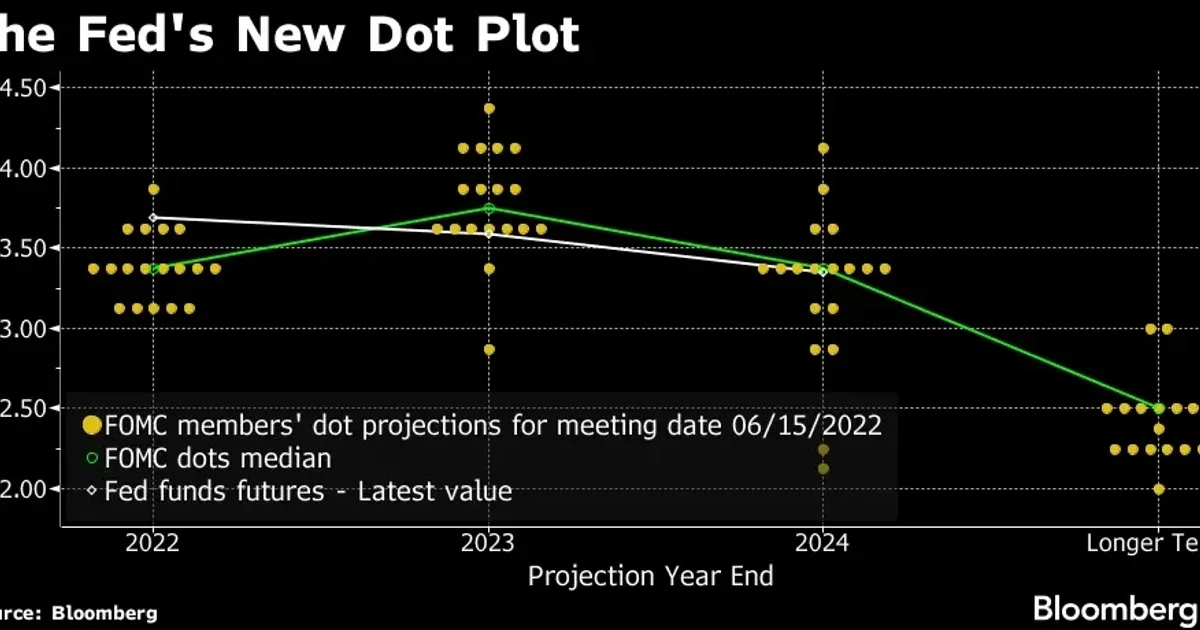
The Federal Reserve kept its benchmark interest rate range steady but projected a higher terminal rate than previously indicated, with several policymakers anticipating at least one rate increase next year. This hawkish stance heightened concerns about sustained elevated borrowing costs, which can tighten financing conditions worldwide and weigh on equity valuations—particularly for sectors sensitive to economic cycles and exports.

European markets faced additional pressure despite a recent easing in oil prices, which only partially relieves inflation and cost pressures. Commodity-linked sectors, such as basic resources, were among the weakest performers, highlighting the vulnerability of these industries to shifts in interest rate expectations and global demand outlooks. This trend aligns with the European Central Bank’s ongoing tightening measures; in mid-June, the ECB raised its key policy rates again to counter inflationary pressures amid geopolitical uncertainties.
While the broader market remained cautious, one notable exception was Edenred, which surged sharply after reports emerged of a potential takeover offer by BC Partners. This jump stood out given the company’s recent removal from France’s CAC 40 index following previous declines and regulatory challenges. The large gain underscored how individual corporate news can buck broader market trends on any given day.
Overall, the European stock decline was subtle but indicative of a wider global reassessment of risk assets driven primarily by the Federal Reserve’s more aggressive outlook. Investors continue to weigh the implications of prolonged high interest rates on growth prospects and market valuations, maintaining a cautious approach as central banks in both the U.S. and Europe navigate uncertain economic conditions.