

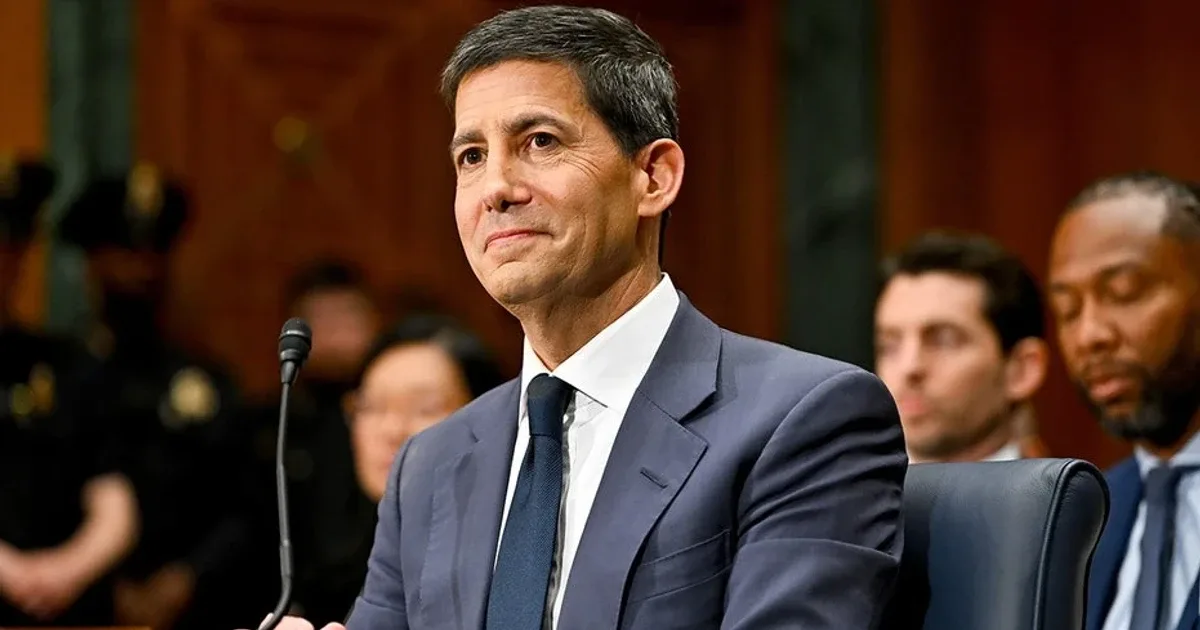
The Federal Reserve, under its new chair Kevin Warsh, faces a challenging inflation backdrop as it recently assessed interest rate policy amid rising prices and sustained economic pressure on borrowers. The Consumer Price Index (CPI) increased by 0.5% in May and showed a sharp annual rise of 4.2%, marking the highest year-over-year increase since 2023. Energy costs surged by nearly 4% in the month and soared 23.5% over the previous year, maintaining strong upward pressure on household expenses.
Warsh took over from Jerome H. Powell after being nominated earlier in the year and confirmed by the Senate. His first policy decision comes at a time when inflation remains notably above the Federal Reserve’s 2% target, with core inflation indicators signaling persistent price pressures. The Atlanta Fed’s recent inflation dashboard recorded core CPI at 2.9% and core Personal Consumption Expenditures (PCE) at 3.3%, reflecting steady underlying inflation that complicates the possibility of easing monetary policy.

The impact of the Fed’s decision is immediate for consumers relying on revolving credit. Many short-term consumer loan rates track the prime rate, which typically exceeds the federal funds rate by about three percentage points, keeping credit cards, home equity lines, and personal loans costly. For households still carrying balances from previous months of high essential costs—rent, food, and energy—the burden remains significant if rates hold steady.
Mortgage borrowers encounter a more indirect yet significant impact. Though thirty-year mortgage rates do not move directly in tandem with the federal funds rate, inflation expectations and policy outlook strongly influence them. With core inflation elevated, lenders have little incentive to reduce mortgage rates quickly, holding monthly payments high. Similarly, auto loan interest rates adjust slowly, extending the pressure on car buyers even without immediate policy hikes.
Savers see modest benefits as banks usually increase deposit yields at a slower pace than lending rates. Although savers may now earn more compared to pre-tightening periods, their yields frequently fail to match inflation growth, eroding real returns. Small businesses face ongoing challenges with credit lines and equipment loans that adjust rapidly alongside the prime rate, constraining financing options in a high-rate environment.
The Federal Open Market Committee meets regularly to evaluate economic conditions, with minutes released weeks after decisions. For consumers navigating today’s inflationary pressures, the takeaway is clear: as long as inflation remains above the target, borrowing costs will stay elevated, limiting immediate relief despite stagnant policy rates.