

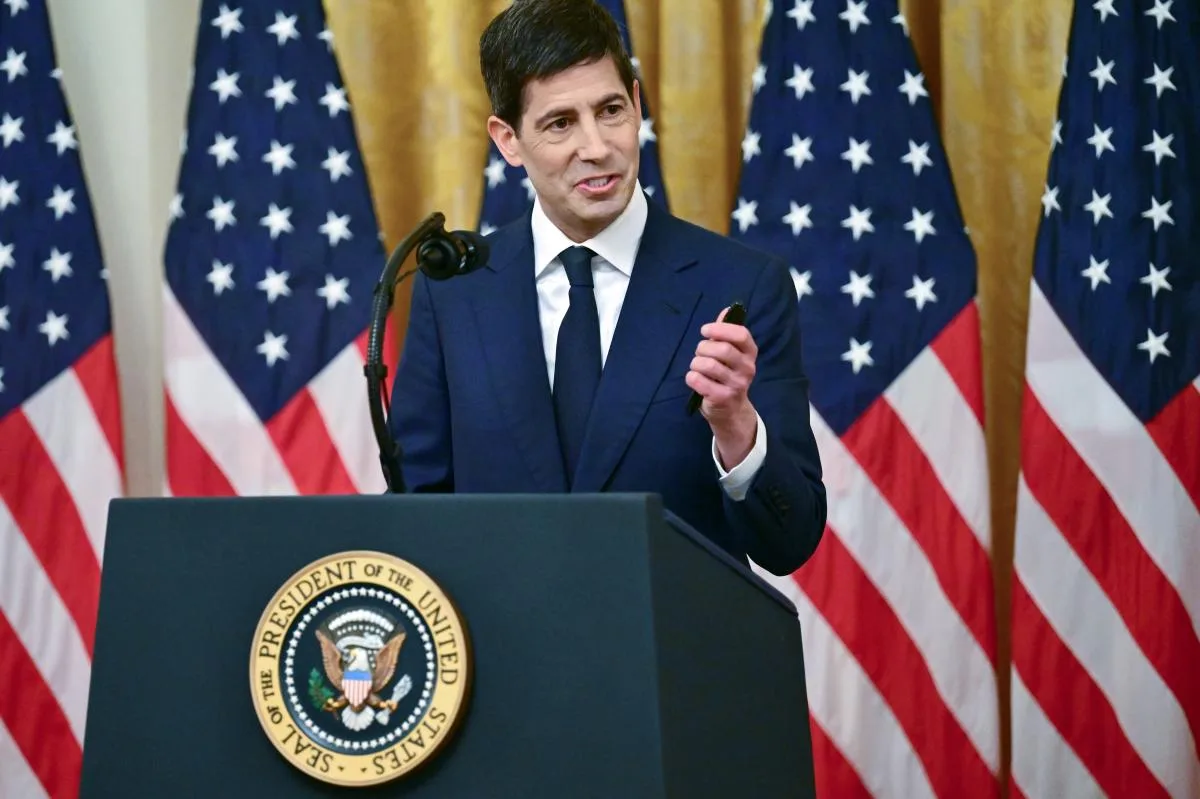
The Federal Reserve paused its interest rate adjustments under new Chairman Kevin Warsh, maintaining the benchmark rate between 3.5% and 3.75%. This marks the first unanimous rate decision since the previous June and indicates a more cautious and hawkish approach amid ongoing economic challenges.
Warsh’s Fed reversed previous expectations of rate cuts this year, now projecting a slight increase rather than reductions. Earlier forecasts from March had anticipated a quarter-point rate cut, but current signals point to one potential hike instead. This shift reflects concern over inflation pressures that remain elevated, influenced in part by sustained energy supply disruptions caused by the war in Iran.

The Fed’s statement highlighted steady economic expansion and a stable unemployment rate but emphasized inflation’s persistence above desired levels. The Iran conflict has severely disrupted energy supplies, driving gasoline prices to heights unseen in recent years. Although a tentative agreement to reopen the Strait of Hormuz was announced, analysts caution that it may take months for energy markets to stabilize and for inflationary pressures to ease.
Financial markets reacted with subdued volatility: the Dow Jones Industrial Average held steady, while the S&P 500 and Nasdaq dipped modestly. Notably, the Fed’s policy statement was shorter and less detailed than usual, reflecting Chairman Warsh’s long-standing criticism of overly explicit forward guidance from central bankers. An unnamed Fed official—likely Warsh—was absent from the typical “dot plot” projections, signaling a more reserved approach to communicating future rate moves.
These developments come against a backdrop of political pressure from the White House, where efforts have been ongoing to push for rate cuts. However, persistent inflation fueled by geopolitical tensions and energy challenges has shaped a more cautious monetary policy stance under Warsh’s new leadership.