

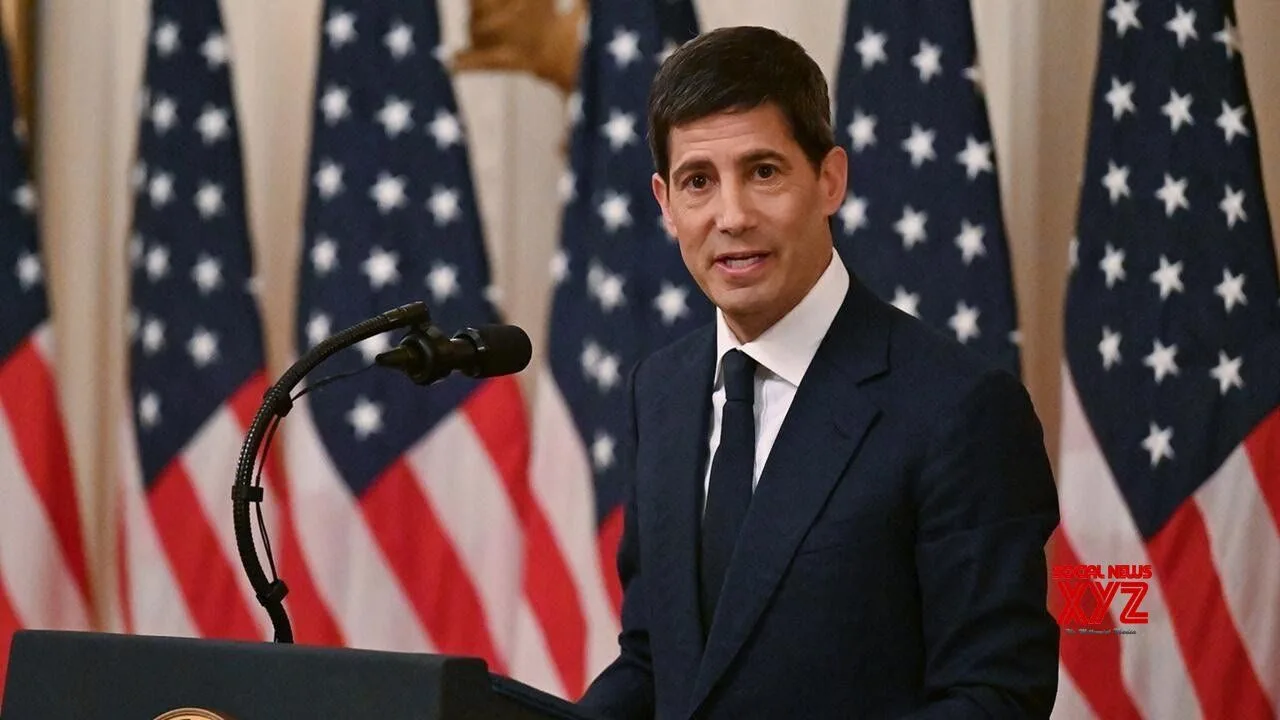
The Federal Reserve opted to keep interest rates unchanged in its first policy move since Kevin Warsh assumed the position of chair. This marks a cautious approach as the new leadership begins steering monetary policy amid ongoing economic uncertainties.
By holding rates steady, the Fed signals its intent to monitor economic indicators closely before making further adjustments. The decision comes as markets weigh various pressures, including inflation trends and global economic developments.

Kevin Warsh’s appointment as chair represents a significant leadership change. His initial decision to maintain current rates suggests a measured stance, prioritizing stability and data-driven evaluations over abrupt policy shifts. This approach aims to provide clarity to investors and consumers navigating the current financial landscape.
The Federal Reserve board’s rate decision applies to the benchmark federal funds rate, which influences borrowing costs and economic activity nationwide. Keeping the rate steady aims to balance sustaining growth while managing inflation risks.
As chair, Warsh inherits the challenge of guiding the economy through a period marked by mixed signals. Observers will watch future Federal Reserve meetings closely for indications on whether rate hikes or cuts might resume.