

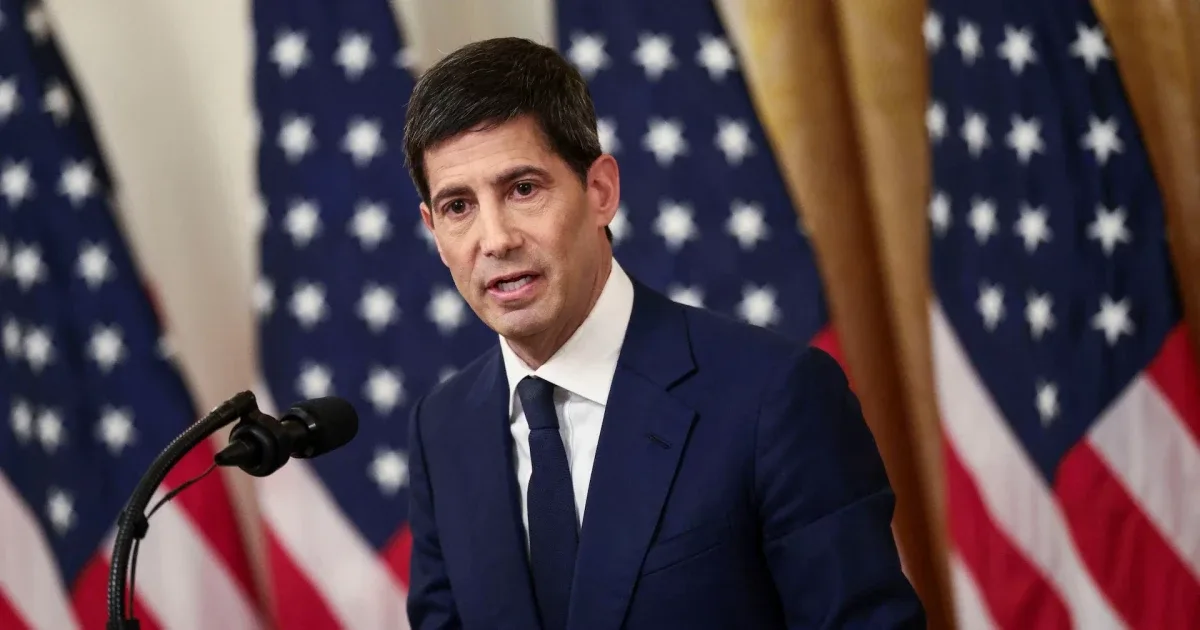
Global markets showed cautious optimism as investors positioned themselves ahead of Kevin Warsh’s debut as the Federal Reserve chair. Stocks edged upward while oil prices hovered near their lowest level in months, reflecting a tentative easing of inflation concerns and subdued risk appetite.
Brent crude oil dropped to around $77.75 a barrel before stabilizing near $79.29, marking a significant decline from its April highs. This dip came amid reports of an impending interim peace agreement between U.S. and Iranian officials, which could ease tanker traffic through the critical Strait of Hormuz. Such a resolution would likely increase oil supply, further softening energy prices on the global stage.

The Federal Reserve recently maintained its benchmark interest rate between 3.5% and 3.75%, signaling the possibility of additional tightening later in the year. However, nine out of 18 Federal Reserve policymakers anticipate at least one rate increase planned for 2026. Notably, Warsh refrained from releasing a personal rate projection, instead announcing five new task forces focused on modernizing Fed operations, policy communication, balance sheet management, data analysis, productivity and employment, and emerging technologies like artificial intelligence.
Markets responded swiftly to these signals. U.S. Treasury yields remained well below their recent May highs, while European bonds rallied strongly. German 10-year yields fell to levels not seen since early April, and British government bonds also strengthened after inflation in the U.K. unexpectedly held at a 13-month low of 2.8% in May. These developments underline a gradual easing of inflation pressures driven largely by lower energy costs.
Softer oil prices and declining yields hold practical implications beyond financial markets. Reduced energy costs can ease borrowing expenses and support equity valuations. For consumers, these changes may translate into lower fuel prices and more stable household budgets—factors crucial for decisions on refinancing, investing, and daily expenses like summer travel.
Despite these positive signals, questions remain about the durability of this environment given ongoing geopolitical and policy uncertainties. The Federal Reserve’s direction under Warsh’s leadership will be closely watched for clues on how inflation management and rate policies might adapt in a rapidly shifting economic landscape.