

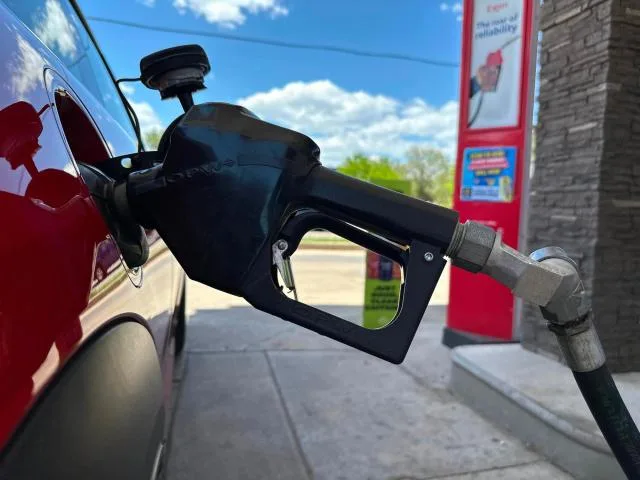
Inflation climbed to its highest level in three years last month, primarily driven by a sharp increase in gasoline prices. This surge presents a renewed challenge for economic policymakers and adds pressure on households already contending with rising living costs.
Consumer prices rose significantly year-over-year, with the Labor Department reporting an acceleration from the previous month’s reading. On a monthly basis, prices continued to increase, reflecting ongoing inflationary pressures fueled in part by global disruptions to oil supplies. The closure of the Strait of Hormuz amid escalating tensions in Iran severely restricted oil flow, pushing pump prices up from roughly $4.04 to $4.49 per gallon within a short period.

Though gas prices have begun to retreat slightly in early June, the spike in fuel costs has had ripple effects across the economy. Elevated diesel prices have raised shipping expenses, prompting major carriers to impose fuel surcharges. This development has contributed to a rise in grocery bills, which have already seen notable increases both monthly and annually.
Excluding the volatile energy and food sectors, core inflation showed a modest rise, with prices creeping higher but at a slower monthly pace than in previous months. However, this steadiness does little to offset the broader inflationary trend that disturbs consumer budgets and shakes market confidence.
These inflation dynamics have shifted the outlook among Federal Reserve policymakers. Where earlier forecasts anticipated interest rate reductions, sentiment has turned toward potential hikes aimed at curbing rising prices. The central bank’s future moves will directly impact borrowing costs for mortgages, cars, and businesses, affecting economic growth trajectories.
While inflation pressures mount, labor market indicators continue to show resilience, with signs of improvement in hiring. This mixed picture complicates the Federal Reserve’s balancing act between fostering economic expansion and controlling inflation.