

Inflation climbed steadily for a third month, surpassing 4% year-over-year, driven largely by escalating energy and food prices linked to the ongoing conflict in Iran. The surge marks the highest inflation rate since April 2023 and reflects significant economic pressures felt by U.S. consumers.
The conflict led Iran to close the Strait of Hormuz, a crucial maritime corridor responsible for transporting nearly one-fifth of the world’s oil supply. This disruption triggered one of the largest oil shocks in recent history, pushing energy prices up sharply. In May, energy costs—including gasoline—rose by 23% compared to the previous year. Gasoline prices alone increased nearly 40% since the war began in late February, reaching an average of $4.15 per gallon.

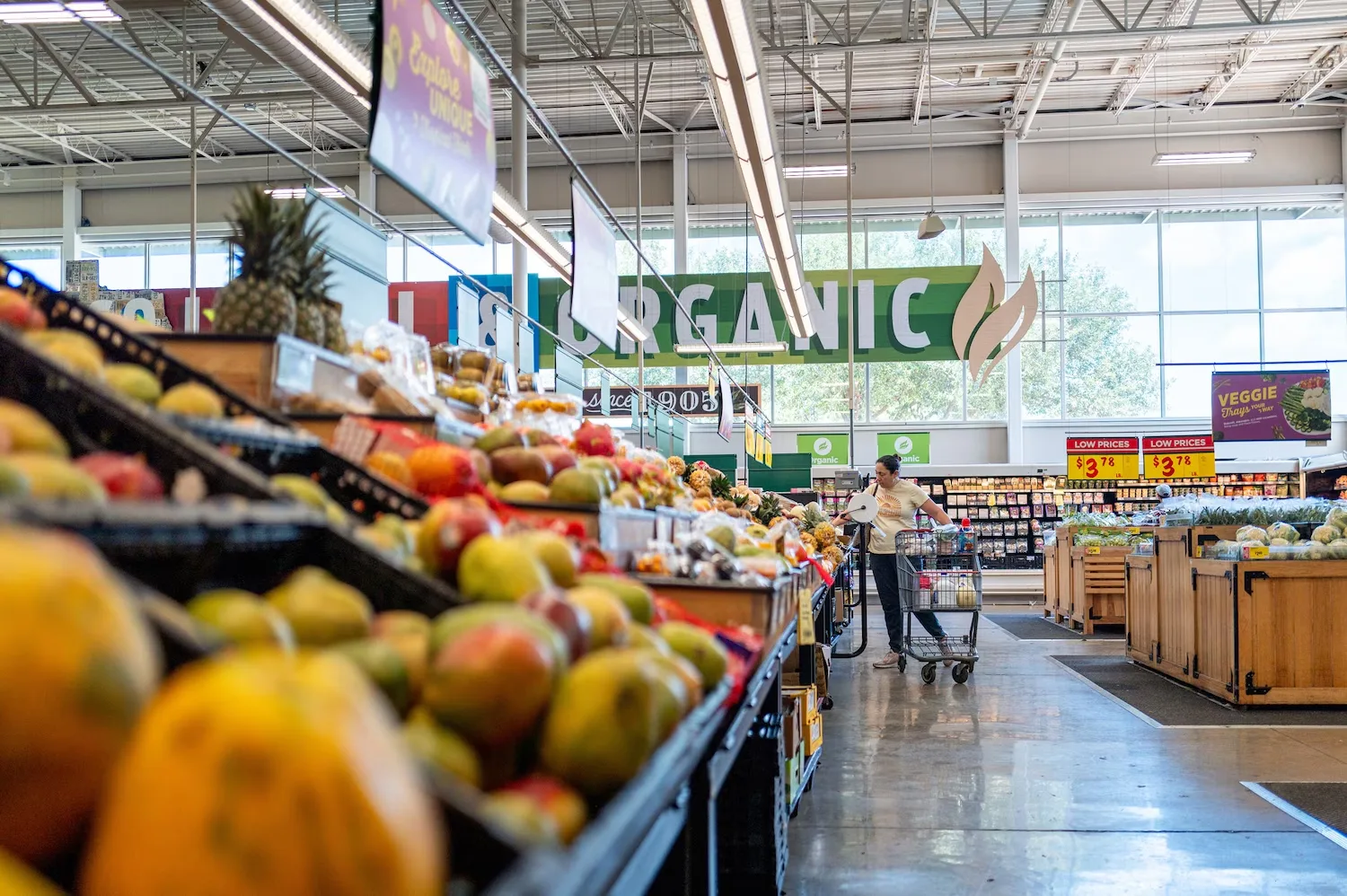
Rising fuel prices have also hit the food supply chain hard, leading to notable price increases in grocery stores. Diesel, essential for trucking and shipping food products, became more expensive, driving up costs for consumer staples. Government data highlighted significant price jumps for fresh produce and meat, with tomato prices soaring 32%, seafood rising 6%, and beef climbing close to 13% over the past year.
This inflationary trend is squeezing household budgets, with consumer sentiment hitting record lows in May according to the University of Michigan’s longstanding monthly survey. Many shoppers report difficulty managing the sharp rise in costs for essentials such as food, gasoline, and healthcare. Notably, inflation has outstripped wage growth for two consecutive months, eroding real wages and reducing the purchasing power of average American workers.
The persistent upward pressure on prices has increased speculation that the Federal Reserve may tighten monetary policy further to curb inflation. However, with energy prices vulnerable to ongoing geopolitical tensions, the inflation outlook remains uncertain.