

Inflation climbed sharply last month, marking the fastest price gains in three years and complicating the outlook for the U.S. housing market. The Consumer Price Index rose to 4.2 percent year-over-year in May, up from 3.8 percent in April, signaling persistent inflationary pressures that could keep borrowing costs elevated longer than expected.
This increase coincides with growing concerns that the Federal Reserve will not ease monetary policy soon. Economists interpret the data as reducing the likelihood of near-term interest rate cuts, which typically help lower mortgage rates and stimulate home buying. Instead, some analysts now suggest the Fed might consider raising rates again to combat inflation, posing additional challenges for buyers already strained by high home prices and rising loan costs.

Energy prices played a significant role in the inflation spike, surging nearly 4 percent in May due to ongoing disruptions in global oil markets linked to the conflict in the Middle East and uncertainty over shipping lanes through the Strait of Hormuz. Gasoline prices have climbed nationally, directly impacting consumers’ wallets at the pump. Beyond energy, shelter costs rose by 3.4 percent year-over-year, while food prices saw modest monthly increases, adding to the rising cost of living.
Notably, real wages declined slightly last month as gains in earnings failed to keep pace with inflation, eroding household purchasing power amid these higher expenses. This dynamic deepens affordability challenges in the housing market, where buyers face the dual burden of high home prices and stubbornly high mortgage rates.
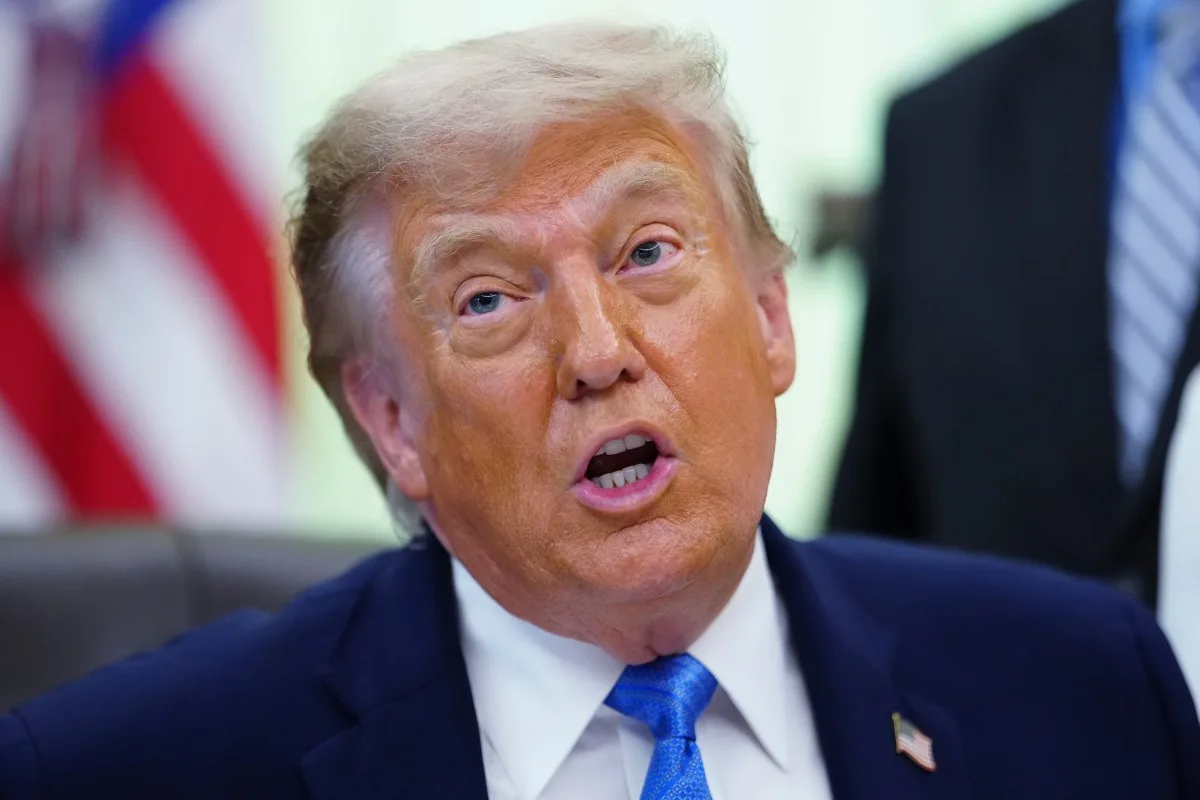
Despite advocating for lower consumer costs in his 2024 campaign, President Donald Trump expressed enthusiasm over the inflation report, noting actions taken to move oil tankers through the Strait of Hormuz to alleviate energy prices over time. He predicted that once geopolitical tensions ease, oil prices would fall sharply, potentially easing inflationary pressures in the future.
The upcoming Federal Reserve policy meeting, the first with new Chairman Kevin Warsh, will closely analyze these inflation trends. Market watchers expect that the central bank will maintain or possibly increase interest rates as it balances growth concerns with the imperative to tame inflation.