

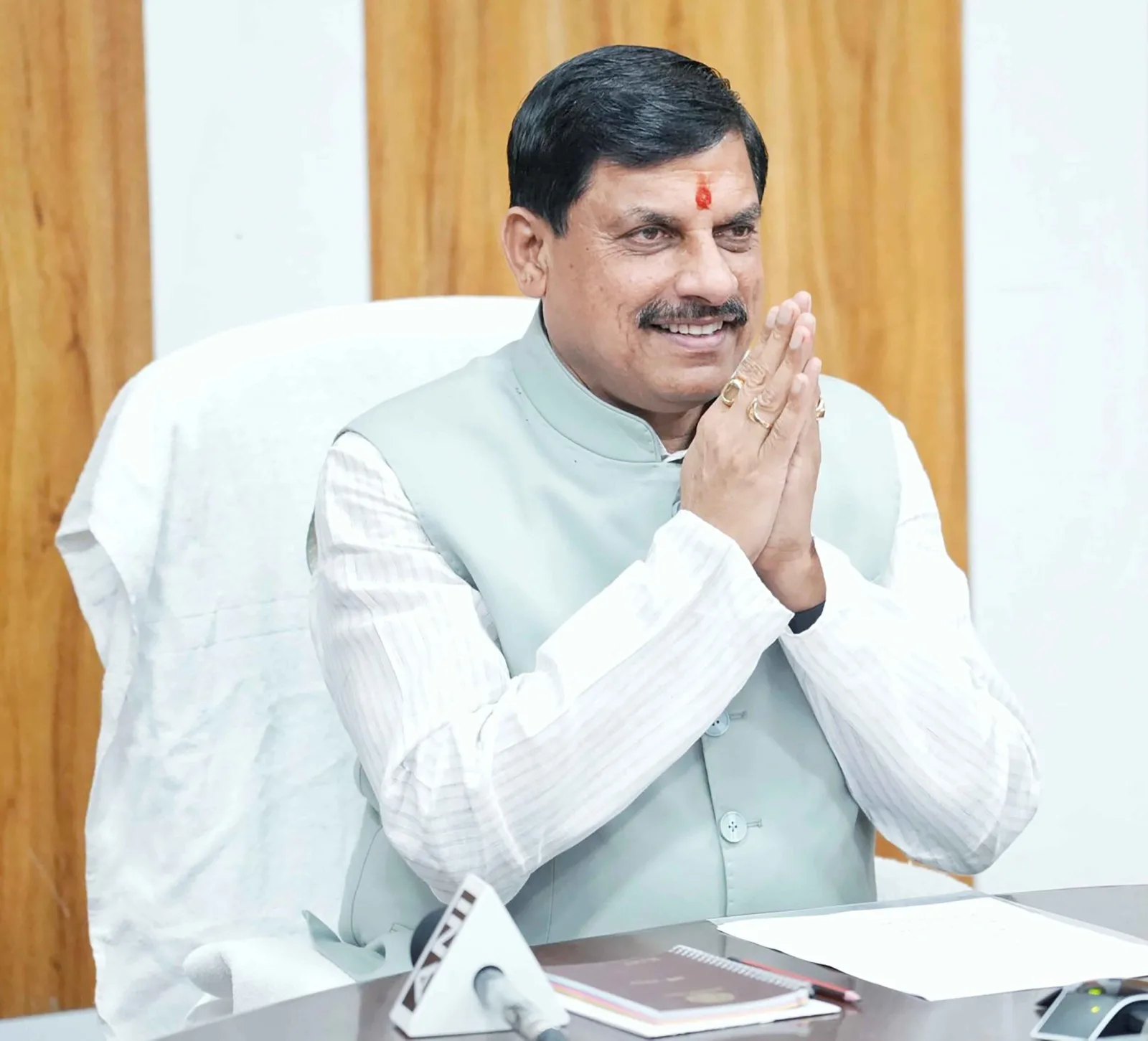
Madhya Pradesh’s government has ended the 23-year-old two-child rule that disqualified individuals with more than two children from being eligible for government jobs and promotions. This policy, introduced as a population control measure in 2001, had excluded many aspirants and affected serving employees facing disciplinary actions for violating the rule.
The Chief Minister ordered the General Administration Department (GAD) to remove all clauses related to this restriction from the Madhya Pradesh Civil Services Rules and withdraw the draft provisions currently available on the state’s official portal. The rule deemed candidates ineligible for direct appointment and departmental promotions if they had more than two living children as of January 26, 2001.

Under the earlier framework, having more than two children was considered misconduct under the Civil Services Conduct Rules of 1965. This classification exposed government employees to disciplinary proceedings if they had a third child after the stipulated date.
As a result of the policy change, thousands of potential candidates who were previously barred will now be able to apply for government jobs without restrictions linked to family size. Employee unions had repeatedly pushed for this reform, citing the outdated nature of the rule and the burden it placed on families.
The government has clarified that the withdrawal of the draft rule means the two-child limitation will not be enforced during ongoing and future recruitment cycles, pending the formal notification of revised Civil Services Rules. The updated rules will be prepared after a thorough review and made available to the public for feedback before final approval.
This move constitutes one of the most significant changes to service conditions in Madhya Pradesh’s public sector in decades. Since its inception, the two-child condition had been explicitly mentioned in every recruitment advertisement and used as a disqualifier in eligibility criteria.