

Consumer inflation climbed 4.2% over the past year through May, the fastest pace since April 2023, complicating the Federal Reserve’s outlook on monetary policy and reducing the likelihood of a rate cut at its upcoming meeting.
Monthly inflation advanced 0.5%, driven largely by a sharp increase in energy costs. The energy sector alone accounted for over 60% of May’s overall price rise, with gasoline prices playing a significant role. Meanwhile, shelter costs rose modestly by 0.3%, and food prices edged up 0.2%, reflecting persistent inflationary pressures across essential household expenses even after the steep post-pandemic price surge leveled off.

Core inflation, which excludes volatile food and energy prices, showed more moderate growth, increasing 0.2% for the month and 2.9% annually. Despite this, the broader inflation trend remains well above the Federal Reserve’s 2% target, indicating that borrowing costs such as mortgages, credit cards, and auto loans may stay elevated unless policymakers take action.
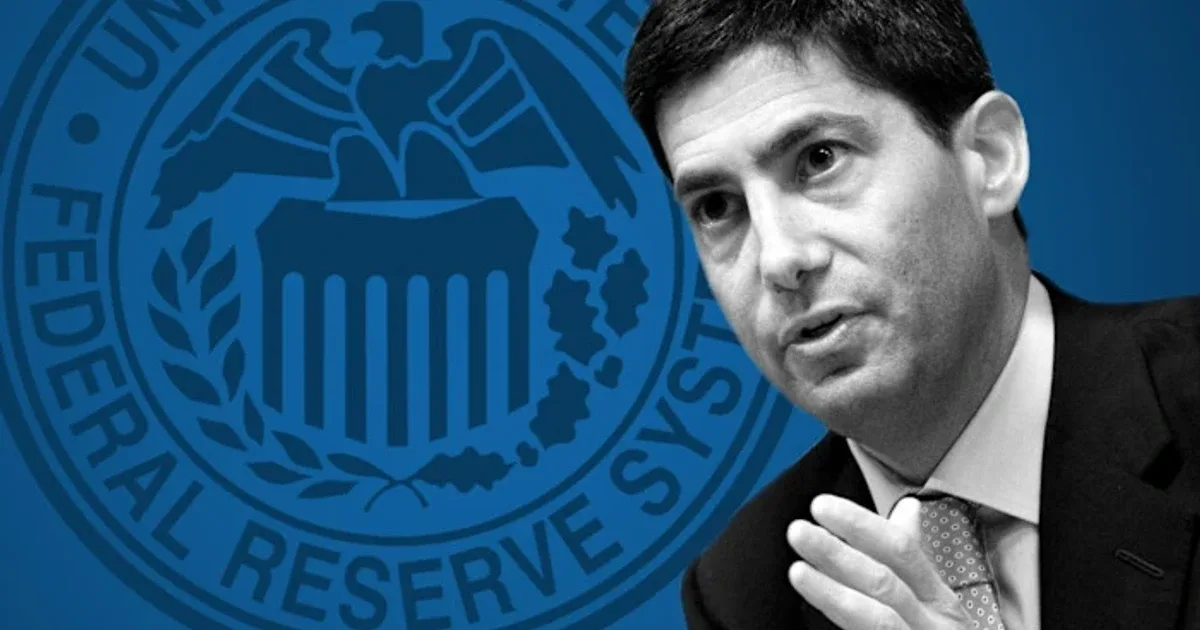
The report arrives just days before the Federal Open Market Committee’s meeting, which will be the first chaired by Kevin M. Warsh. The meeting includes a press conference and updated economic projections, offering critical insight into the Fed’s future interest rate path. The fresh inflation data adds pressure on Warsh as markets re-evaluate the likelihood of easing monetary policy soon.
Market participants may now delay expectations for interest rate reductions, with some even considering the possibility of hikes later in 2026. This shift contrasts sharply with earlier hopes for easing and will be an early challenge for Warsh’s leadership amid ongoing price pressures.