

Inflation in the United States climbed above 4% in May, hitting its highest point in three years as energy prices surged sharply amid tensions surrounding Iran. The Consumer Price Index (CPI) rose 0.5% from April, while annual inflation reached 4.2%, matching economists’ forecasts but signaling a clear acceleration from the previous month’s 3.8% rate.
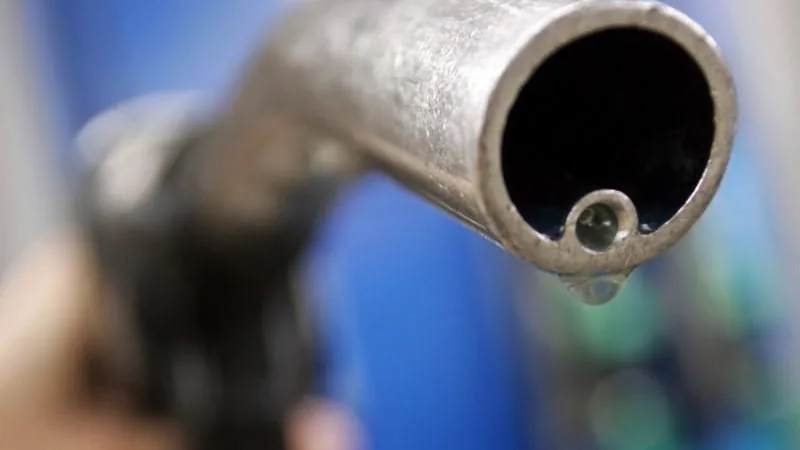
Energy costs were the dominant force behind the inflation uptick. The Bureau of Labor Statistics reported a 3.9% increase in energy prices for the month, with an annual rise of 23.5%. This category accounted for approximately 60% of the monthly CPI increase, reflecting the significant impact of elevated oil prices following the onset of the conflict in the Middle East. Crude oil prices hovered near $90 per barrel at the time, fueling concerns that consumer prices could remain elevated during the second half of 2026.

Despite the sharp rise in energy costs, inflation outside this sector remained relatively moderate. The core CPI—which excludes volatile food and energy prices—increased only 0.2% in May and stood at 2.9% annually. Food prices edged up 0.2%, and shelter costs rose by 0.3%. Meanwhile, prices for core commodities dropped slightly by 0.1%, suggesting that inflationary pressures are concentrated primarily in energy.
These figures present a challenge for the Federal Reserve as it prepares for its upcoming policy meeting. While financial markets largely anticipate that interest rates will stay steady, the renewed strength in inflation—led by energy—complicates decision-making. Research from the Federal Reserve Bank of Boston indicates the current spike in oil prices might add about 1.5 percentage points to inflation over the next year.
However, economists note that unlike the oil shocks of the 1970s, the U.S. economy is better positioned to absorb higher crude prices due to its role as a major oil producer and exporter. Modern oil price increases tend to show up more in consumer prices than in employment losses or recessionary impacts. The latest inflation data suggests this dynamic is already at work.