

The United States experienced a significant spike in inflation last month, with consumer prices increasing at their fastest rate in three years. The rise, mainly fueled by escalating energy costs linked to the US-Iran conflict, heightened economic pressures on American households.
According to data from the Bureau of Labor Statistics (BLS), the Consumer Price Index (CPI) climbed by 4.2% in May compared to the previous year, up from 3.8% in April. Rising petrol prices accounted for a substantial part of this increase as the geopolitical tensions disrupted global oil supplies.

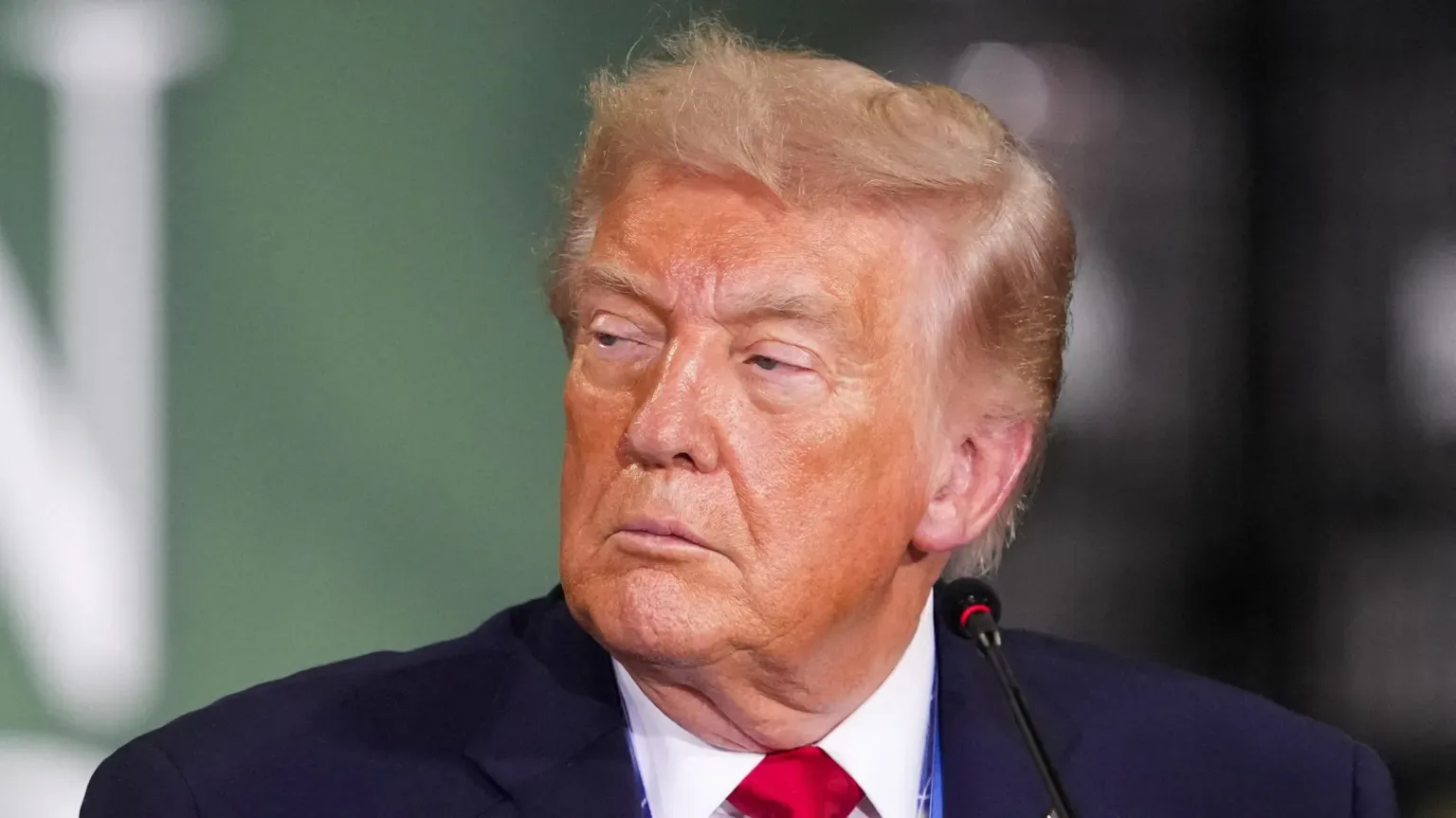
In an unexpected stance, President Donald Trump declared he "loves the inflation," citing the recent figures as positive, despite broader economic concerns. Speaking at the White House, he attributed the inflation rise to the ongoing war with Iran but assured that prices would "come down like a rock" once the conflict ends. Trump later highlighted recent US military actions targeting Iranian oil infrastructure, claiming these efforts led to a slight dip in oil prices.
The president pointed to a recent visit to Iowa where petrol prices were $1.85 per gallon in early 2026, pledging that such levels would return shortly. However, global oil prices, as measured by Brent crude, remain substantially above pre-war benchmarks.
Trump clarified to the New York Post that his remarks were misunderstood, explaining he meant inflation was "much lower than anticipated," even in the context of the Iranian conflict. Still, May marked the third consecutive month with climbing consumer prices, reflecting ongoing strain from energy and other sectors.
The inflation uptick rekindles political challenges for Trump ahead of the midterm elections, as voters continue to prioritize economic stability. Higher inflation typically prompts the US Federal Reserve to consider raising interest rates to restrain consumer spending, adding complexity to federal economic policies.
Energy bills—including gas and electricity—rose nearly a quarter from their levels a year earlier, with petrol prices surging sharply. Motoring group AAA reports that the average cost for a gallon of regular petrol in the US hit $4.15, a notable jump from $2.98 late February, following US military strikes on Iran.
The conflict, which began over three months ago and flared again with recent US airstrikes, has led Iran to block the Strait of Hormuz, a critical chokepoint transporting nearly 20% of the world’s oil and gas. This disruption has choked off supply and contributed directly to the inflation pressures observed.
BLS data also flagged rising expenses in other categories such as airfare, personal care, medical services, recreation, and communication, underscoring the broad-based cost increases beyond energy alone.