

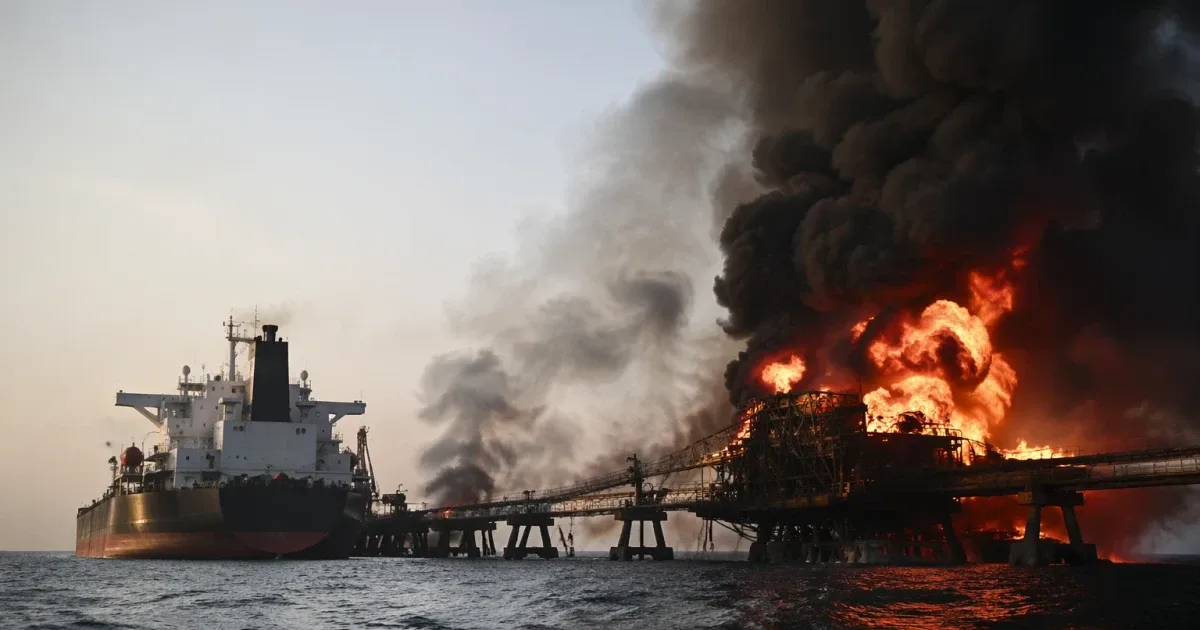
The recent jump in U.S. inflation coincides with increased energy costs tied to tensions involving Iran, a connection underscored by former President Donald Trump. Speaking from the Oval Office, Trump suggested that U.S. military actions targeting Iranian oil shipments during nighttime operations have put upward pressure on oil prices, contributing to the inflation surge. He asserted that inflation would sharply decline once the conflict ends.
Official data from the U.S. Bureau of Labor Statistics confirmed that the Consumer Price Index (CPI) rose by 0.5% in May and showed a 12-month increase of 4.2%, marking the highest annual inflation rate since April 2023. Core CPI, excluding food and energy, increased by 2.9% over the same period. This disparity highlights energy costs—particularly gasoline—as a key driver behind the latest inflation spike rather than a widespread rise in prices across all sectors.

Oil prices have reflected these pressures, with Brent crude trading above $90 per barrel in early June, roughly one-third higher than a year ago. The elevated price signals the broader economic impact of the conflict in the Middle East, with energy expenses permeating travel, shipping, groceries, and other everyday purchases. Economic experts note that while inflation’s core components remain steadier, households and businesses feel the pinch from fuel price increases.
Trump’s claims about U.S. forces disabling “millions” of barrels of Iranian oil through nighttime operations remain unclear, particularly regarding the exact meaning of “taking out” oil shipments and how directly these military actions translate into consumer price changes. Analysts emphasize that oil market volatility often reflects multiple factors, including geopolitical risk, supply chain disruptions, and global demand.
As the inflation outlook grows more critical in the approaching midterm election season, policymakers face a challenge. The Federal Reserve’s efforts to control inflation hinge in part on easing energy prices. Until then, the continued rise in oil and gas costs is expected to sustain inflationary pressures, keeping everyday expenses higher for millions of Americans.