

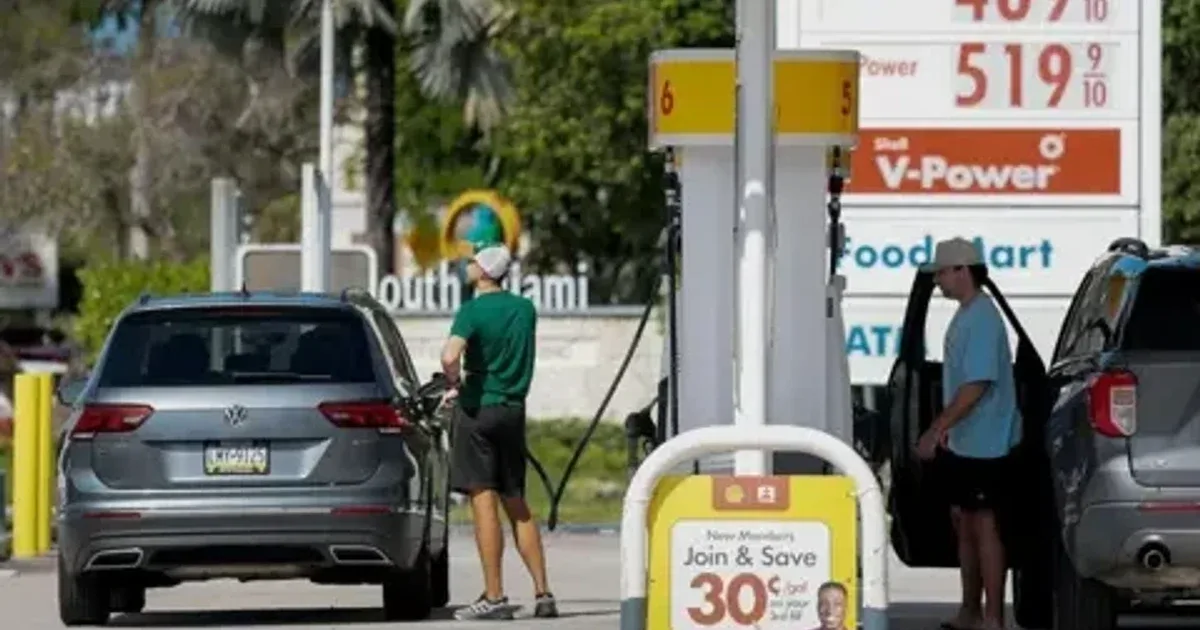
U.S. consumer prices surged in May at the quickest annual rate since April 2023, propelled mainly by rising energy costs. The Consumer Price Index (CPI) climbed 0.5% from April and recorded a 4.2% increase compared to the previous year. Energy prices jumped 3.9%, accounting for more than 60% of the monthly inflation rise, while shelter costs edged up 0.3%, sustaining inflation pressures on household budgets.
The inflation spike has reignited debate over the economic impact of geopolitical tensions, particularly in the Middle East. Former President Donald Trump framed the inflation numbers as a sign of economic strength rather than weakness. Speaking from the Oval Office, he expressed optimism that inflation would fall sharply once conflicts involving Iran eased, linking soaring energy prices directly to disruptions in oil and shipping routes caused by the war. Trump also disclosed he authorized a covert operation to move oil tankers through the Strait of Hormuz, highlighting the administration’s balancing act between controlling inflation and managing international security risks.

These developments arrive as the Republican Party faces mounting voter concern over the rising cost of living ahead of the 2026 midterm elections. Polls indicate public dissatisfaction with Trump’s handling of economic issues, suggesting official optimism may contrast with broader voter sentiment. Meanwhile, economists and Federal Reserve analysts note that persistent inflation driven by energy and housing could influence monetary policy decisions, potentially leading the Fed to maintain or even increase interest rates to curb price pressures.
For American families, the immediate burden remains tangible, with fuel costs driving monthly price increases and shelter expenses continuing to climb, delaying any significant easing of inflationary pressures. The energy sector’s volatility underscores the broader vulnerabilities in inflation tied to global events and domestic housing market trends.