

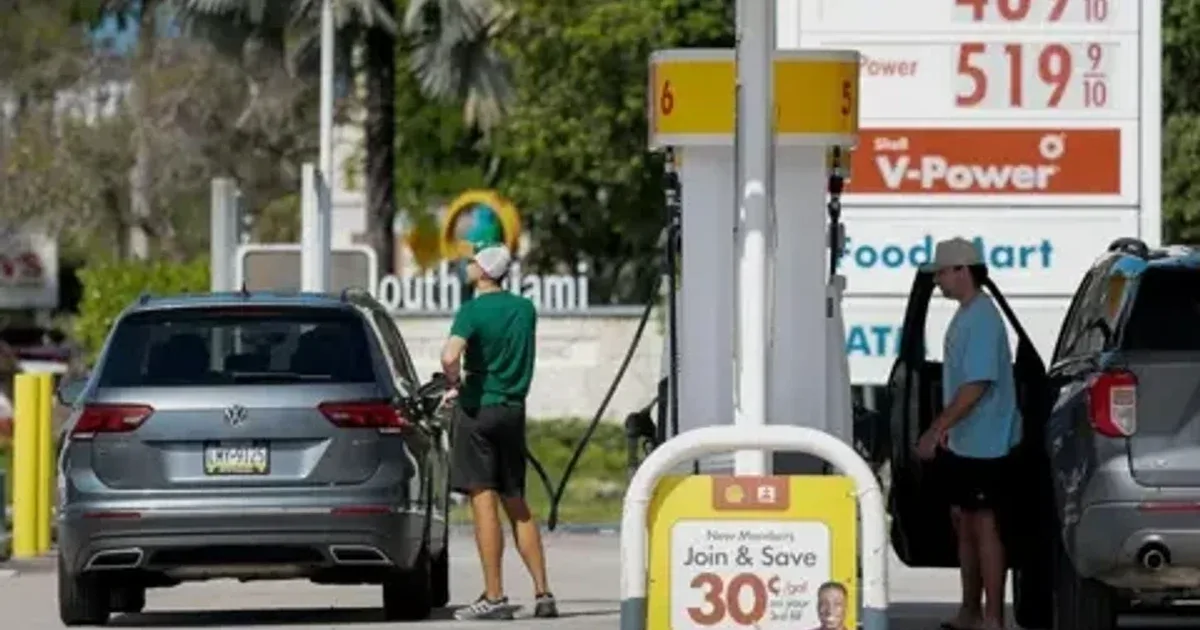
US inflation accelerated to its fastest pace in three years as surging energy prices linked to the conflict involving Iran drove up consumer costs. Gasoline and utility bills have spiked, stretching household budgets amid continued increases in borrowing expenses. The Consumer Price Index (CPI) rose substantially last month, reflecting a sharp rise in energy prices that accounted for over 60 percent of the monthly increase.
The annual inflation rate climbed well beyond the Federal Reserve’s target, with energy costs jumping nearly 4 percent in a single month. This surge is notably impacting everyday expenses such as transportation, manufacturing, and distribution, as energy prices ripple through multiple sectors of the economy. Meanwhile, core inflation, which excludes volatile food and energy prices, also increased by close to 3 percent year over year, signaling persistent underlying inflationary pressure.

The ongoing conflict in Iran has become a key driver behind escalating oil prices. Experts warn that supply disruptions along critical routes like the Strait of Hormuz could extend well into the next several years, delaying a return to normal energy market conditions. This prolonged energy shock threatens to keep inflation elevated, forcing households across the US to absorb higher costs for an extended period.
Amid these developments, policymakers at the Federal Reserve face a difficult balancing act. While headline inflation continues to rise, the central bank’s ability to reduce interest rates soon is limited, given that core inflation remains above target. This dynamic complicates efforts to stabilize prices without derailing economic growth.
Political responses to the inflation data have also surfaced, with President Donald Trump downplaying the significance of the report and attributing the price increases directly to the Iran crisis. He suggested that inflation would ease once the conflict ends, framing the situation as a pivotal issue for upcoming elections. However, the link between the conflict and consumer prices underscores the broader challenge facing US leaders as energy shocks translate into economic strain for everyday Americans.