

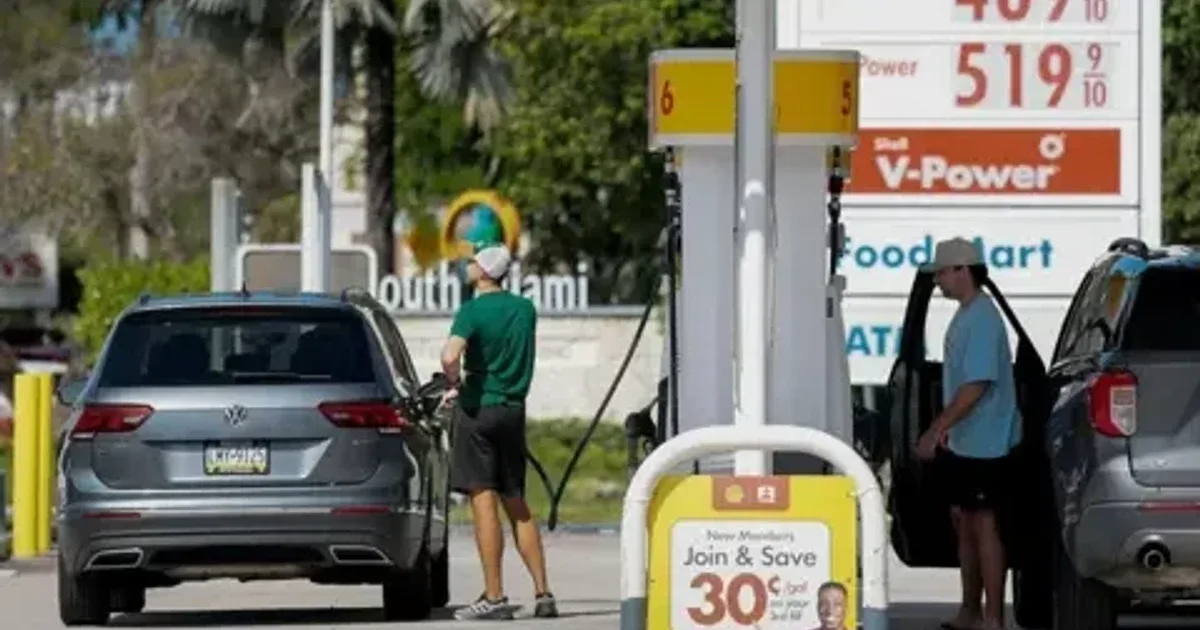
The United States registered a significant rise in inflation as consumer prices increased 4.2% annually, marking the highest rate in three years. This surge owes primarily to a sharp escalation in energy costs, with gasoline prices soaring over 40% compared to the previous year. Energy expenses accounted for more than 60% of the monthly increase in the Consumer Price Index (CPI), underscoring how global events have rapidly translated into rising costs for everyday Americans.
The ongoing conflict in the Middle East has disrupted oil supplies, sending ripple effects through fuel markets and amplifying costs associated with transportation and travel. Alongside gasoline, airfares have also climbed, adding further financial pressure on families already contending with higher grocery and utility bills. The inflation jump from 3.8% in April to 4.2% in May signals a renewed acceleration after a period of easing inflationary pressures.

Core inflation, excluding volatile food and energy prices, rose to 2.9%, reflecting underlying price pressures across other sectors. Consumer expectations for inflation have also edged higher, with surveys showing sentiment worsening over both the short and long term. The University of Michigan’s consumer survey reported a rise in one-year inflation expectations to 4.8% and longer-term outlooks moving up to 3.9%. Notably, these shifts in expectations have been particularly pronounced among independent and Republican voters, indicating a broadening impact of energy-driven price shocks.
The inflation data come as the Federal Reserve prepares for its upcoming policy meeting, heightening scrutiny on potential interest rate decisions. Despite the recent price surge, most economists predict the Fed will maintain its current key interest rate range of 3.50% to 3.75% through 2026, with no rate cuts expected at the immediate meeting. Nonetheless, the persistent energy cost pressures could influence wage demands, spending behavior, and monetary policy outlooks in the months ahead.