Bitcoin Dips Below $63,000 Amid Rising Middle East Tensions and Market Uncertainty
Bitcoin fell below $63,000 as renewed US-Iran conflicts around the Strait of Hormuz sparked fears of prolonged oil supply disruptions and global inflation pressures.
Gold and silver prices declined sharply, pressured by a stronger US dollar and growing expectations of Federal Reserve interest rate increases despite geopolitical tensions.
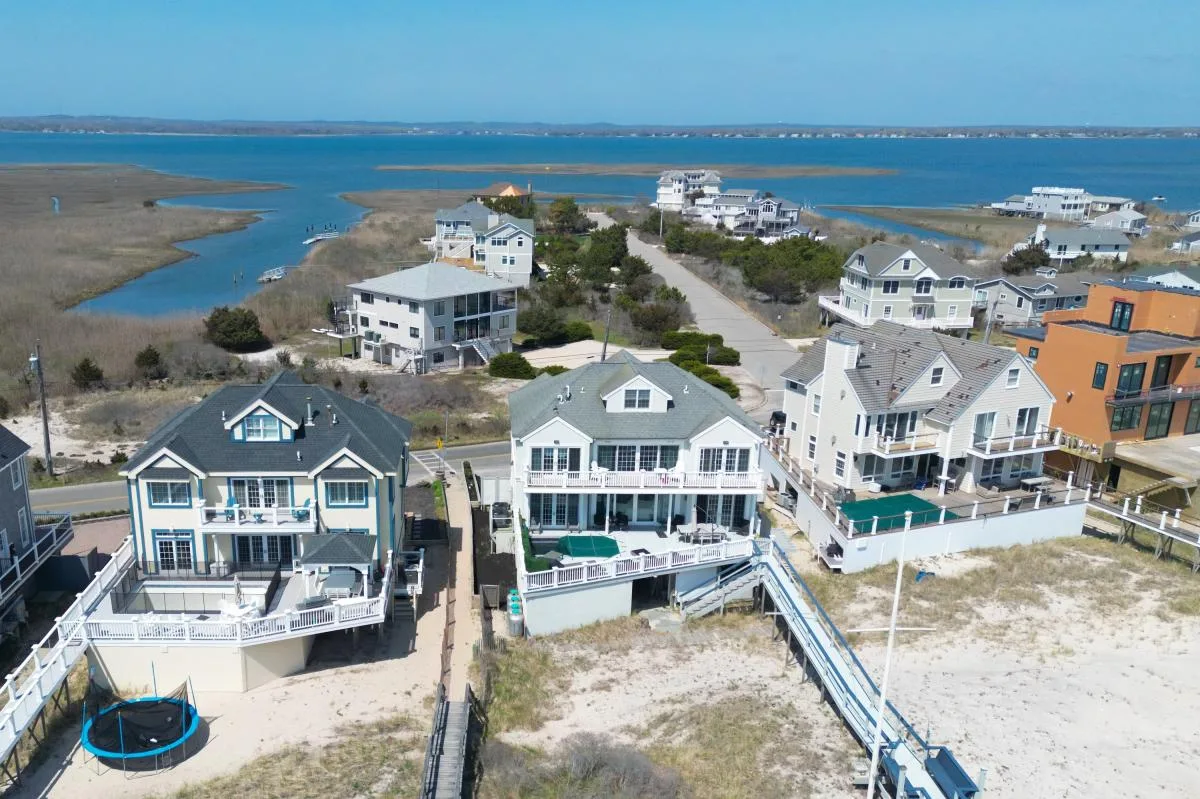
The average home price in the Hamptons has soared to $4.5 million, driven by strong Wall Street bonuses and a persistent shortage of available properties.
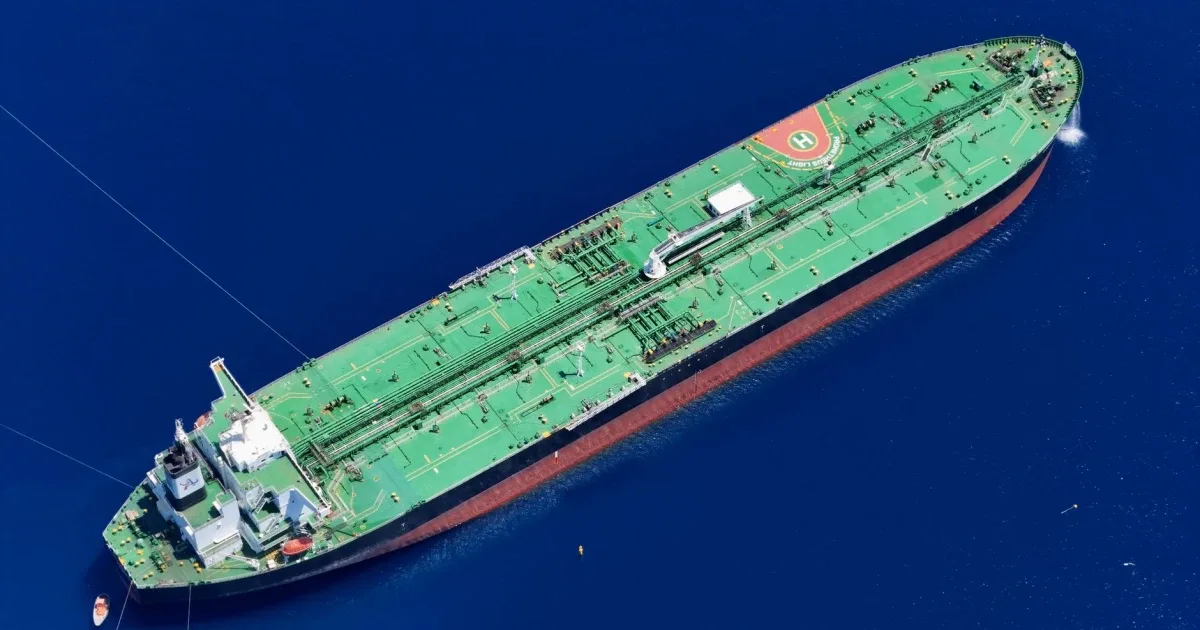
Renewed military clashes between the US and Iran near the Strait of Hormuz pushed oil prices higher and caused US stock futures to drop amid concerns over disrupted energy supplies.
China's faltering job market is driving unemployed workers to repurpose Communist Party community centres as free workspace hubs amid economic slowdown.
Madhya Pradesh leads India in low unemployment, backed by major industrial projects, social welfare schemes, and plans for the Uniform Civil Code, announced by Chief Minister Mohan Yadav.
The Central Bank of Iran released new official exchange rates showing most foreign currencies gaining value against the rial, including the US dollar and euro.
Investor focus will center on corporate earnings, crude oil price changes, and geopolitical tensions in West Asia following a volatile week on the Indian stock markets.
The S&P 500 closed just shy of a new all-time high as investors absorbed escalating tensions with Iran, rising oil prices, and climbing Treasury yields.
Recent research reveals that artificial intelligence is disproportionately pushing employees near retirement out of white-collar roles, increasing unemployment among older workers.
Tajikistan’s government has unveiled a strategic plan to improve investment conditions in industry, focusing on infrastructure, land allocation, and export-oriented growth.
Ukraine’s central bank will release a new 2,000-hryvnia note to ease cash shortages and support transactions amid war-related disruptions and inflation.