Bitcoin Faces Possible Decline Toward $70,000 Amid Rising Inflation Concerns
Bitcoin’s price shows signs of weakening support ahead of the US inflation report, with forecasts of hotter CPI data raising the risk of a drop toward $70,000.



Bitcoin’s price shows signs of weakening support ahead of the US inflation report, with forecasts of hotter CPI data raising the risk of a drop toward $70,000.

Bitcoin surged toward $80,000 as Kevin Warsh prepares to lead the Federal Reserve, signaling steady inflation control but cautious optimism for digital assets.
Robust U.S. employment figures boost expectations of Federal Reserve rate hikes in 2026, yet crypto markets continue to attract capital as an inflation hedge.
Treasury Secretary Scott Bessent and Fed Chair Kevin Warsh, both connected to the Black Wednesday legacy, could reshape U.S. monetary policy with a shared vision on rates and inflation.

U.S. Rep. Pete Stauber highlighted fresh federal funds for Ely’s water infrastructure and new mining legislation that could bring jobs and resource development to the region.
Bitcoin stalled close to $80,000 as spot ETF withdrawals and liquidations raised concerns, while investors eye a new Federal Reserve chair with a pro-crypto stance.


US equity markets hit record levels as stronger-than-expected job growth and solid corporate earnings offset concerns over rising oil prices and conflict in the Strait of Hormuz.

U.S. markets hit record levels as strong employment figures and surging AI semiconductor stocks offset geopolitical uncertainties and inflation concerns.

U.S. equity markets hit record levels as AI-focused technology shares rally alongside robust jobs figures, reinforcing investor confidence in economic stability.

Despite a slowdown in hiring and persistent inflation pressures linked to rising gas prices, U.S. employers added more jobs than economists predicted in April.

Bitcoin oscillated around the $80,000 mark following unexpectedly strong US jobs data, fueling uncertainty about Federal Reserve interest rate moves and market direction.
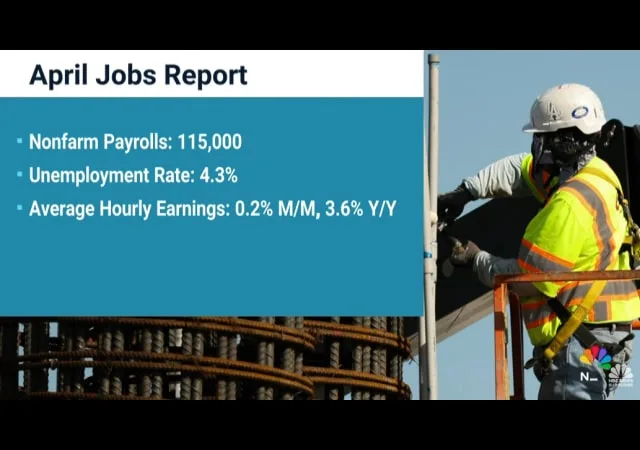
Job growth outpaced expectations as the economy added 115,000 positions in April, while federal employment continued to decline and unemployment steadied at 4.3%.