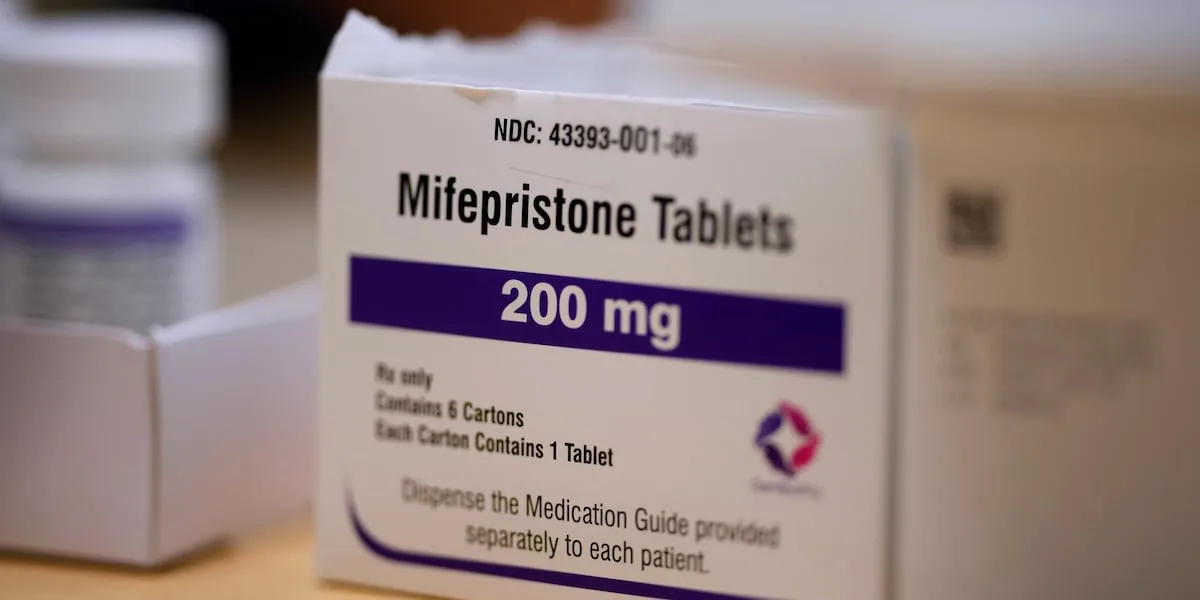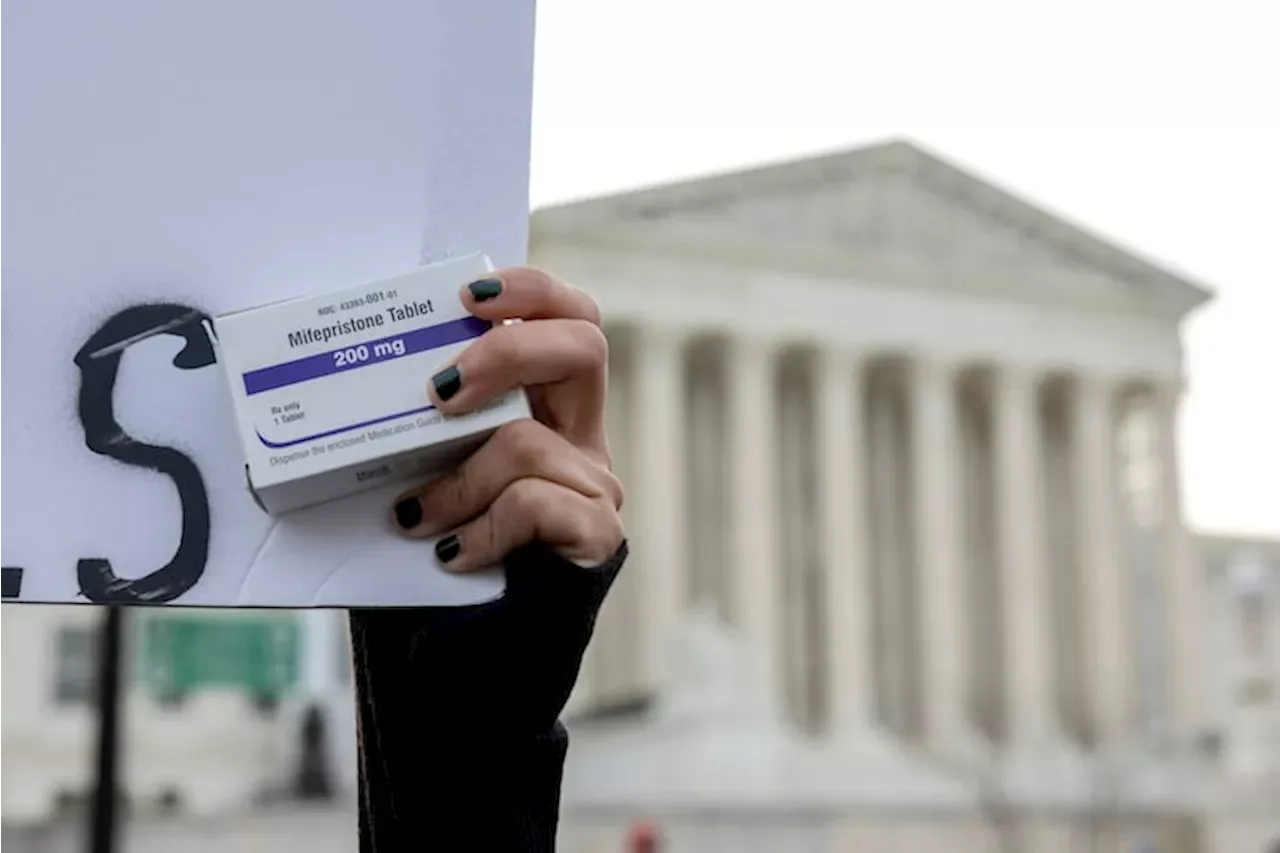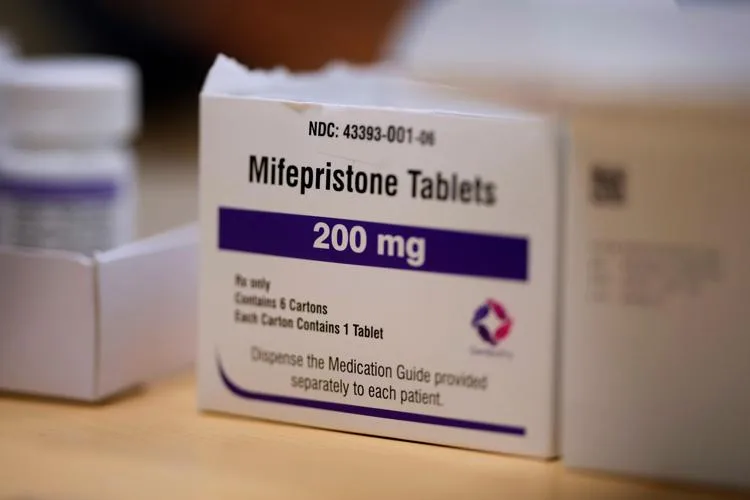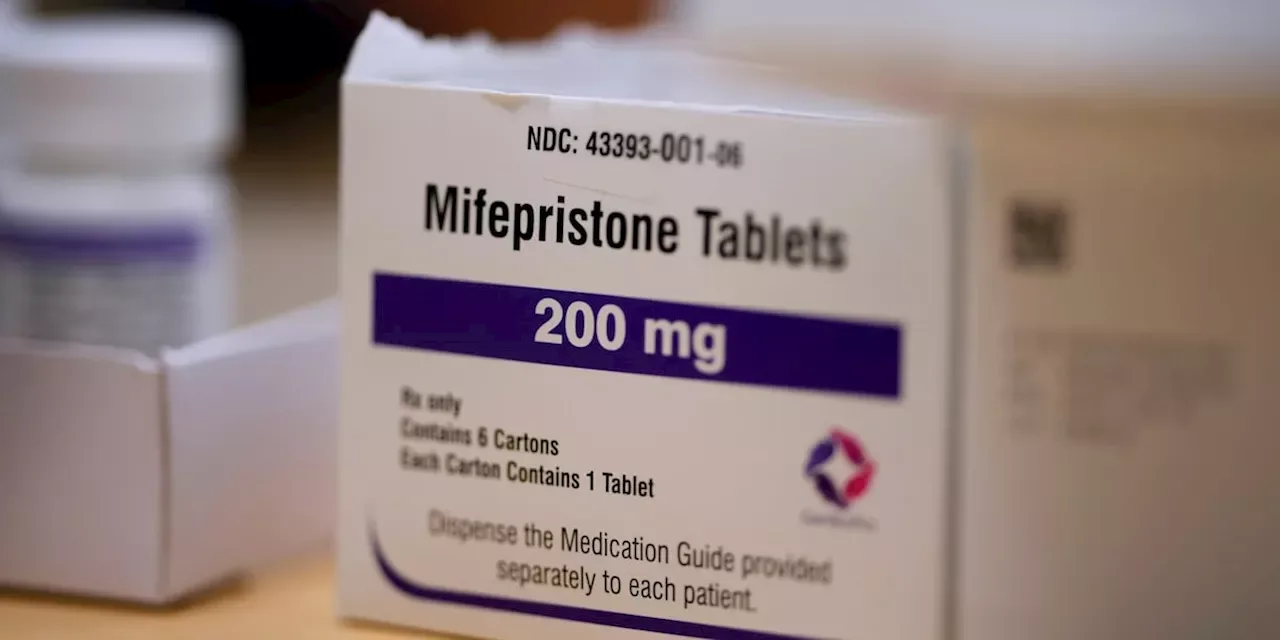
The U.S. Fifth Circuit Court of Appeals in New Orleans has prohibited the mail distribution of mifepristone, the medication used to terminate pregnancies. The ruling requires that the abortion pill be dispensed only through in-person clinic visits, marking a significant shift in how the drug reaches patients across the country and in Oregon specifically.
Oregon will face a direct impact from the decision. Data shows that telehealth abortions averaged 114 per month between April 2023 and March 2024, representing 11% of all abortions performed in the state during that period. Oregon agencies do not maintain comprehensive tracking of mailed mifepristone distribution, but research indicates the reliance on this delivery method has grown substantially.

Mifepristone was first approved by the FDA more than 25 years ago. Initially, the agency imposed restrictive conditions: only physicians could prescribe the medication, and only after an in-person appointment. These requirements were relaxed during the COVID-19 pandemic. After monitoring the drug for two decades and reviewing numerous studies involving thousands of women, the FDA determined that mifepristone was safe to use without direct clinical supervision, clearing the way for mail-based distribution.
Rural communities and low-income populations are expected to bear the heaviest burden from the restriction. Mail-order medication has been instrumental in extending abortion access to patients in states where the procedure is prohibited and to underserved regions within permissive states. Oregon has built its telehealth abortion program around this capability, which proved particularly valuable in rural counties.
According to Oregon Health & Science University, the state's telehealth program doubled clinical visit capacity and substantially expanded service to rural areas. The new appeals court ruling targets the delivery mechanism while leaving Oregon's underlying abortion protections intact. However, patients may now be required to travel to clinics for in-person pickup rather than receiving medication by mail.
The Fifth Circuit ruling is expected to face further legal challenge, with a Supreme Court hearing considered likely.